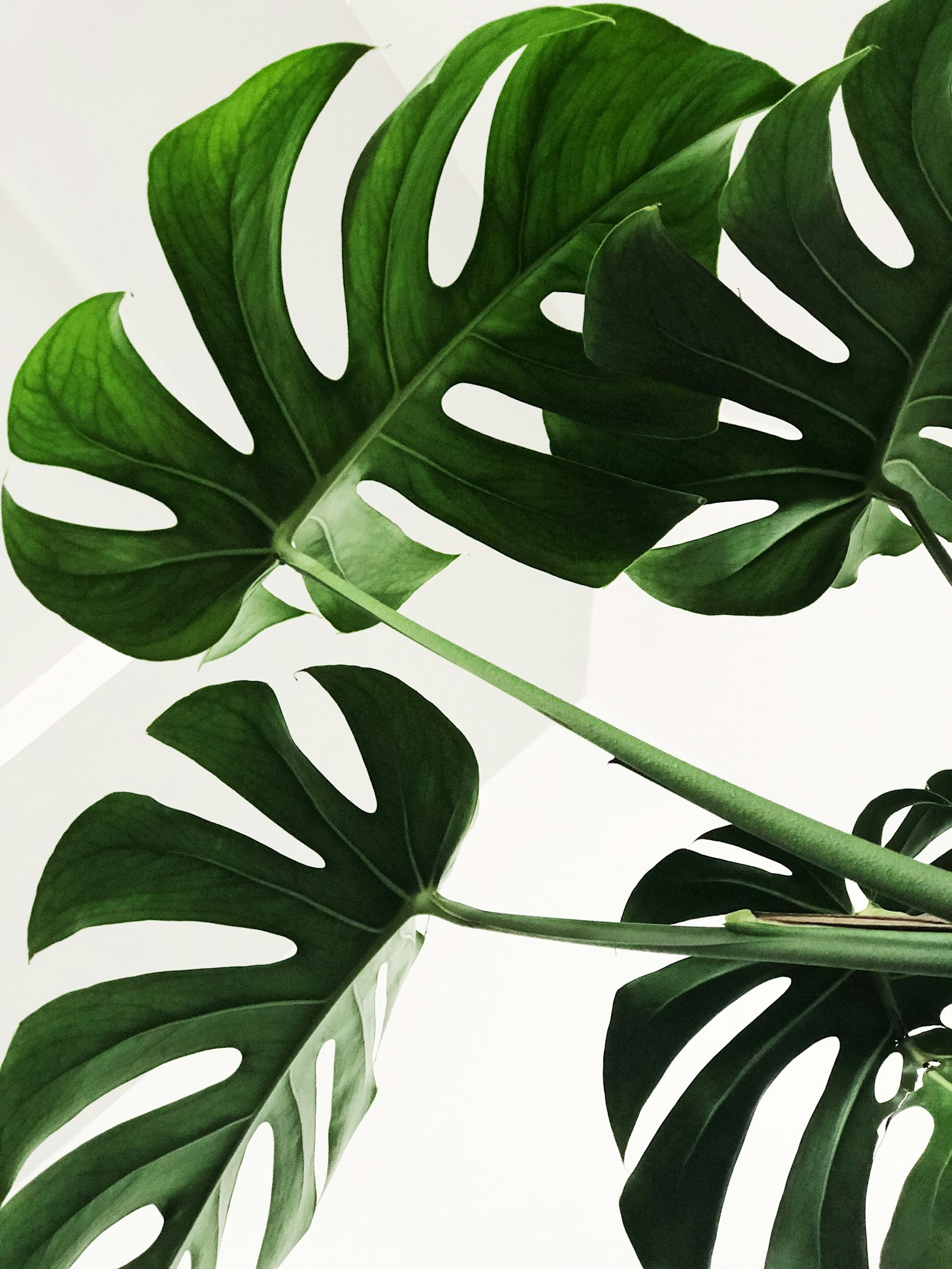
My monstera dropped three leaves in one week and I nearly panicked and repotted it on the spot. Glad I didn’t, actually — turned out the plant was fine, it had just moved from my old apartment’s south-facing window to a much darker spot in the new one, and it was doing exactly what monsteras do when there’s suddenly not enough light to support all that foliage: shedding the leaves it couldn’t afford to keep. If I’d repotted it that week, I’d have stressed it twice over for nothing.
That’s the annoying thing about yellow monstera leaves. It’s one symptom with about five different causes, and three of them need totally different responses (one of which is “do nothing”). Water more and it’s actually a light problem, you’ve made it worse. Water less and it’s actually underwatering, same story. So before you do anything, it’s worth spending two minutes figuring out which one you’ve got.
Quick triage if you don’t want to read the whole thing: one lower, older leaf going yellow on its own, with the rest of the plant looking normal? That’s probably just the plant shedding an old leaf, totally normal, skip down to that section. Several leaves yellowing around the same time, especially with wet or soggy soil? Overwatering. Yellow with crispy brown edges and the soil’s been dry for a while? Underwatering. Read on for how to actually tell these apart, because they look more similar than you’d think from a photo.
Is it just old-leaf shedding?
Start here, because this one requires nothing from you and it’s more common than people think.
Monsteras, like most plants, don’t keep every leaf forever. The oldest leaves — usually the lowest ones on the plant, or the ones closest to the base of the stem — eventually get shed as the plant puts energy into newer growth instead. It’s completely normal and it happens one leaf at a time, not all at once. The leaf will usually yellow evenly, sometimes starting from the edges, and it comes off pretty easily once it’s ready, without much resistance.
The way to tell this apart from an actual problem: it’s isolated. One leaf, maybe two if you’re unlucky, and everything else on the plant still looks green and normal. If you’re seeing three, four, five leaves go yellow around the same time, that’s not routine leaf drop anymore, that’s the plant telling you something’s off, and you should keep reading.
[PHOTO: a single lower leaf yellowing on an otherwise healthy-looking monstera, for comparison against the multi-leaf cases below]
Overwatering (the most common actual cause)
This is the one I’d bet on first if I couldn’t see the plant. Overwatering yellows monstera leaves more often than anything else, and it sneaks up on people because the leaves don’t look “sick” right away, they just gradually go from green to yellow to (if it continues) brown and mushy.
What’s happening: monstera roots need oxygen as much as water, and soil that stays wet for days on end suffocates them. Starved of oxygen, the roots start to struggle and eventually rot, and a plant with damaged roots can’t move water and nutrients up to the leaves properly, so the leaves yellow even though there’s plenty of water sitting right there in the pot. I wrote about this whole mechanism in more detail in the root rot piece, if you want the full picture, because advanced overwatering and root rot are really the same problem at different stages.
The tells: multiple leaves yellowing at once rather than just one old one, soil that’s wet or damp well below the surface, a pot that maybe doesn’t drain as well as it should, and sometimes a slightly sour smell from the soil if things have gone far enough. Yellow leaves that feel soft rather than crispy are also a decent sign it’s water-related rather than light or nutrients.
If this sounds like your plant: stop watering and let the soil dry out properly before the next watering — stick a finger two inches in, and if it’s still damp, wait. Check the pot actually has drainage; if water’s pooling and sitting at the bottom, that alone will keep this cycle going no matter how careful you are otherwise. And if you pull the plant and the roots are dark, mushy, or smell off, that’s root rot at that point, not just “overwatering,” and it needs the trimming-and-repotting treatment rather than just a lighter watering hand.
Underwatering
Less common than overwatering with monsteras specifically, in my experience, but it happens, especially if you’ve got one in a smaller pot that dries out fast, or you’ve been traveling.
Underwatered yellowing tends to look a bit different up close: the yellow often comes with crispy, dry, brown edges rather than the soft uniform yellow you get from overwatering, and the leaves may look a little limp or droopy before they yellow rather than after. The soil, obviously, will be bone dry, not just at the surface but down deep too.
The fix here is genuinely just “water it,” but water it properly — a thorough soak until water runs out the drainage holes, not a splash on top that wets the first inch of soil and nothing else. Monsteras like their soil to dry out between waterings but not to the point of the whole root ball drying out completely and staying that way for a week.
Not enough light
This was my situation with the apartment move, and it’s more common than people expect, especially with monsteras that got moved from a bright spot to a dimmer one, or that are just naturally in a low-light corner of a room.
When a plant isn’t getting enough light to support the leaves it has, it’ll often sacrifice the older or lower leaves — yellowing and eventually dropping them — to conserve energy for whatever new growth it can manage. It’s a survival strategy, not a crisis, but if the light stays too low indefinitely the plant will keep shedding and just slowly decline rather than grow.
This one’s easiest to identify by process of elimination: the soil moisture is fine, you haven’t changed your watering, and the yellowing tends to be gradual and spread across older leaves rather than sudden. If you’ve recently moved the plant, changed the season (hello, shorter winter days), or it’s just always been in a dim spot and you’re only now noticing the yellowing, light is a reasonable first guess.
Move it closer to a window, ideally bright indirect light rather than direct sun, which monstera leaves can actually scorch under. If there’s genuinely no better spot, a basic grow light on a timer is a cheap fix and honestly one I ended up using in that darker apartment, because rearranging the whole living room wasn’t happening.
Nutrient deficiency
The least common of the bunch for most home growers, but worth ruling out if you’ve had the plant a long time in the same soil without ever feeding it.
This usually shows up differently than the others: yellowing that starts on newer leaves, sometimes in a pattern where the veins stay green and the tissue between them yellows (that’s usually an iron or magnesium thing), rather than whole older leaves going uniformly yellow. It tends to show up on plants that have been in the same pot and soil for a year or more without any fertilizer, since potting soil’s nutrients do eventually get used up or wash out with watering.
A balanced houseplant fertilizer during the growing season (spring through early fall, roughly) usually sorts this out over the following few weeks. I wouldn’t reach for this as your first guess, though — check watering and light first, since those are far more likely.
A few things people ask
Should I cut off the yellow leaves? If it’s a fully yellow leaf, yes, you can remove it, it’s not coming back green and it’s not doing much for the plant at that point. If it’s only partly yellow, I’d usually leave it a bit longer since it’s still photosynthesizing some, unless it’s clearly dying anyway.
Can a leaf go from yellow back to green? Not really, no. Once a section of leaf tissue yellows it typically stays that way or progresses to brown. What you’re aiming for isn’t reversing that particular leaf, it’s stopping the cause so the next leaves that grow in stay green.
Is one yellow leaf a big deal? Honestly, no. Go back to the top of this page — one older leaf on its own, with the rest of the plant looking fine, is usually just normal aging. Save the worry for when you’re seeing several at once.
How fast should I expect to see improvement once I fix the cause? Slower than you’d like, usually. Existing yellow leaves won’t recover, but you should start seeing healthy new growth within a few weeks if the underlying issue (watering, light, whatever it was) is actually sorted out. Give it a full growing season before judging whether it worked.