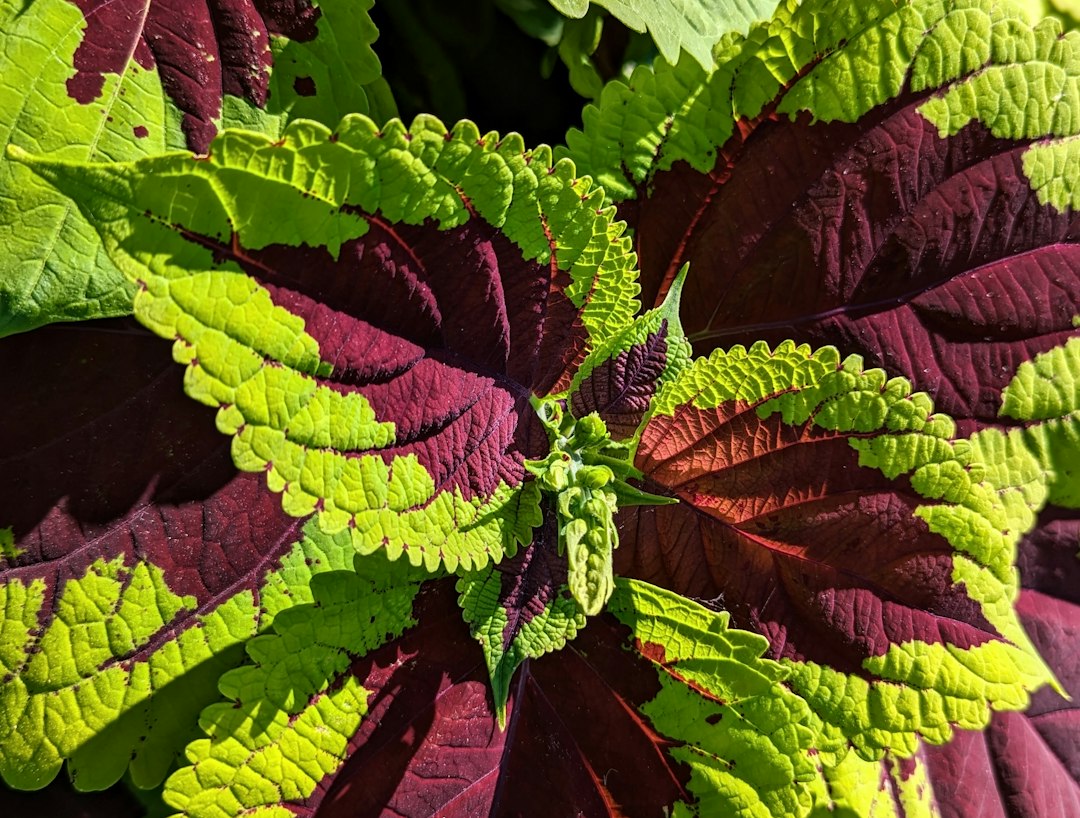
Coleus are grown for their leaves rather than their flowers, and few houseplants offer so much color for so little money. They are also thirsty, light-hungry, and quick to sulk in the cold, so most problems come from treating them like a tough, forgiving foliage plant.
This guide covers coleus (Plectranthus scutellarioides, long sold as Coleus) in the order that affects results most. If leaves are already dropping or flopping, why coleus leaves drop and wilt goes deeper.
Light
Bright light brings out the strongest colors. Many varieties handle some direct sun, while others scorch or fade in harsh afternoon sun, so a bright window or a spot outdoors with morning sun is a good starting point. In low light coleus lose their patterns and grow tall and thin. If no bright window is available, see grow lights for houseplants.
Watering
Keep the soil lightly moist but never soggy. Coleus wilt quickly when dry, which is a useful signal, but repeated wilting stresses the plant. Water thoroughly, let excess drain away, and water less in winter when growth slows. The guide to overwatering and underwatering is useful when the signs are confusing.
Soil and potting
Use a light, well-draining potting mix and a pot with drainage holes. Coleus grow quickly and fill a pot fast, so repot into the next size up when roots circle the container or water runs straight through.
Humidity and temperature
Average household humidity is fine. Warmth matters more: coleus are tender and should be kept away from cold windows, drafts, and frost. Potted plants moved outdoors for summer need to come back inside before nights turn cool.
Fertilizing
Feed lightly during the growing season with a balanced fertilizer, following the label directions. Too much feed can push soft growth that is more prone to pests, and feeding can stop in winter.
Pinching and propagation
Pinching the growing tips encourages a fuller, bushier plant, and removing flower spikes keeps energy going to the leaves. Coleus root very easily from stem cuttings: take a healthy tip, remove the lower leaves, and set it in water or light, moist mix in a bright spot.
The leaves: what makes this plant different
Most houseplants are known for one leaf color, but coleus come in a huge range of patterns, from deep burgundy with lime edges to pink, orange, and chartreuse. That color depends on light and variety, so a plant that fades indoors may simply need more light. Because the plants root so readily from cuttings, one plant can become several, and a leggy plant can be reset by cutting it back.
Common problems
Wilting, dropping leaves, and leggy growth are the most common complaints. See why coleus leaves drop and wilt for a step-by-step check.
A few things people ask
Do coleus come back every year?
Coleus are tender perennials. They survive warm conditions, but cold ends them, so many gardeners take cuttings in autumn to carry the plant through winter indoors.
Why is a coleus losing its color?
The most common reason is too little light. Move it somewhere brighter.
Should coleus be allowed to flower?
The flowers are modest and are usually pinched off so the plant stays full and leafy.
Are coleus safe around pets?
The ASPCA lists coleus as toxic to dogs, cats, and horses. See the ASPCA coleus page.