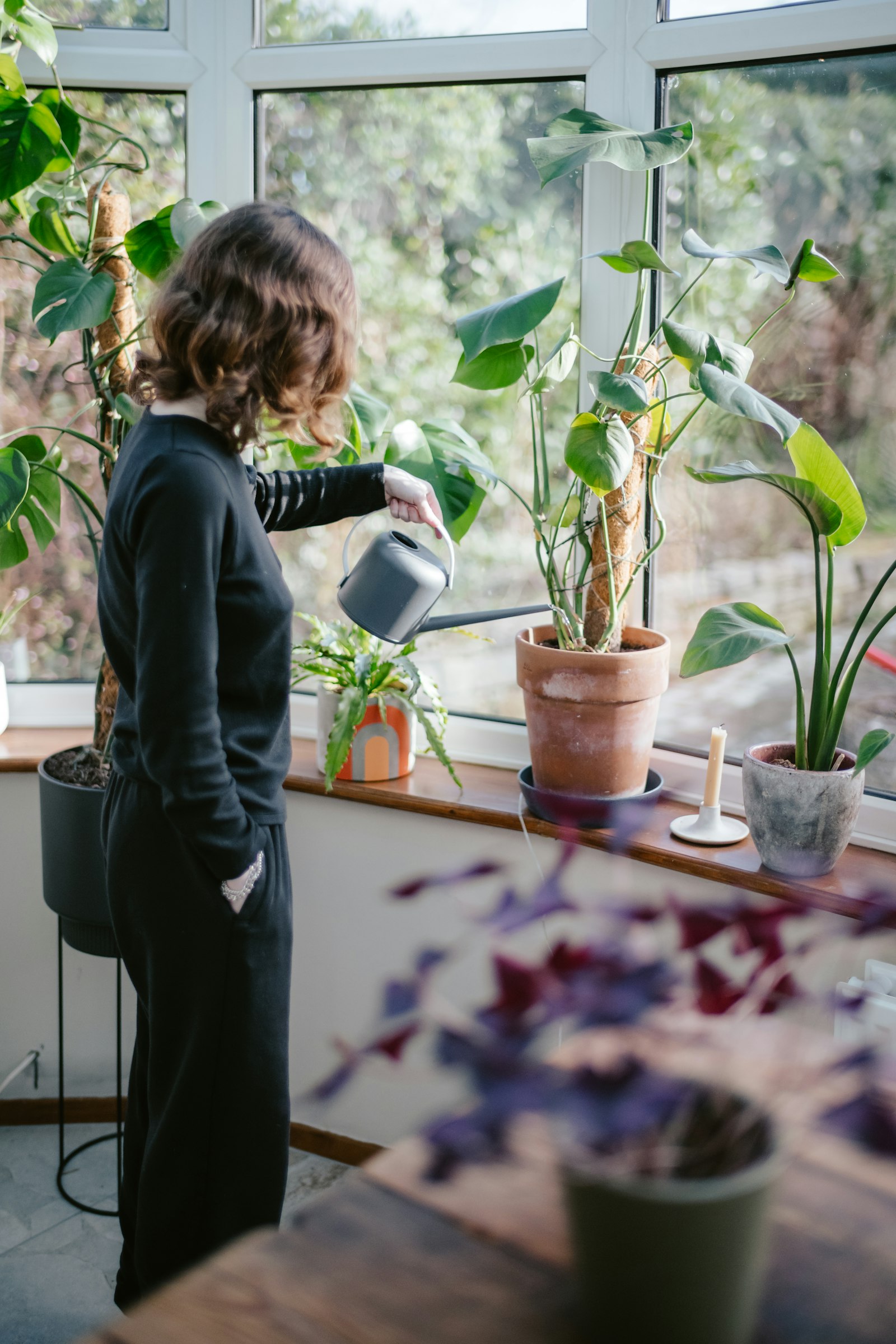
A drooping peace lily is the classic trap. Drooping looks like thirst, so the instinct is to reach for the watering can — but if the soil is already soaked through, that makes things worse. Reading the whole situation backwards is easy to do when a plant looks sad, which is why the soil check below comes before anything else.
That mix-up is incredibly common, and honestly kind of unavoidable if you’re going purely on how the plant looks. Both overwatering and underwatering can make leaves droop, yellow, and go limp in ways that look almost identical from across the room. The plant isn’t going to tell you which one it is. You have to actually check.
Here’s the short version if you’re standing over a droopy plant right now: stick a finger about two inches into the soil. Bone dry down there? Underwatered — go water it, thoroughly, right now. Still damp or wet? Overwatered — put the watering can down and don’t touch it for at least several days. That one test resolves this more often than not. Everything below is for when you want to be more sure, or the finger test doesn’t quite settle it.
Why they look so similar
It comes down to what’s actually happening at the root level, which you can’t see just by looking at the leaves.
An underwatered plant has roots sitting in dry soil with nothing to absorb, so the plant can’t keep its leaves hydrated and they wilt to conserve what little water is left inside them. An overwatered plant, especially one that’s been overwatered for a while, has roots sitting in soil so saturated that they’re not getting enough oxygen, which damages the roots — and damaged roots also can’t move water up to the leaves properly. So in both cases you end up looking at a wilted, sad plant, even though one has too little water and the other, in a strange way, is dying of thirst surrounded by water it can’t use. It’s the same visible result from two opposite causes, which is exactly why the leaves alone won’t tell you.
The soil test (do this first)
The soil test comes up earlier on this page, but it’s worth spelling out properly, because people rush it. Push a finger straight down into the soil, past the top layer, about to your second knuckle if you can manage it. The very top inch of soil dries out fast regardless of what’s going on underneath, so checking only the surface is how people get fooled.
Dry all the way down: underwatered.
Damp, wet, or the soil is clinging to your finger: overwatered.
If you want to be extra sure, lift the pot. A plant that’s been dry for a while feels noticeably lighter than one sitting in wet soil — this becomes obvious once you’ve felt the difference a couple of times, but it’s a nice backup check if the finger test feels ambiguous.
| Sign | Underwatered | Overwatered |
|---|---|---|
| Soil test (2 inches down) | Bone dry | Damp or wet |
| Pot weight | Noticeably light | Noticeably heavy |
| Leaf texture | Crispy, dry, papery | Soft, mushy |
| Yellowing pattern | Gradual, whole plant looks tired | Clustered, several leaves at once |
| Stem near soil line | Normal | Can feel soft in bad cases |
Leaf and stem differences
Assuming you still want more evidence, or you’re trying to figure out what already happened to a plant you just got, there are some differences worth knowing, even if they overlap more than anyone would like.
Underwatered leaves tend to go crispy and dry at the edges or tips first, sometimes curling inward, and they can feel thin or papery to the touch. The wilting usually comes on gradually and the whole plant looks generally tired rather than any one part looking distinctly bad.
Overwatered leaves usually go soft and mushy rather than crispy, and yellowing tends to show up in a cluster — several leaves at once, often lower or older ones — rather than one leaf at a time the way normal aging works. The stem can also feel soft near the soil line in bad cases, which is a sign things have gone further than simple overwatering into root rot territory. If you’re seeing that, the root rot piece covers what to actually do about it, since at that point the fix is different from just cutting back on water.

When the soil test isn’t enough
Sometimes the soil test comes back ambiguous, usually because the pot has bad drainage and the top of the soil has dried out while water is still sitting at the bottom where your finger doesn’t reach. If something feels off after checking the soil, it’s worth unpotting the plant and looking at the roots directly. Healthy roots are pale and firm. Roots that are dark, mushy, or slide apart easily mean you’re dealing with overwatering that’s gone on long enough to cause damage, not a quick fix with less water going forward.
This is also a good moment to actually check the pot itself. A pot with no drainage hole is the single most common reason people end up chronically overwatering without meaning to — water has nowhere to go, so it just sits at the bottom no matter how careful you are about how much you pour in.
Fixing whichever one it is
If it’s underwatered, water it thoroughly — enough that water runs out the drainage holes, not a token splash on top — and get on a schedule of actually checking the soil before each future watering instead of watering on a fixed calendar day. Most underwatering fixes itself within days once the plant is back on a reasonable schedule.
If it’s overwatered, stop watering and let the soil dry out properly before you water again, which might mean waiting a week or two longer than feels comfortable. Check that the pot drains, and empty any saucer sitting underneath it, since standing water there will undo everything else you’re doing right. If the roots turned out to be mushy when you checked them, that’s root rot, and it needs trimming and repotting rather than just a lighter hand with the watering can going forward.
A few things people ask
Can I just water it a little and see what happens? Better to avoid it. A little more water on an already-overwatered plant makes things worse, and a little water on a severely underwatered one usually isn’t enough to reach the driest parts of the root ball anyway. Do the soil check first; it takes ten seconds and saves you a guessing game.
My plant is drooping but the soil is only a little damp, not soaked. What now? That’s usually a plant on its way to drying out, not an overwatering situation. Wait a day or two and check again before watering — soil that’s “a little damp” can go bone dry surprisingly fast depending on the pot and the season.
Why does my plant keep doing this even though I water on a schedule? That’s actually the root of a lot of overwatering, ironically. Fixed schedules ignore how much the soil’s actual drying time changes with the seasons, the size of the pot, and how much light the plant is getting. Checking the soil before each watering, instead of watering by the calendar, is the single biggest habit change that stops this cycle for good.
Is one worse than the other long-term? Underwatering is generally easier to bounce back from since it doesn’t damage the roots directly the way prolonged overwatering does. That said, a plant that’s been severely dry for a long stretch can still lose roots too, so “easier to fix” doesn’t mean it’s fine to ignore either one. Next reads: Why Is My Plant Leggy? What’s Actually Happening and How to Fix It, Why Is Your Plant Drooping? (When You’ve Already Ruled Out Water) and Why Do My Pothos Cuttings Rot in Water?.