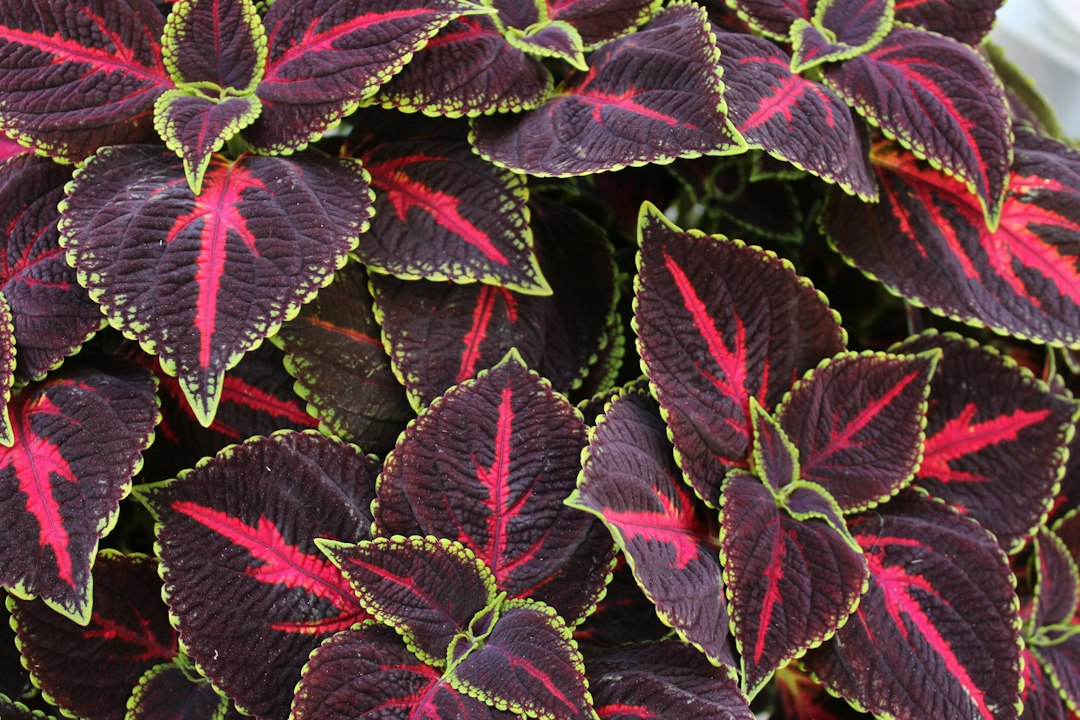
If your coleus has dropped leaves or flopped over, the usual first reaction is to soak it. Sometimes that is right, because coleus are thirsty plants that wilt dramatically when dry. But the same droop can come from soggy roots, cold, or too little light, and extra water in those cases makes things worse.
This page walks through the usual causes in the order worth checking. For the full routine, see the coleus care guide.
Quick triage
Is the soil dry and the pot light, with leaves limp but still soft?
Suspect thirst. Coleus often perk up within hours of a good drink.
Is the soil wet and the plant still wilting?
Suspect overwatering or poor drainage.
Are the stems stretched, with small, faded leaves and few colors?
Suspect weak light.
Did the plant sit near a cold window, a draft, or outdoors on a chilly night?
Suspect cold damage. Coleus are tender and dislike chill.
Thirst
Coleus have soft, leafy stems and large leaves that lose water quickly, especially in bright light or a small pot. When the soil dries out the whole plant collapses, which looks alarming but is often reversible. Water thoroughly until it drains from the bottom, then empty the saucer. If the plant is wilting again within a day or two, it may have outgrown its pot.
Overwatering and heavy soil
Constantly wet soil starves the roots of air. Leaves yellow, drop, and the stem base can turn soft or dark. Let the top of the soil dry slightly between waterings and use a pot with drainage holes and a light potting mix. If the roots are already brown and mushy, the page on root rot explains what to do next, and overwatering and underwatering helps tell the two apart.
Not enough light
Coleus grow best in bright light, and in dim spots they stretch, lose their strong color, and shed lower leaves. Move the plant to a brighter window or add a lamp. The guide to grow lights for houseplants can help in dark winters, and leggy plants explains the stretching.
Cold and drafts
Coleus come from warm tropical regions and are easily damaged by cold. Leaves can blacken, curl, or drop after a night near cold window glass or an outdoor evening that turns chilly. Keep the plant away from drafts and bring potted plants inside well before cool nights arrive.
Pests
Mealybugs, whiteflies, and spider mites commonly settle on coleus, especially indoors. Check the undersides of leaves and the points where leaves meet the stem. Sticky residue, cottony clumps, or fine webbing point to pests. Rinse the plant, wipe affected areas, and repeat the treatment, keeping the plant isolated until it is clean.
A few things people ask
Is it normal for coleus to drop leaves in autumn?
Some shedding is common when light and temperatures fall. It becomes a concern when many leaves drop at once or stems turn soft.
Should flower spikes be removed?
Many growers pinch off the flower spikes, since flowering tends to slow leaf growth and the plant can become straggly. See the care guide for pinching tips.
Can a wilted coleus recover?
Often yes, if the cause is corrected early. Fix the watering and light first, then allow a few weeks for fresh growth.
Are coleus safe around pets?
The ASPCA lists coleus as toxic to dogs, cats, and horses. See the ASPCA coleus page and keep the plant out of reach.