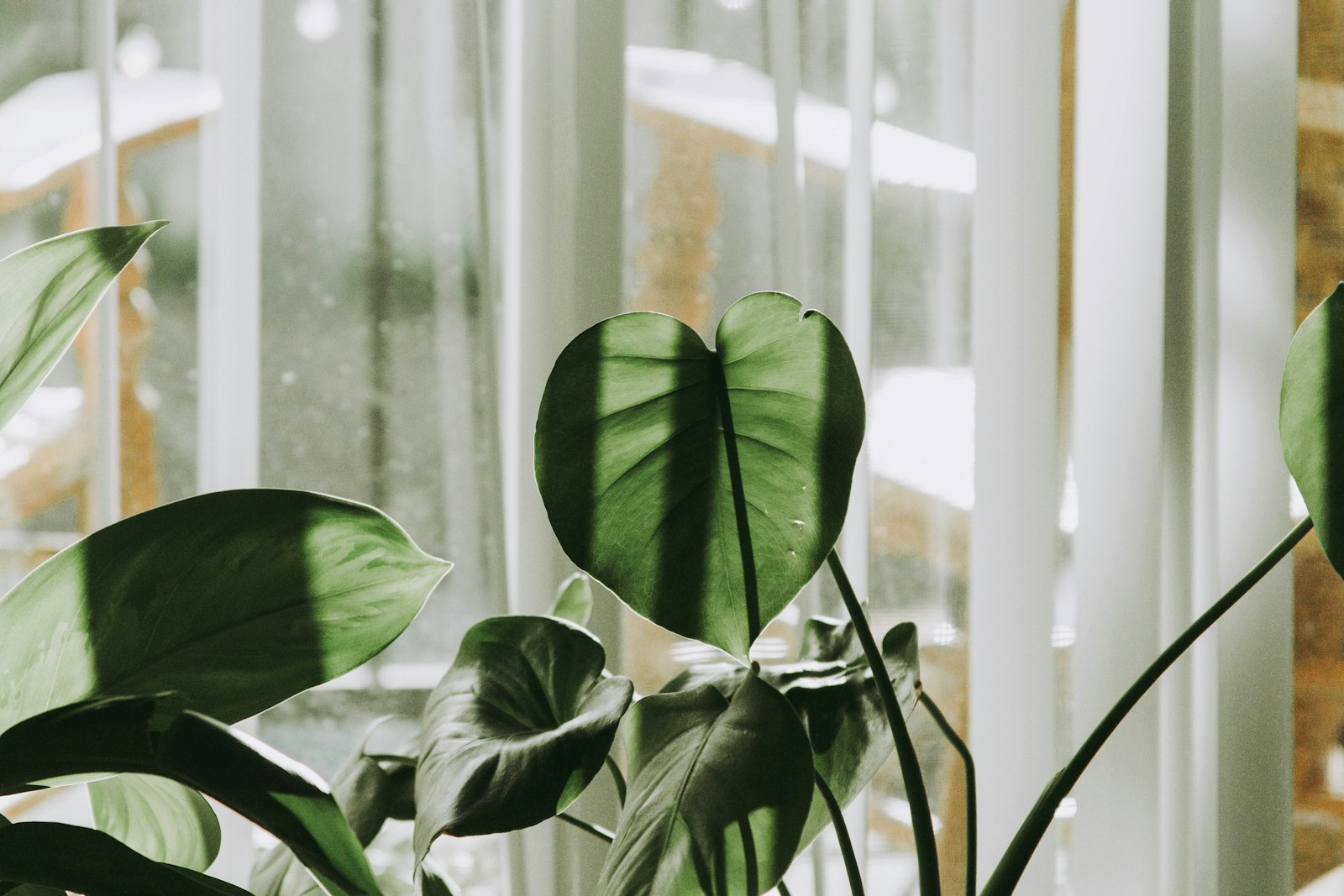
Bring a new pothos home from the nursery, drive twenty minutes with it sitting in the passenger footwell, and by the next morning it can look like someone has let all the air out of it — even when the soil is fine and it was watered before the drive. The first instinct is to water it again anyway, because that’s what you do with a droopy plant, right? Better to leave it alone for a couple of days. The plant usually perks back up on its own: it wasn’t thirsty, it was just having a bad week from being moved.
That’s the thing people miss about drooping. It’s the most generic symptom in the whole houseplant world, and water gets blamed for basically all of it, but plants droop for a bunch of reasons that have nothing to do with how much you’ve been watering.
| What you see | Likely cause |
|---|---|
| Soil too dry or too wet | Over/underwatering (check this first) |
| Drooped right after a move, repot, or rotation | Transplant/adjustment stress |
| Drooped hours after cold exposure (draft, car, window) | Temperature shock |
| Roots circling, visible at drainage holes | Root-bound, needs a bigger pot |
| Gradual drooping over weeks, tiny bugs or webbing | Pests |
| Droops every evening, fine every morning | Normal (nyctinasty), not a problem |
It just got moved or repotted
This is the pothos situation above, and it’s extremely common with any plant that’s recently traveled, been repotted, or even just rotated to face a different direction. Roots get disturbed, even carefully, and the plant responds by drooping for a few days while it re-settles. Nurseries in particular tend to keep plants in near-ideal greenhouse conditions, so a plant going from that environment into your actual living room, with different light and humidity, can sulk for a stretch even if everything you’re doing is right.
The fix here is mostly patience. Don’t repot again, don’t move it again, don’t suddenly change up the watering to compensate. Leave it in a stable spot with decent indirect light and let it adjust, usually somewhere between a few days and two weeks depending on the plant and how big the disturbance was.
Temperature shock or a cold draft
Plants can droop dramatically from a sudden temperature swing, and it’s easy to miss as a cause because the temperature change itself might have been brief. A plant sitting near a drafty window in winter, or one that got left in a cold car for even a short ride home, can droop within hours of the exposure.
This one is easy to miss because the drooping shows up after the fact — the plant looks fine during the cold exposure and then wilts later, so the actual cause is hard to spot if you’re not thinking back over the last day or two. If a plant suddenly droops and you can’t explain it any other way, it’s worth mentally retracing what happened recently: near an open window, by an AC vent, sitting close to cold glass overnight, that kind of thing.
Moving the plant away from the temperature source is really the whole fix. Recovery time varies a lot depending on how severe the exposure was — mild cases bounce back in a day or two, more serious cold damage can take weeks and sometimes leaves permanent marks on the affected leaves.
The plant has outgrown its pot
A plant that’s been root-bound for a while — meaning the roots have filled up all the available space and started circling the inside of the pot — can droop because there’s simply nowhere left for the roots to actually take up water and nutrients properly, regardless of how well you’re watering.
The giveaway is usually roots showing at the drainage holes, or the plant needing water unusually often because the pot is more root than soil at this point. If you unpot it and the whole thing comes out as a dense tangle with barely any visible soil, that’s your answer. The fix is sizing up to a pot one or two inches larger in diameter, not more than that in one jump, since a huge jump in pot size brings its own problems with soil staying wet too long.
Pests
Less common as a first guess, but worth ruling out, especially if the drooping has come on gradually over a couple of weeks rather than suddenly. Spider mites, aphids, and similar pests damage the plant’s ability to move water through its tissue, and drooping can be one of the earlier visible signs before you notice the pests themselves.
Check the undersides of leaves and along stems, ideally with a magnifying glass or your phone’s camera zoomed in, since a lot of common houseplant pests are genuinely tiny. Fine webbing between leaves is a strong spider mite tell. If you find something, that’s a separate problem to deal with directly, and the drooping should ease up once the infestation is under control.
A few plants just do this at night
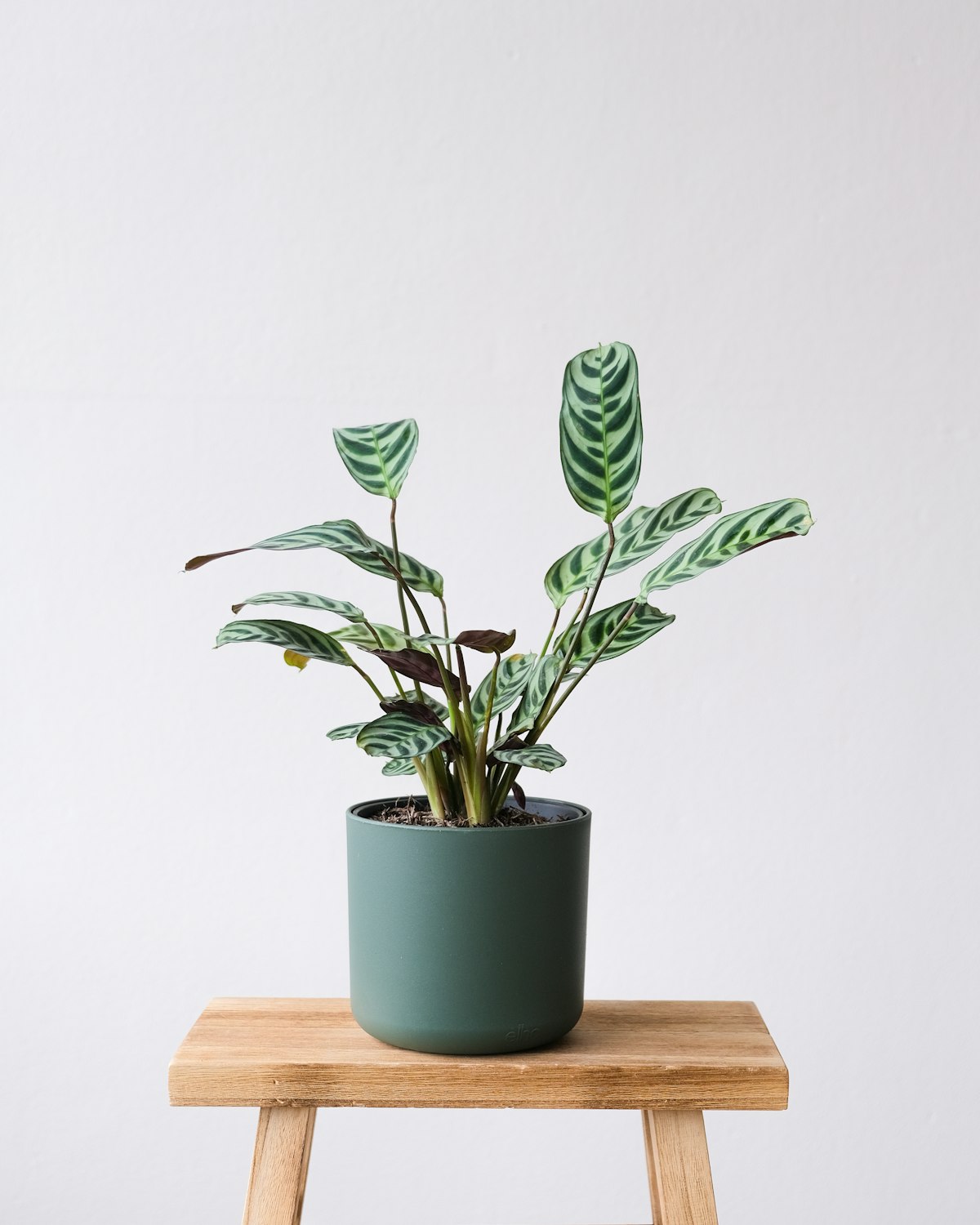
Worth knowing so you don’t panic over nothing: some plants, prayer plants being the classic example, fold or droop their leaves in the evening and perk back up in the morning as part of a completely normal daily rhythm called nyctinasty. If your plant looks droopy every evening and fine every morning, on a repeating cycle, that’s very likely just what it does, not a problem to fix.
A few things people ask
How long is too long for drooping to last before I should worry? For repotting or moving stress, more than two or three weeks without any improvement is worth investigating further. For everything else on this list, if you’ve addressed the actual cause and there’s been zero change after a week, it’s worth reconsidering whether you’ve got the right cause.
Can drooping be permanent, or does the plant always bounce back? Usually it bounces back once the underlying cause is fixed, but severely affected leaves — badly cold-damaged ones especially — sometimes don’t recover even after the plant itself is fine again. Removing those particular leaves once new growth resumes is normal and not a sign of ongoing trouble.
I fixed the cause but it’s still drooping. Now what? Give it more time before assuming you got it wrong; recovery is rarely instant. If it’s genuinely been weeks with the underlying issue clearly resolved and no improvement at all, it’s worth going back through this list again, since more than one of these can be happening at once — a recently repotted plant sitting in a cold draft, for instance, is dealing with two stressors, not one.
Is drooping ever just… nothing? Like the plant is fine? If it’s a plant with a known evening-drooping habit, yes. Outside of that, drooping is always the plant telling you something’s off, even if that something turns out to be minor and short-lived, like a bit of repotting stress. It’s just not always the water-related emergency people assume it is. Next reads: Overwatered or Underwatered? Here’s the Actual Way to Tell, Why Are My Rubber Plant’s Leaves Drooping? and Root Rot in Houseplants: How to Spot It Before It’s Too Late (and Fix It If You’re Already There).