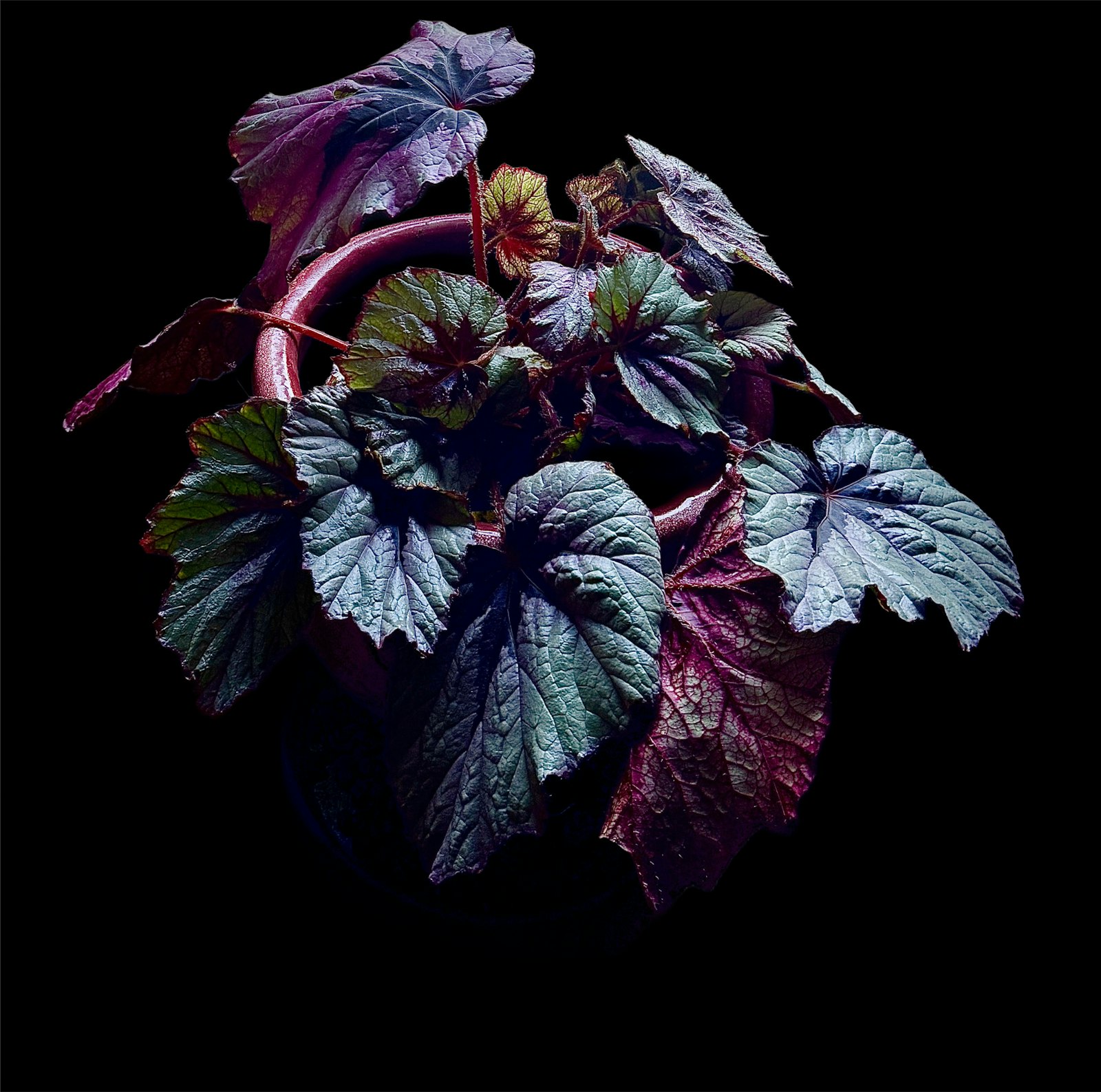
Begonia is the plant that shows the word “begonia” barely means anything on its own. A rex begonia bought in the expectation that it will behave like a cane begonia on a porch is easy to nearly kill by treating the two the same way. This genus is enormous and wildly varied, so the single most useful thing you can do before anything else is figure out which general type you actually have.
Light
Bright, indirect light works well for most begonias, and it’s one of the few traits fairly consistent across the genus. Direct sun, especially through unfiltered afternoon windows, can scorch leaves, while too little light leads to leggy, sparse growth and fewer flowers on the types that bloom. Rex begonias in particular tend to prefer slightly lower light than their flowering cousins.
Watering
Let the top inch of soil dry out between waterings, then water thoroughly, avoiding the leaves themselves as much as possible. Fuzzy or textured leaves, common in rex and rhizomatous varieties, are especially prone to fungal issues like powdery mildew when they stay damp, so watering directly into the soil or bottom watering is worth the extra care. Consistently soggy soil leads to root rot faster than it does in many other houseplants.
If you’re seeing yellowing leaves, working through the specific cause is worth doing separately, since a white powdery coating pointing toward mildew is a much more common explanation with this genus than with most others. If the base feels soft or mushy, root rot is worth checking for.
Soil and potting
A well-draining potting mix, ideally with some added perlite for extra aeration, works well. Make sure the pot has drainage holes. Most begonias grow at a moderate pace and appreciate repotting every year or two as they fill out their container, tuberous types are the exception and are typically repotted only when replanting after their dormant period.
Humidity and temperature
Rex and rhizomatous begonias in particular appreciate higher humidity and can develop crispy leaf edges in dry air, a humidifier, pebble tray, or grouping with other plants helps here, and this is part of why rex begonias do especially well in terrariums or enclosed cases. Cane and wax types are somewhat more tolerant of average household humidity. Normal indoor temperatures work well across the genus, and cold drafts should be avoided.
Fertilizing
A balanced liquid fertilizer, diluted to about half strength, every few weeks during spring and summer supports healthy growth and, on flowering types, better blooms. Reduce or stop fertilizing in fall and winter, especially for tuberous varieties heading into dormancy.
Propagation
Rex and rhizomatous begonias can be propagated in an unusual way compared to most houseplants in this guide series: lay a healthy leaf flat on moist soil or a growing medium, make small cuts across the main veins on the underside, and weigh the leaf down slightly so those cut points stay in contact with the medium. Iowa State Extension notes this leaf vein cutting method works well for begonia specifically, and new plantlets will eventually sprout directly from the cut veins. Cane and wax types propagate more conventionally, from stem cuttings placed in water or soil.
Common varieties
The four broad types differ enormously in appearance and care needs:
| Type | Appearance | Notes |
|---|---|---|
| Rex | Dramatic, colorful foliage in silver, pink, or purple swirls | Grown for foliage, not flowers; most humidity-demanding |
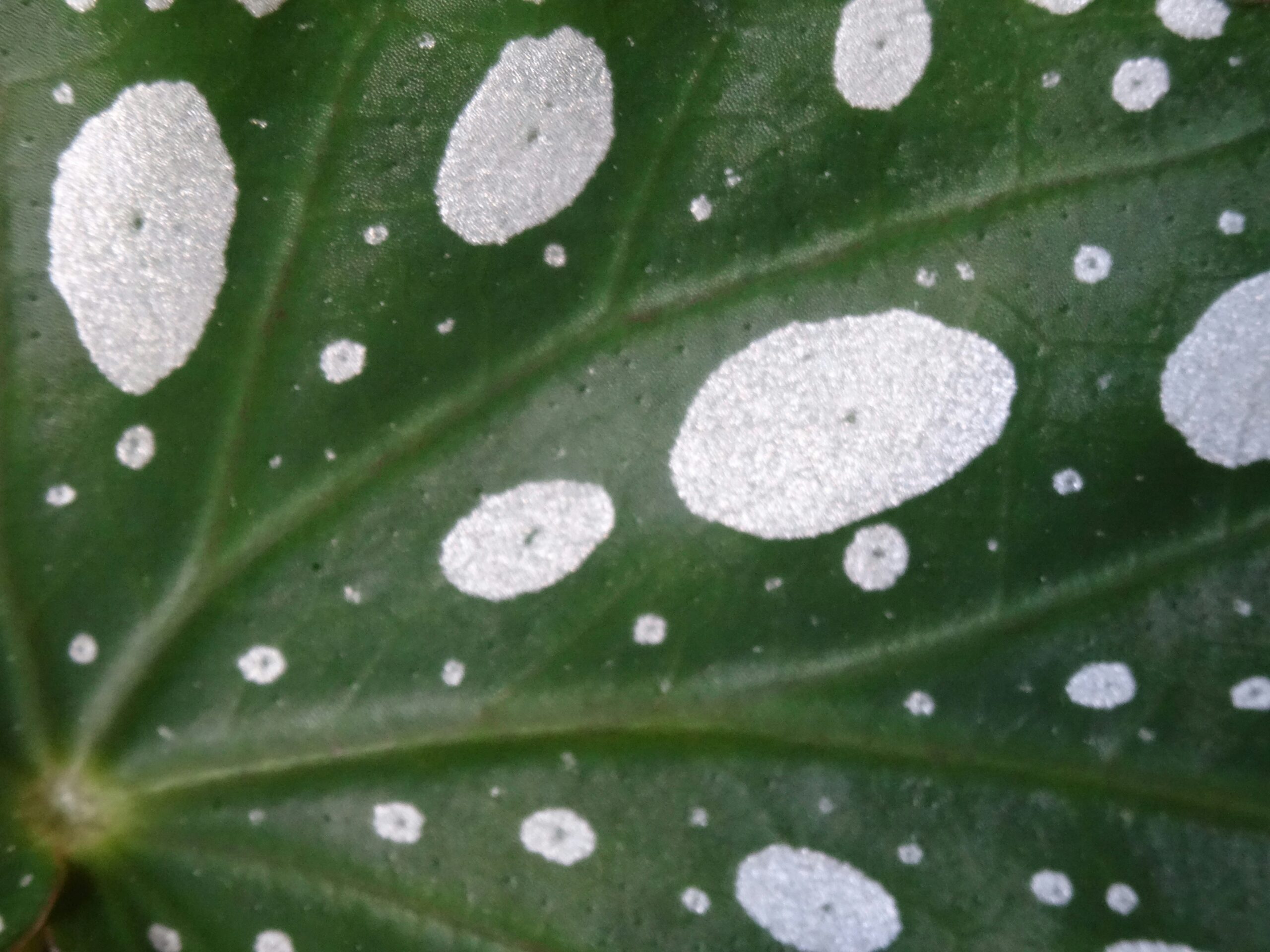
| Cane / angel wing | Upright, bamboo-like stems, often spotted leaves | Hanging flower clusters; tolerates average household conditions |
| Tuberous | Large, showy flowers, often in hanging baskets | Goes dormant and dies back seasonally |
| Wax | Compact, everblooming | Common bedding plant; tolerates more sun than the others |
Dormancy in tuberous types
Unlike the other begonia types, tuberous begonias naturally die back each year. As the foliage yellows and collapses in fall, this is normal rather than a sign of a dying plant, reduce watering and let the top growth fully die back, then store the tuber in a cool, dry place over winter. Replant in fresh soil in spring once new growth starts to emerge, watering only lightly until it’s established again.
Common problems
Yellowing leaves are the most frequent concern, and a white powdery coating pointing toward powdery mildew is worth checking for first with this genus, alongside the more universal culprits. If the base feels soft or mushy despite normal watering, root rot is worth ruling out.
A few things people ask
Is begonia toxic to pets? Yes, the ASPCA lists begonia as toxic to cats and dogs due to soluble calcium oxalates, with the underground tubers being the most concentrated part, it’s worth keeping them out of reach.
Why did my tuberous begonia suddenly collapse in fall? This is almost always normal seasonal dieback rather than a problem, tuberous begonias are meant to go dormant, and the visible collapse simply means it’s time to reduce watering and let the plant rest.
Why are my rex begonia’s leaves crispy at the edges? Low humidity is the most common cause for this particular type, rex begonias are noticeably more sensitive to dry air than cane or wax varieties, so increasing humidity around the plant usually resolves it.
Do all begonias flower? Rex begonias can produce small flowers but are grown almost entirely for their foliage, the blooms are secondary. Cane, tuberous, and wax types, by contrast, are grown specifically for their flowers. Next reads: Anthurium Care Guide: Light, Water, and Blooming, Amaryllis Care Guide: Light, Water, and the Yearly Rest and Cyclamen Care Guide: Cool Light, Bottom Watering, and the Summer Rest.