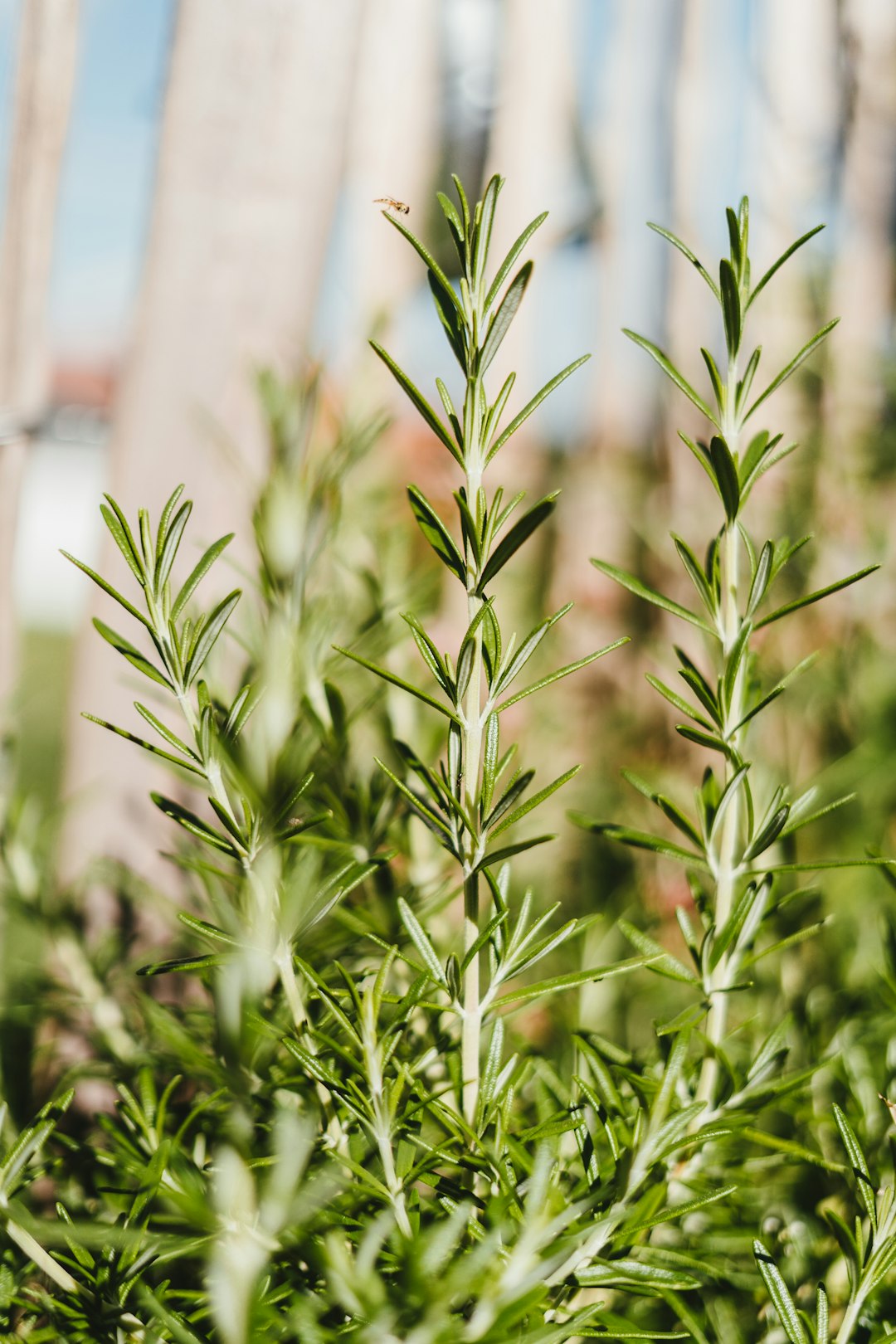
Rosemary is the herb that looks easy and is not. It is sold in every grocery store and garden center, and people bring it home expecting a hardy, scented bush for the windowsill. Indoors it can thrive, but it wants conditions close to the dry, bright, breezy places it grows naturally, and that is where most pots go wrong.
This guide covers rosemary (Salvia rosmarinus) in the order that affects results most. If the needles are already browning, why rosemary turns brown goes deeper.
Light
Rosemary needs as much sun as it can get. A south-facing window with several hours of direct sun is the best indoor spot, and in warm weather the plant does well outdoors in full sun. In weak light it grows thin and leggy and browns from the inside. Move it outside gradually in spring so the needles do not scorch, and see grow lights for houseplants if no bright window is available.
Watering
Let the soil dry out between waterings, then water thoroughly and let the excess drain away. Rosemary tolerates short dry spells far better than soggy roots. Empty the saucer after watering, and water less in winter when growth slows. The guide to overwatering and underwatering helps when the signs are confusing.
Soil and potting
Use a gritty, fast-draining mix, such as cactus or succulent soil with some extra sand or perlite, in a pot with drainage holes. Unglazed terracotta helps the soil dry evenly. Repot only when roots fill the pot, moving up one size at a time, since a pot that is too large holds water and raises the risk of root rot.
Humidity and temperature
Unlike many houseplants, rosemary prefers fairly dry air with good circulation, so a humidifier is not needed. Avoid crowding it among other plants or misting it, which encourages mildew. Cool, bright conditions in winter suit it better than a hot, stuffy room, though it should be kept away from freezing drafts.
Fertilizing
Rosemary does not need much. A light feeding with a balanced fertilizer during the growing season, following the label directions, is enough. Too much fertilizer produces soft growth and does not improve flavor. Skip feeding in winter.
Pruning and propagation
Regular harvesting doubles as pruning and keeps the plant bushy. Take soft tips rather than cutting into old bare wood, which often does not regrow. Rosemary can be propagated from stem cuttings taken from non-woody tips, rooted in a light, moist mix in a bright spot. Roots can be slow to form, so take several cuttings.
The airflow: what makes this plant different
What separates rosemary from most houseplants is that it prefers dry soil and moving air to the steady moisture and humidity that many foliage plants enjoy. It is a woody Mediterranean shrub, not a tropical. Treating it like a fern or a pothos, with frequent water and a sheltered, humid spot, is the most common way to lose it.
That also means rosemary does best when it is given room. Place it where air can move around it, avoid crowding, and keep the foliage dry when watering. A bright, airy windowsill beats a cozy corner.
Common problems
Browning needles, powdery mildew, and thinning growth are the usual complaints. The page on why rosemary turns brown sorts out the causes. For a wider look at what a struggling plant might be showing, see houseplant problems by symptom.
A few things people ask
Can rosemary live indoors all year?
Yes, if it gets very bright light, good airflow, and careful watering. Many growers move it outdoors in warm weather and bring it back before frost.
How often should rosemary be watered?
There is no fixed schedule. Water when the soil has dried out, and let it drain fully. The interval changes with season, pot size, and light.
Why does rosemary get leggy?
Usually the light is too weak. Move it to a brighter spot and prune soft tips to encourage branching.
Is rosemary safe around pets?
The ASPCA lists rosemary as non-toxic to dogs, cats, and horses. See the ASPCA rosemary page for details, though chewing on any plant can still upset a pet’s stomach.