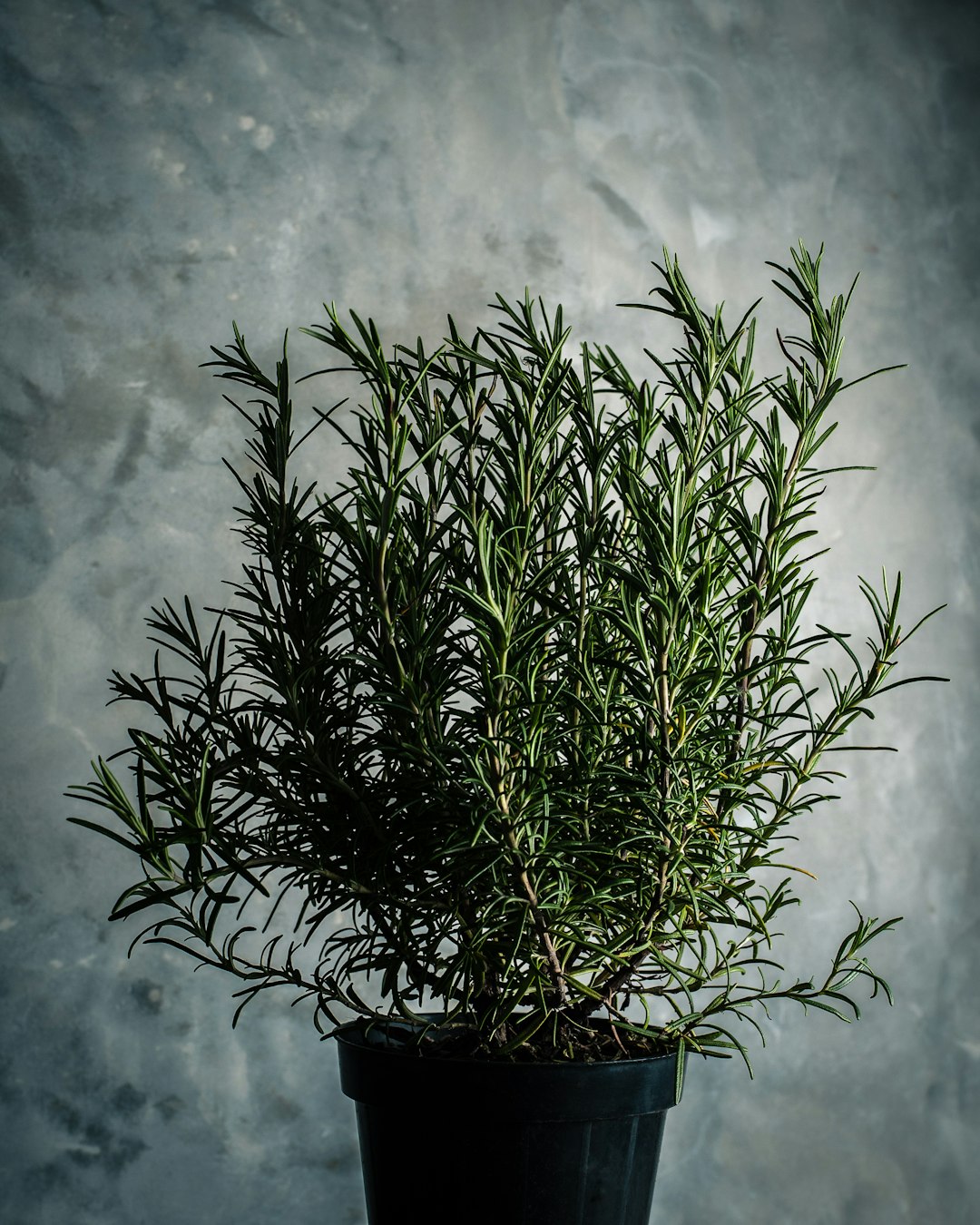
If your rosemary is turning brown, with needles going crisp from the tips or whole branches fading to gray, the plant is not always beyond saving. Rosemary (Salvia rosmarinus, long sold as Rosmarinus officinalis) is a Mediterranean shrub, and indoors it is one of the herbs that struggles most. The usual first reaction is to water it more, which is often exactly the wrong move.
Brown rosemary almost always traces back to water, air, or light. Work through the quick checks below, then read the matching section.
Quick triage
Is the soil damp or soggy, and do the lower stems look dark or limp? That points to overwatering and root rot. See the section on overwatering.
Is the soil bone dry and the needles crisp all over? The plant has been left too dry. See the section on underwatering.
Is the plant sitting in a dim room or far from a window? Rosemary needs very bright light. See the section on light.
Is there a white, powdery coating on the needles, or a stale, closed-in feel to the air? That suggests poor airflow. See the section on airflow and mildew.
Is the plant crammed in a small pot with roots circling the edges? See the section on a crowded pot.
Overwatering and root rot
Rosemary evolved on dry, rocky ground and dislikes wet roots. When the soil stays damp, the roots suffocate and begin to rot, and the first visible sign is often browning needles and branches that look as though the plant is thirsty. Adding more water then speeds the decline. Check the soil a few centimeters down instead of guessing; if it is wet, let it dry before watering again and make sure the pot has drainage holes and the saucer is emptied. The guide to telling overwatered from underwatered plants walks through the check, and root rot in houseplants shows what failing roots look like. If the roots are mushy and brown, trim them back and repot into fresh, fast-draining mix.
Underwatering
The opposite problem also happens. A rosemary in a small pot on a warm, sunny sill can dry out quickly, and once the whole root ball is dry the needles turn brown and brittle. Water slowly until it runs out of the bottom, and check the soil more often during warm, bright weather. Branches that have gone fully brown and snap cleanly rarely recover, but green growth lower down often does.
Not enough light
Rosemary is a full-sun plant. In a dim spot it stretches, thins out, and slowly browns from the inside. A south-facing window with several hours of direct sun suits it best indoors. If the room is dark, a grow light can make up the difference; see grow lights for houseplants.
Poor airflow and mildew
Stale, humid air is hard on rosemary, and it is a common reason for powdery mildew and browning in indoor pots. Give the plant space, keep it away from crowded shelves, and avoid misting the foliage. A little air movement from an open window on mild days, or a gentle fan, helps. Wipe off or trim affected growth rather than leaving it on the plant.
A crowded pot
A rosemary that has outgrown its pot dries out fast and struggles to take up water, which shows up as browning tips. Move it up one pot size into a gritty, well-draining mix when roots fill the container. Avoid a pot that is far too large, since extra soil holds water and brings back the root rot problem.
A few things people ask
Will brown rosemary turn green again?
Brown needles will not regain color. If the stems underneath are still green and flexible, the plant can send out new growth once conditions are corrected. Stems that are brittle and brown all the way through are dead.
Should the brown parts be cut off?
Trimming dead branches is fine and helps the plant focus on healthy growth. Avoid cutting back into old bare wood, since rosemary often does not resprout from it.
Why does rosemary die so often indoors?
Indoor air is usually more humid and still than the plant likes, and light is weaker than it gets outside. Overwatering on top of that is the most frequent finishing blow.
Is rosemary safe around pets?
The ASPCA lists rosemary as non-toxic to dogs, cats, and horses. See the ASPCA rosemary page for details, though chewing on any plant can still upset a pet’s stomach.
For the full routine on light, water, soil, and pruning, see the rosemary care guide.
Related: the rosemary care guide covers the full routine for keeping the plant healthy.