A bird of paradise makes the corner of a living room look like it belongs in a hotel lobby, and leaves that big suggest a plant that needs constant fussing. It’s actually one of the more forgiving houseplants, once you stop worrying about the splits in the leaves and just leave it alone in a bright spot.
Most of the trouble people run into with this plant comes down to getting the light and watering rhythm right early on. Once that’s dialed in, it’s a genuinely low-maintenance plant for how dramatic it looks.
Light
Bird of paradise wants bright light, and unlike a lot of houseplants it actually tolerates a few hours of direct sun reasonably well, especially morning sun. That said, sudden exposure to intense afternoon sun through unfiltered glass can scorch the leaves, so if you’re moving it to a brighter spot, do it gradually over a week or two rather than all at once.
In lower light it will survive, but new leaves tend to come in smaller and more slowly, and the plant is unlikely to ever flower indoors regardless of light, flowering mostly happens outdoors or in greenhouse conditions.
Watering
Water thoroughly when the top inch or two of soil has dried out, then let any excess drain away completely, this isn’t a plant that wants to sit in standing water. It likes more consistent moisture than a succulent but still needs that drying period between waterings to avoid root rot.
Underwatering tends to show up as drooping or curling leaves along with dry, crispy edges, while overwatering shows up as yellowing that starts on the older, lower leaves. Checking the soil with a finger before watering is more reliable than sticking to a fixed schedule, since how fast it dries out changes with the season and how much light it’s getting.
Soil and potting
A well-draining potting mix is important here, something like a standard indoor potting mix with some perlite or orchid bark mixed in works well. A pot with drainage holes is close to non-negotiable for this plant given how much it dislikes sitting in wet soil.
Bird of paradise actually prefers being a little rootbound and tends to grow better once its roots have filled the pot, so resist the urge to size up too aggressively when repotting. Moving up one pot size every couple of years, rather than into something dramatically bigger, tends to work better than giving it a lot of extra room all at once.
Humidity and temperature
Average household humidity is workable, but this plant does noticeably better with a bit of extra humidity, particularly in winter when heating systems dry the air out. Crispy leaf edges are one of the first signs the air is too dry for it. Normal indoor temperatures suit it fine; just keep it away from cold drafts and away from heating or AC vents blowing directly on the leaves.
Fertilizing
A balanced liquid fertilizer, diluted to about half strength, once a month during spring and summer supports steady growth. Ease off or stop entirely over fall and winter when growth naturally slows. Over-fertilizing shows up as salt buildup, often a white crust on the soil surface, which can contribute to the same kind of leaf-edge browning that dry air causes.
Propagation
Unlike a lot of common houseplants, bird of paradise doesn’t propagate well from stem or leaf cuttings, there’s no node system to root from the way there is with something like pothos. The reliable method is division: if the plant has produced offshoots or multiple stems from the base, you can separate a section with its own roots attached when repotting and pot it up on its own. It’s a slower process than most houseplant propagation and works best on a mature, well-established plant.
Why the leaves split, and why that’s normal
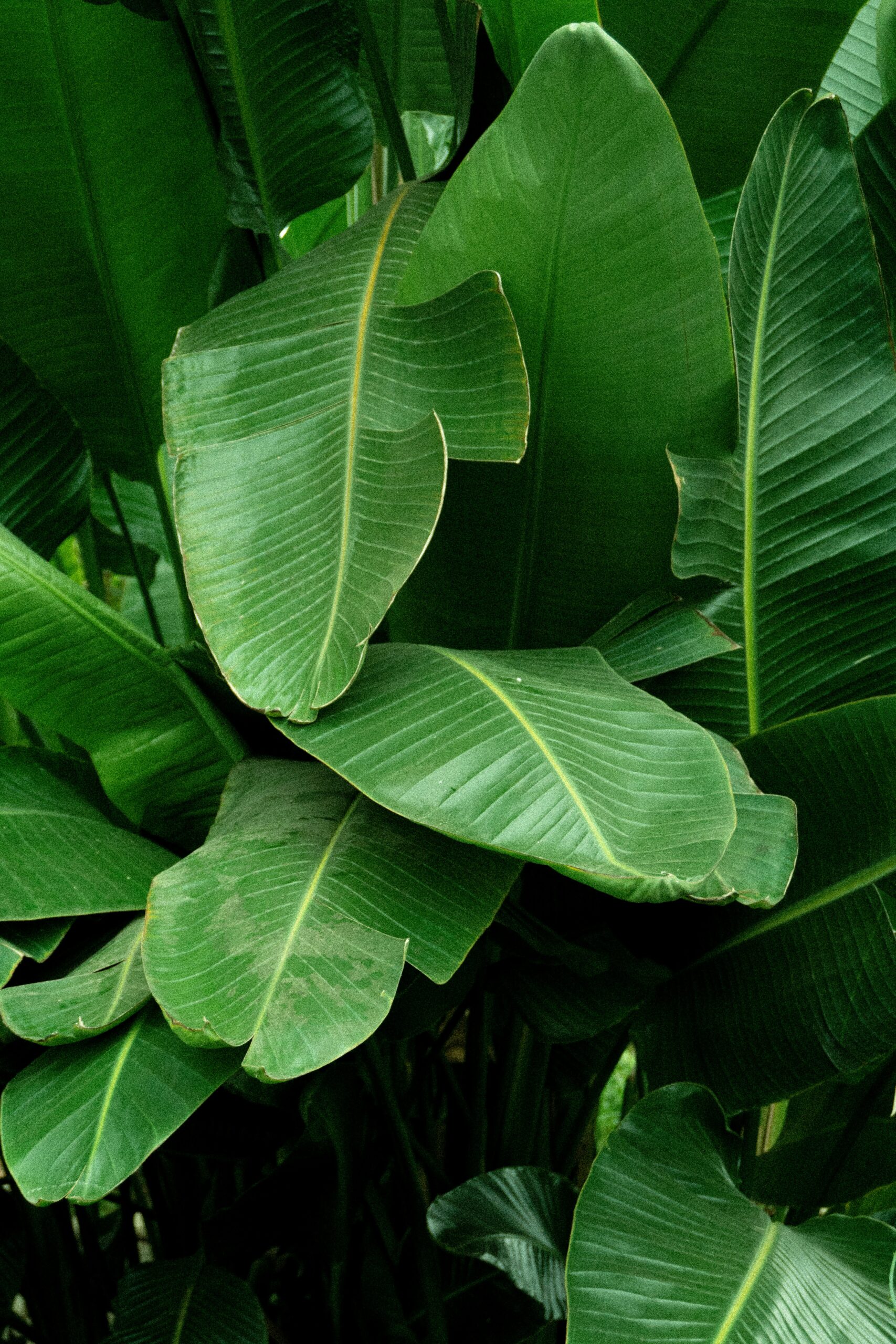
New owners often assume the slits that appear along the veins of mature leaves are damage or disease, but they’re a completely natural trait of this plant. In its native habitat, the splits are thought to help the broad leaves resist tearing in wind by letting air pass through rather than catching the whole leaf surface. Indoors, away from wind, the leaves still tend to split as they mature and get larger, it’s just part of the plant’s growth pattern rather than something to prevent or worry about.
Common problems
Brown, crispy leaf edges are the most common complaint with this plant, usually from low humidity, tap water sensitivity, or occasionally sun scorch. The full breakdown of causes and fixes is in Why Are My Bird of Paradise’s Leaves Turning Brown?
A few things people ask
Will my indoor bird of paradise ever flower? It’s unlikely but not impossible. These plants typically need to be quite mature and are much more likely to bloom outdoors or in a greenhouse with more consistent bright light than most homes provide. Don’t treat a lack of flowers as a sign you’re doing anything wrong.
How big does it get indoors? Depending on the species, it can reach several feet tall and wide over years, with some varieties eventually needing a genuinely large floor space. Growth is fairly slow, so this happens gradually rather than all at once.
New leaves are coming in curled and pointy. Is that normal? Yes, completely normal. New leaves emerge rolled up like a cone and unfurl into the familiar paddle shape over several days to a couple of weeks.
Is it toxic to pets? The flowers and seeds of bird of paradise are considered toxic to dogs and cats if ingested, causing digestive upset. Keeping it out of reach of curious pets is worth doing even though the leaves themselves are less commonly the issue. Next reads: Monstera Care Guide: Light, Water, and Fenestration, Ficus Care Guide: Fiddle Leaf Fig, Rubber Plant, and Weeping Fig and Money Tree Care Guide: Light, Water, and the Braided Trunk.