
Moving a haworthia to the sunniest spot on the windowsill seems logical, since a succulent wants all the light it can get — but the leaves can turn an alarming shade of orange-red. This one plant breaks the usual succulent rule, it actually prefers gentler light than most of the sun-worshippers in this guide series, and a sunny sill roasts it.
Quick triage
| Symptom pattern | Likely cause |
|---|---|
| Leaves reddish, orange, or brown, worse on the window-facing side | Sunburn |
| Leaves soft, mushy, or translucent near the base | Overwatering or rot |
| Leaves shriveled and wrinkled | Underwatering |
| Rosette stretched and pale with gaps between leaves | Too little light |
Sunburn
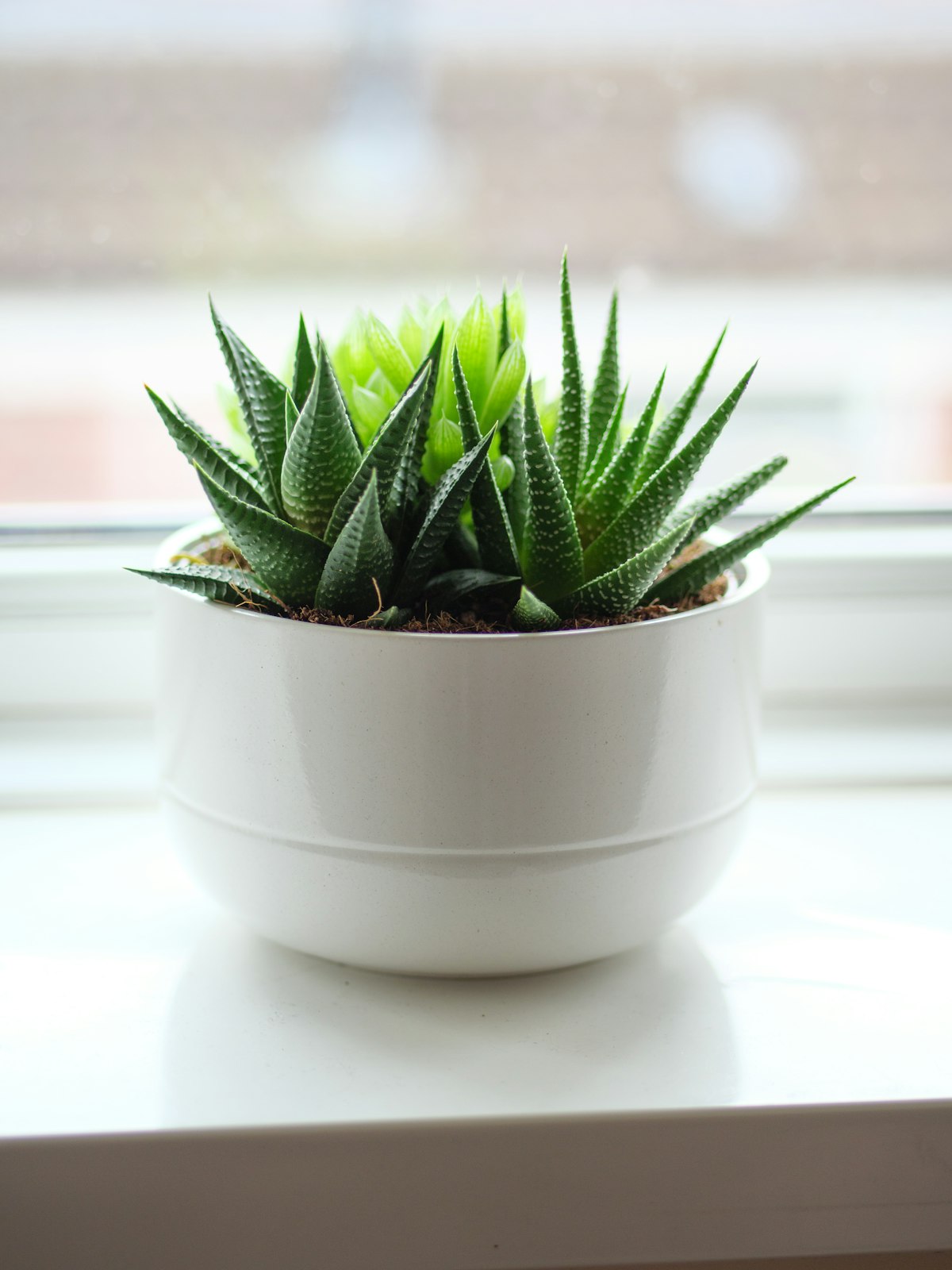
Unlike most succulents in this guide series, this plant doesn’t want intense direct sun, in habitat it grows tucked into rock crevices and partial shade rather than out in full exposure, and too much sunlight will turn it deep red as a stress response. Too much direct light, especially through a hot afternoon window, turns the leaves reddish, orange, or brown as a stress response. Moving it to a spot with bright but indirect or filtered light usually stops further damage, though the discolored leaves themselves won’t turn back to green.
Overwatering and rot
Soft, mushy, or translucent leaves, especially near the base of the rosette, point to overwatering, which left unchecked leads to rot. This plant needs the soil to dry out completely between waterings, letting it sit in damp soil for extended periods is the most common way people accidentally kill it.
Underwatering
Shriveled, wrinkled leaves that feel thin rather than plump mean the plant has gone too long without water. A thorough watering usually plumps the leaves back up within a day or two, this is a far easier problem to fix than rot.
Too little light
In light that’s too dim, the rosette stretches upward and outward, with pale, thin leaves and noticeable gaps between them instead of the tight, compact shape this plant normally has. Moving it somewhere brighter, just not into direct hot sun, restores fuller growth over the next several weeks, though existing stretched growth won’t compact back down on its own.
What each kind of browning looks like
The texture of the damage tells you more than the shade of brown. Sunburn leaves dry, tan, orange or reddish patches, usually on the side facing the window, and the leaf stays firm. Rot does the opposite: leaves go soft, wet-looking and translucent, often starting at the base of the rosette, and the plant can feel loose in the pot. Dry, browned tips on otherwise plump leaves are a third pattern, and they are cosmetic damage from sun or from a stretch without water rather than a sign of rot.
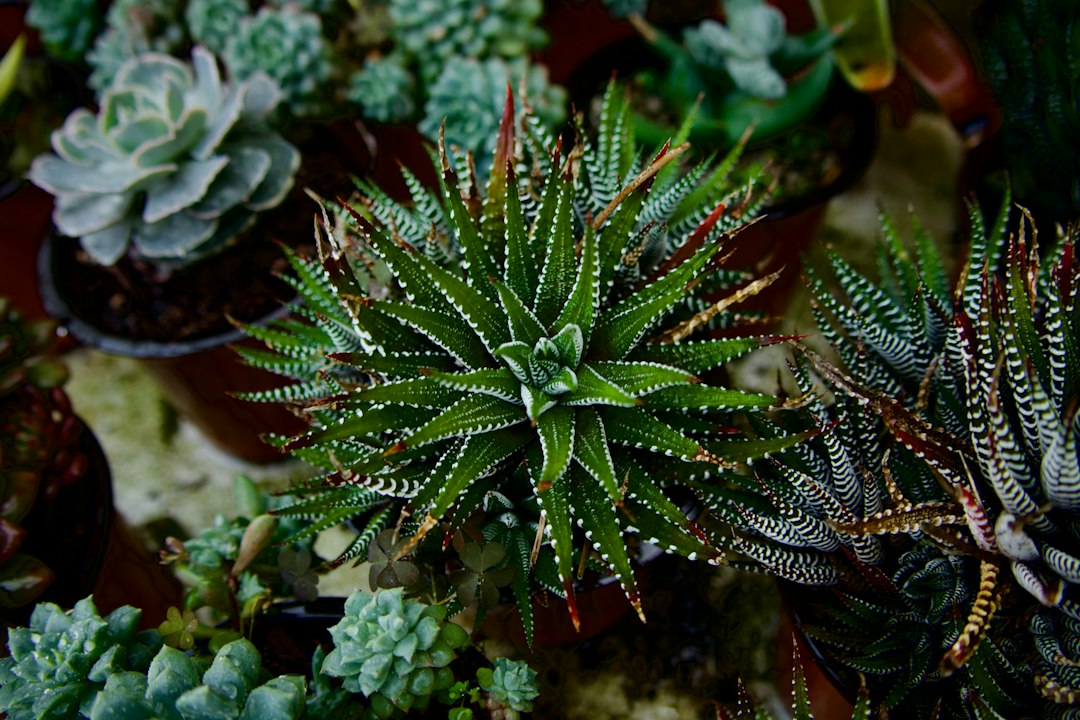
Iowa State Extension’s guide to common succulent problems describes the same split for succulents in general: brown or tan patches point to sun scald, usually after a plant is moved from low light straight into bright or direct sun, while yellowing, soft or mushy leaves and wet soil point to overwatering.
How to fix it, step by step
If it is sunburn: move the plant to bright, indirect light and keep it out of hot afternoon sun. Burned leaves will not turn green again, so judge recovery by the new growth in the center of the rosette. If you want the plant in a brighter spot later, move it gradually; the Iowa State guide recommends transitioning succulents to new light conditions slowly to avoid damage.
If it is overwatering: stop watering and let the soil dry out thoroughly before the next drink. Check that the pot has a drainage hole and that no saucer, tray or decorative sleeve is holding standing water. If the leaves stay soft and the rosette feels loose, slide the plant out of the pot and look at the roots. Firm, light-colored roots can stay; brown, mushy ones should be cut away with clean scissors before repotting into fresh, fast-draining mix.
If it is stretching: tall, pale, spindly growth, or a rosette that opens up and flattens, means the plant is reaching for light. Move it somewhere brighter, but not into sudden direct sun. A grow light can fill the gap in a dim room, and our grow light guide compares several options.
A routine that prevents most of it
Most haworthia problems come back to two habits. First, water in a wet-dry cycle: soak the soil, then let it dry completely before watering again, the rhythm Iowa State recommends for succulents in general. Second, keep the light gentle and steady: bright and indirect, protected from hot afternoon sun, and with no sudden jumps between a dim shelf and a sunny windowsill. The mix matters too, because soil that is too organic or fine-textured holds too much water; a fast-draining succulent mix in a pot with a drainage hole is the safer choice.
A few things people ask
Is haworthia toxic to pets? No, it’s considered non-toxic to cats and dogs, a safe choice for households with curious pets.
Can I move it to a sunnier spot to fix stretching? Yes, but do it gradually over a couple of weeks rather than all at once, a sudden jump to direct sun is exactly what causes sunburn.
Why does one side look different from the rest? Uneven light exposure is the usual cause, rotating the pot occasionally encourages more even coloring and growth.
Will sunburned leaves recover? No, the discoloration is permanent on those leaves, but new growth that comes in under correct light will look normal.
Can a haworthia with rotted roots be saved? Sometimes. If the rot is caught early, letting the soil dry out and trimming away soft roots can be enough. If it is advanced, the Iowa State guide suggests discarding the plant or propagating healthy-looking segments; for a haworthia, that usually means separating small healthy offsets from the base and rooting them in dry, gritty mix.
For the full day-to-day routine, see our Haworthia care guide, which covers light, watering, propagation, and why this succulent wants gentler light than most. Next reads: Why Is My Rhipsalis Turning Brown or Shriveling?, Why Is My Aloe Vera Turning Brown? and Why Is My Air Plant (Tillandsia) Turning Brown or Dying?.