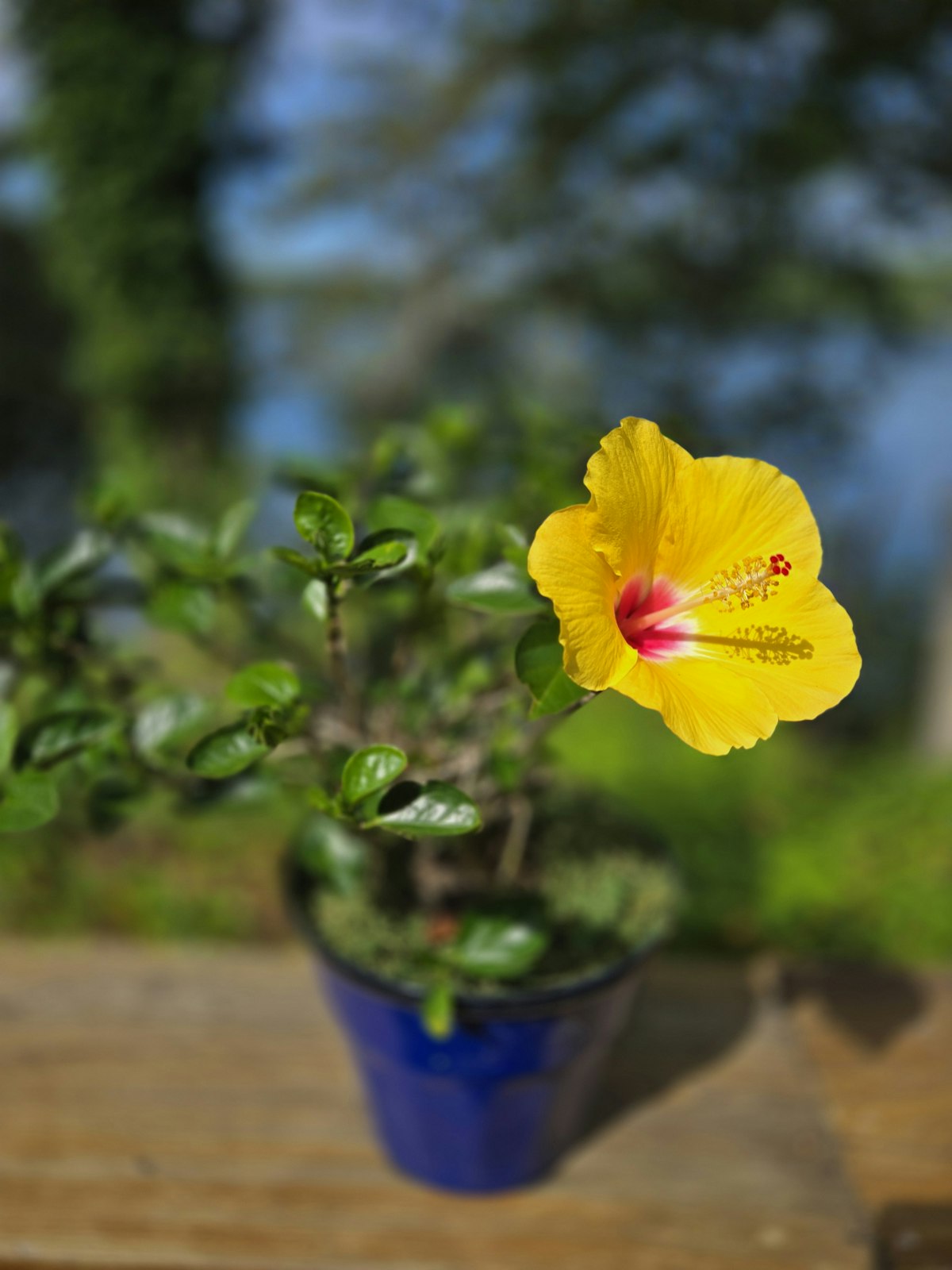
If your hibiscus is dropping buds before they open, or the leaves are turning yellow and falling at the same time, the plant is not necessarily dying. Hibiscus (Hibiscus rosa-sinensis) is a tropical shrub that reacts quickly to changes in light, temperature, and moisture, and shedding buds and leaves is its standard response. The usual first reaction is to water more or to feed it, and neither addresses the real cause.
Most of the time the trigger is a change in the plant’s surroundings, often a move indoors or outdoors, or a shift in the weather. Work through the quick checks below, then read the matching section.
Quick triage
Has the plant been moved recently? A move between indoors and outdoors, or even to a different window, is the most common cause of sudden leaf and bud drop. See the section on moves and temperature swings.
Is the soil soggy, or bone dry between waterings? Hibiscus punishes both. See the section on watering.
Is the plant in a dim spot? Buds need strong light to develop. See the section on light.
Are there sticky leaves, fine webbing, or tiny insects on new growth and buds? That points to pests. See the section on pests.
Are the lower leaves yellowing while the rest of the plant looks fine? That may be normal, or a feeding issue. See the section on yellow leaves.
Moves and temperature swings
Hibiscus is sensitive to sudden change. Bringing a summer-outdoors plant inside for the cold season, or putting an indoor plant out too early in spring, commonly triggers a wave of yellow leaves and dropped buds as the plant adjusts. Cold drafts, heating vents, and cool nights also set it back, since it is a tropical plant that dislikes chill.
Move the plant gradually where possible, a few hours of its new conditions at a time, and then leave it in place. Expect some leaf loss during the transition; the plant normally recovers and regrows once conditions are steady. Keep it away from cold windows and vents.
Watering problems
Hibiscus uses a lot of water in warm, bright weather and wilts quickly if the pot dries out. It also suffers if the roots sit in soggy soil. Buds that drop alongside yellowing leaves are a common sign of either extreme. Check the soil a short way down instead of guessing: if it is dry, water thoroughly until water drains out; if it is still wet, wait. The guide to telling overwatered from underwatered plants walks through the check, and root rot in houseplants shows what a failing root system looks like. Always empty the saucer after watering.
Not enough light
Hibiscus is a sun-loving plant and needs bright light to set and hold buds. In a dim room it may grow leaves but drop its buds, or stretch out and flower poorly. A bright window with several hours of direct sun suits it best. If the room is dark, a grow light can make up the difference; see grow lights for houseplants. If the plant is also stretching, why plants get leggy explains that pattern.
Pests
Aphids, whiteflies, and spider mites are frequent visitors on hibiscus. Aphids cluster on new growth and flower buds and can cause buds to drop before opening. Look at the undersides of leaves and around the buds for tiny insects, sticky residue, or fine webbing. A strong spray of water can knock off aphids, and insecticidal soap is a common next step, applied as directed on the label and repeated as needed. Isolate an affected plant from others while treating it.
Yellow leaves
A few yellow lower leaves are normal as the plant sheds old growth. Widespread yellowing is a different story. Besides the watering and temperature causes above, hibiscus is a heavy feeder in the growing season, and pale or yellowing leaves can reflect a lack of nutrients. A fertilizer made for hibiscus or flowering plants, used as the label directs, is the usual remedy. Do not feed a plant that is wilted, dry, or stressed, since fertilizer salts can damage roots.
A few things people ask
Will the dropped buds come back?
No. A bud that has fallen will not reattach. Once conditions are steady, the plant can set new buds.
Is it normal for a hibiscus to lose leaves in winter?
Some leaf loss is common when a tropical hibiscus is brought indoors or when light levels fall. Heavy loss with no new growth points to a problem with light, water, or temperature.
Should the plant be cut back?
Hibiscus tolerates pruning and often branches better afterward, but pruning a plant that is already stressed adds to the stress. Fix the conditions first and prune later in the growing season.
Is hibiscus safe around pets?
The ASPCA lists hibiscus as non-toxic to dogs, cats, and horses. See the ASPCA hibiscus page for details, though chewing on any plant can still upset a pet’s stomach.
For the full routine on light, water, feeding, and pruning, see the hibiscus care guide.