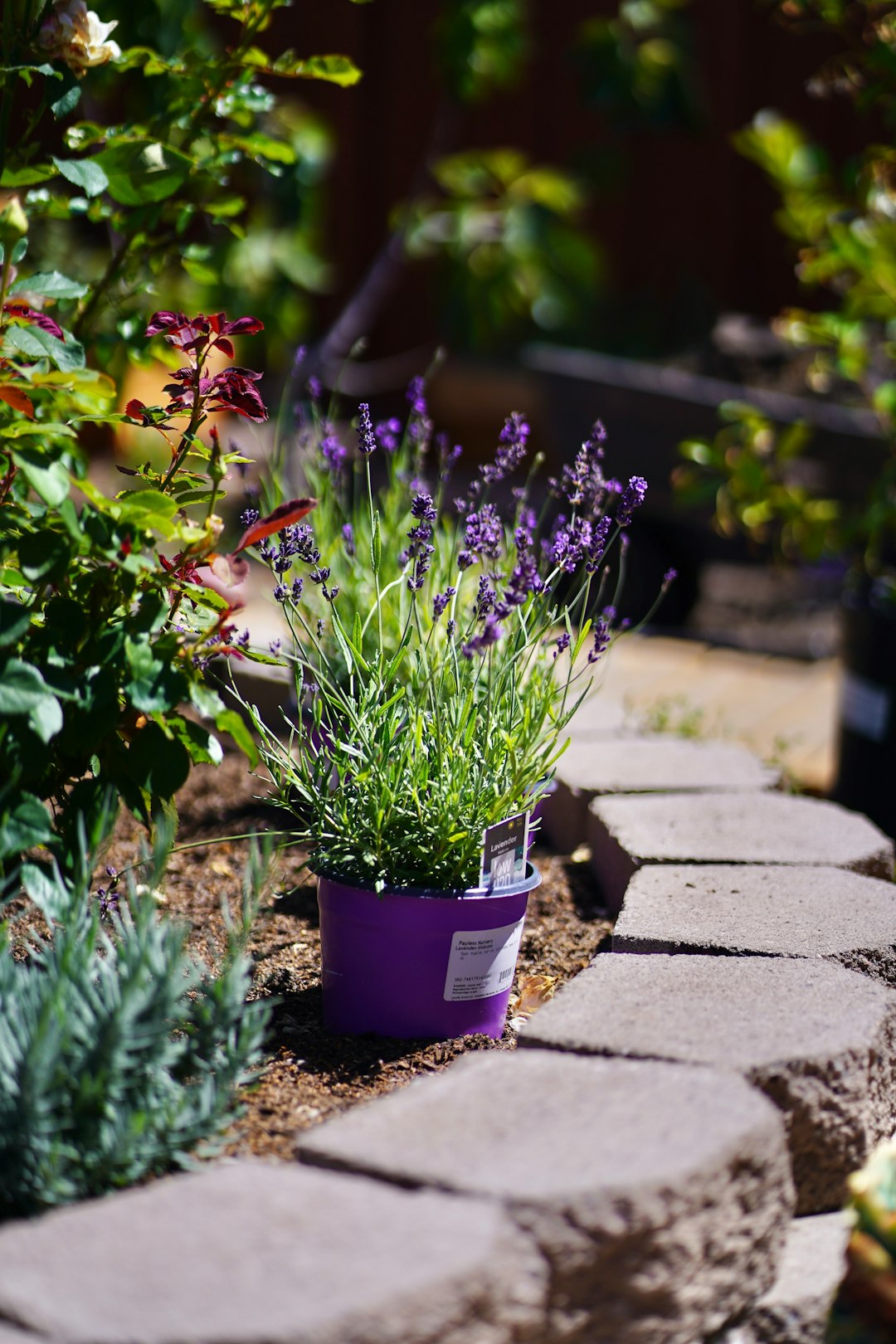
Lavender looks like an easy herb, but it is a plant of sunny, dry hillsides, and most struggles come from treating it like a leafy houseplant. Give it strong light, lean soil, and little water, and it is rewarding. Pamper it, and it browns and fades.
This guide covers lavender (Lavandula) in the order that affects results most. If leaves are already turning brown, why lavender turns brown goes deeper.
Light
Lavender needs full sun, meaning as much direct light as the spot can offer. Outdoors that means a sunny patio or garden bed. Indoors it needs the brightest south-facing window, or a grow light. Weak light leads to stretched, floppy stems and few flowers. See grow lights for houseplants if no bright window is available.
Watering
Water deeply but rarely, and let the soil dry out between waterings. Constantly damp soil is the main way lavender is lost. Established plants cope with dry spells far better than wet ones. The guide to overwatering and underwatering is useful when the signs are confusing.
Soil and potting
Use a gritty, fast-draining mix, such as a cactus or succulent blend with extra grit, and a pot with drainage holes. Terracotta helps because it dries faster than plastic. Lavender prefers lean soil, so rich potting mix can make it soft and short-lived. Repot only when roots fill the container.
Humidity and temperature
Lavender likes dry air, so humidity is not something to add. Good airflow matters more, because stagnant, humid air encourages mold and leaf disease. Many types handle cool weather, but wet soil in the cold is the danger, so keep containers on the dry side in winter.
Fertilizing
Lavender needs very little feeding. Rich soil and heavy fertilizer produce leafy growth with fewer flowers and a shorter life. If the plant looks pale, a light feed in spring is plenty.
Pruning and propagation
Trim lightly after flowering to keep the plant compact and prevent it from turning woody. Avoid cutting into bare old wood. Lavender can be propagated from semi-ripe stem cuttings: take a healthy tip, strip the lower leaves, and set it in a gritty mix in a bright spot, keeping it barely moist.
The scent and the dry roots: what makes this plant different
Lavender is prized for fragrant flowers and silvery, aromatic foliage, and that scent comes from oils the plant builds up when it grows in sun and lean soil. The flip side is that its roots dislike moisture, which sets it apart from most houseplants. The same conditions that keep it fragrant, strong sun, sharp drainage, and dry air, are the ones that keep it alive.
Common problems
Browning foliage, bare woody stems, and sudden collapse are the most common complaints. See why lavender turns brown for a step-by-step check.
A few things people ask
Can lavender live indoors?
It can, but only with very bright light and good airflow. Many people grow it outdoors in containers and bring it near a sunny window in winter.
Why is lavender not blooming?
Too little sun is the most common reason, followed by too much fertilizer or rich soil.
How often should lavender be pruned?
Lightly once a year after flowering is a common approach. Avoid cutting into old, bare wood.
Is lavender safe around pets?
The ASPCA lists lavender as toxic to dogs, cats, and horses. See the ASPCA lavender page.