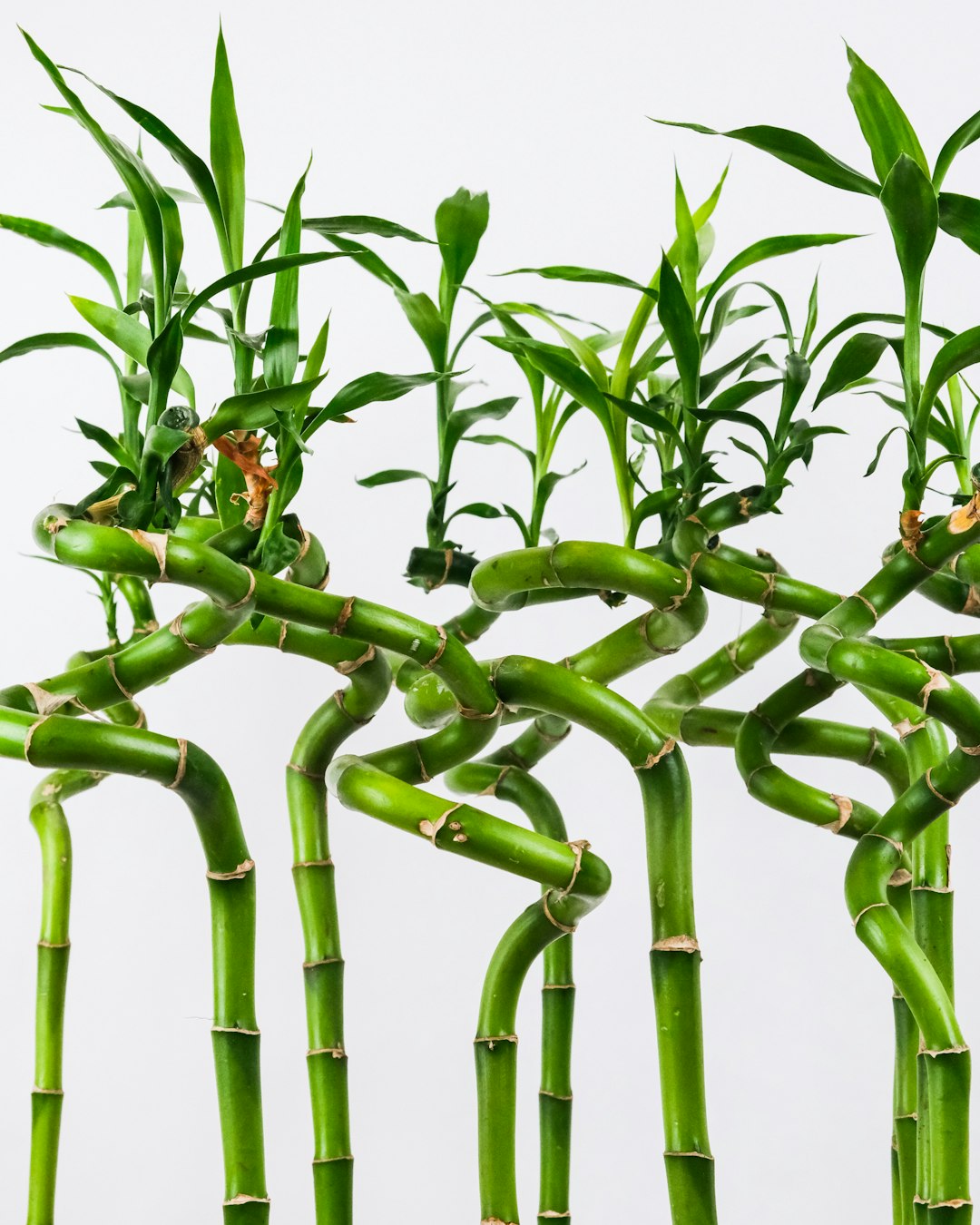
If a lucky bamboo stalk or its leaves have gone yellow, the first instinct is usually to add more water or a splash of fertilizer. That is often the wrong move. Lucky bamboo is not bamboo at all but a Dracaena (Dracaena sanderiana), and it tends to turn yellow for a short list of reasons: too much sun, unclean water, too much fertilizer, or a stalk that has started to rot.
The tricky part is that leaf yellowing and stalk yellowing mean different things. Leaves can often be fixed; a stalk that is turning yellow usually cannot. This page sorts the two apart so the next step is clear.
Quick triage
Is the stalk itself yellow, or only the leaves?
A yellow, soft or slimy stalk points to rot, and it will not turn green again. Yellow leaves on a firm green stalk point to light, water quality, or feeding, and are usually fixable.
Is the water cloudy or smelly?
That suggests bacterial growth, and it often sits behind a stalk that is beginning to rot. Change the water and clean the container right away.
Is the plant in direct sun?
Pale or yellow leaves with dry patches usually mean sunburn. Lucky bamboo is a shade-tolerant understory plant and does better in bright, indirect light.
Cause 1: Too much direct light
Dracaenas grow in the shade of larger plants in the wild, and lucky bamboo is no exception. A spot in direct sun, especially through a south or west window, can bleach the leaves to a washed-out yellow-green and leave dry patches. Moving the plant back from the window, or filtering the light with a sheer curtain, is often enough. New growth will come in a healthier green; existing yellow leaves will not recover and can be trimmed off.
Cause 2: Dirty or unsuitable water
Plants grown in a vase sit in the same water for days, so the water quality matters more than it does for a potted plant. Stagnant water grows bacteria and algae, and some tap water contains chlorine or fluoride, which dracaenas are widely reported to be sensitive to. The usual signs are yellowing leaf tips and brown edges before the whole leaf yellows. Changing the water regularly, rinsing the container and pebbles, and using filtered, distilled or rainwater are the common remedies. Letting tap water stand does not remove fluoride, so a different water source is the more reliable fix.
Cause 3: Too much fertilizer
Lucky bamboo needs very little feeding. A heavy dose in the water can burn the roots and turn the leaves yellow, and it is one of the more common mistakes with this plant. If fertilizer is suspected, change the water completely and skip feeding for a good while. When feeding resumes, a very diluted liquid fertilizer made for water-grown plants, used sparingly, is enough.
Cause 4: Stalk rot
A stalk that turns yellow from the bottom up, softens, or smells is usually rotting, often from dirty water or from sitting in too much of it. A yellow stalk will not go back to green. The plant can sometimes be saved by cutting above the rot with a clean blade, discarding the affected part, and rooting the healthy top in fresh, clean water. If the entire stalk is soft, it is time to let it go.
Cause 5: Roots and container
Crowded or exposed roots can also cause trouble. Roots should stay covered by water, and the container should be large enough that they are not cramped. Roots that are mushy or dark and smelly should be trimmed off before the plant goes back into clean water. Plants grown in soil have the opposite problem: soggy soil with no drainage leads to the same rot. The page on overwatering and underwatering covers how to tell the signs apart.
What to do next
Remove any yellow leaves and, if the stalk is rotting, cut away the affected part. Rinse the container, change the water, and move the plant out of direct sun. After that, patience helps: lucky bamboo grows slowly, and recovery takes weeks rather than days. The full routine is in the lucky bamboo care guide.
A few things people ask
Can a yellow lucky bamboo stalk turn green again?
No. Once a stalk has turned yellow it will not recover, though the healthy top can often be cut off and rooted again.
Should yellow leaves be cut off?
Yes. They will not turn green again, and removing them lets the plant put energy into new growth.
Is tap water bad for lucky bamboo?
It can be. Dracaenas are commonly reported to react to the chlorine or fluoride in some tap water, so filtered, distilled or rainwater is a safer choice.
Is lucky bamboo safe around pets?
No. The ASPCA lists Dracaena, the genus lucky bamboo belongs to, as toxic to dogs and cats. See the ASPCA ribbon plant (Dracaena) page and keep the plant out of reach.