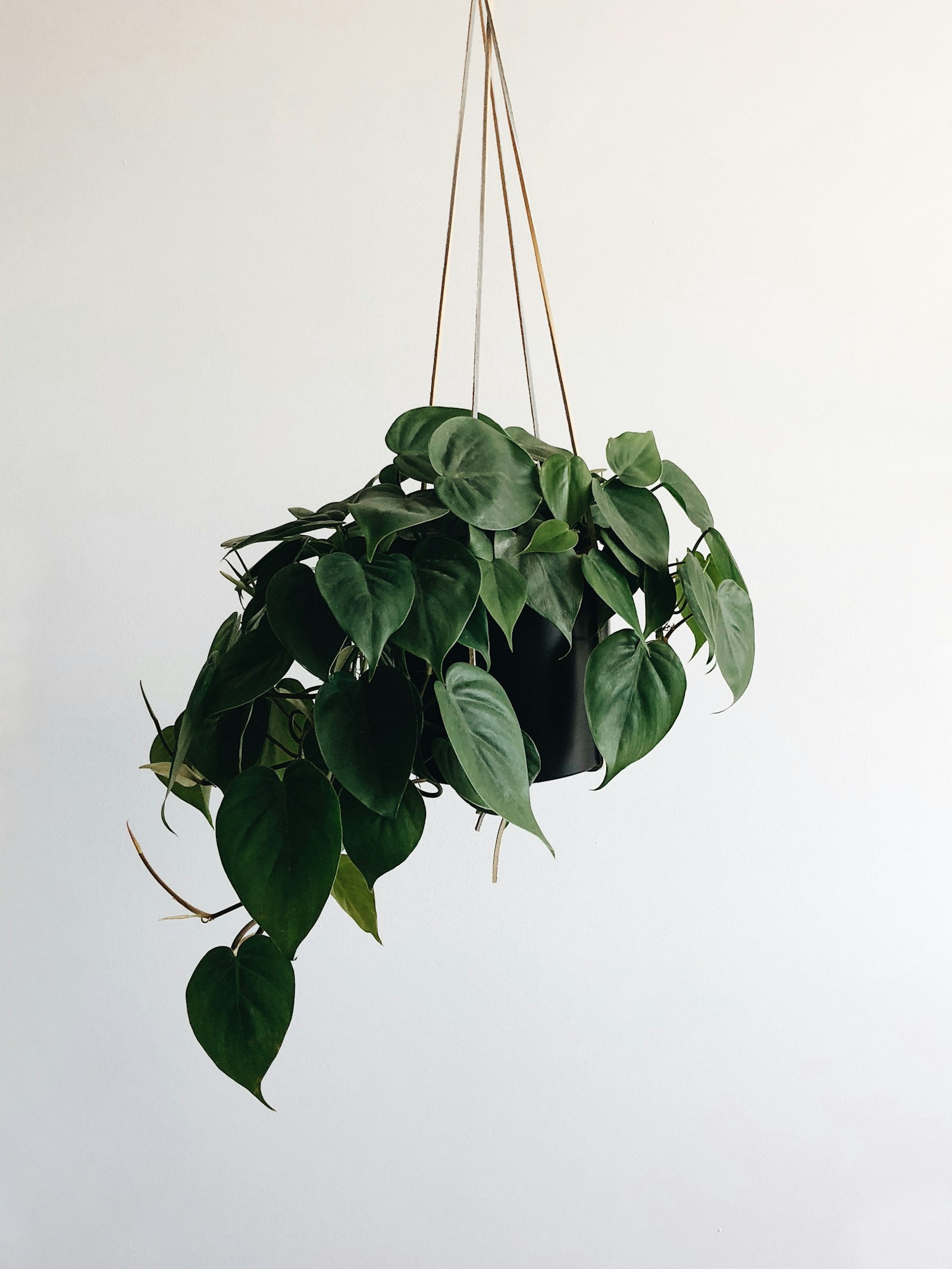
There’s a pothos on my kitchen shelf that I let go for way too long. It looked fine week to week, then one day I stepped back and realized the last six inches of stem had almost no leaves on it at all, just this long bare stretch with a little cluster of leaves way out at the end, reaching toward the window like it was trying to escape the shelf entirely. Which, in a sense, it was.
That’s legginess, and once you know what it looks like you’ll start seeing it everywhere. Long stretches of stem between leaves, growth that leans hard toward one direction, leaves that are smaller and more spaced out than they used to be. It’s not a disease and it’s not really a “problem” in the sense that your plant is dying. It’s a plant doing something completely logical in response to a real shortage of light. The fix isn’t complicated, but it does take slightly longer than people want it to.
What legginess actually is
The technical word is etiolation, which is a fancy way of describing what happens when a plant isn’t getting enough light to support normal, compact growth. Instead of putting out leaves close together the way it would in good light, the plant stretches the stem between each leaf, reaching further and further in whatever direction light is coming from, betting that it’ll find more of it further along.
It’s a survival strategy, and a pretty smart one biologically, but it comes at a cost. The stems that grow this way tend to be thinner and weaker than normal growth. The leaves that do form are often smaller than they should be, sometimes a lighter shade of green too, since the plant is rushing to grow rather than investing in full leaf development. Put it all together and you get the classic leggy look: sparse, stretched, leaning, and just generally sad compared to how the plant looked when you first got it.
The most obvious giveaway, if you’re not sure whether what you’re seeing counts, is direction. Leggy growth almost always leans toward a light source, sometimes dramatically. A plant that’s just growing normally tends to grow more evenly in all directions, at least if the light around it is reasonably even.
[PHOTO: a stem showing the shift from normal, tight leaf spacing to stretched-out leggy growth on the same plant — this comparison sells the concept better than any description]
Why it happens
Low light is the cause about nineteen times out of twenty, in my experience, but it’s worth knowing the specific ways a plant ends up in low light, because the fix is a little different depending on which one applies.
The most common version is just a plant that’s genuinely too far from any real light source. A “bright” room to human eyes can still be dramatically underlit from a plant’s perspective — our eyes adjust so well to dim conditions that a spot ten feet back from a window can feel perfectly bright to us while delivering a fraction of the light a plant actually wants. I fell for this constantly before I started actually paying attention to where the light was strongest in a room rather than just guessing.
Seasonal change is the other big one. A spot that was plenty bright in June can be noticeably dimmer by December, just from the sun sitting lower in the sky and the days being shorter. Plants that looked totally fine all summer sometimes start stretching in winter for exactly this reason, and it’s easy to miss because nothing about your care routine actually changed.
Less commonly, it’s overcrowding — a plant packed in among taller neighbors, shading itself out — or a plant that’s simply been in the same spot for a couple of years while, say, a tree outside the window grew and started blocking more light than it used to. Worth a glance outside if the legginess crept up gradually rather than appearing all at once.
How to fix a plant that’s already leggy
Here’s the part people don’t love hearing: you can’t un-stretch a stem. Once a section has grown long and thin reaching for light, it stays that way. The fix isn’t reversing the existing growth, it’s stopping more of it from happening and encouraging the plant to fill back in.
Move the plant somewhere brighter, first and always. This is the actual fix; everything else here is really just cleanup. Bright indirect light is the target for most common houseplants — right up close to an east or west-facing window, or a few feet back from a south-facing one. If there’s genuinely nowhere brighter in the house, a basic grow light on a timer solves this permanently and costs less than people expect.
Then prune. This feels counterintuitive when the plant already looks sparse, but cutting back the leggy growth is what actually triggers a plant to branch out and fill in, rather than just continuing to stretch from the same growing tip. Cut just above a node (the little bump on the stem where a leaf or leaf scar is) and the plant will usually respond by pushing out new growth from lower down, which is exactly what you want. I was nervous the first time I did this on that pothos — it looked worse for about a week — but it filled back in thicker than before within a couple of months, once it was actually getting decent light.
If the cuttings have a few nodes on them, propagate them. Most of the plants that commonly get leggy — pothos, philodendrons, tradescantia, that kind of thing — root easily in water or soil, and you can either grow a whole new plant from the cutting or tuck the rooted cutting back into the original pot to make it look fuller immediately, rather than waiting for the parent plant to fill back in on its own.
Can you prevent it?
Mostly, yes, and it’s simpler than the fixing part.
Give plants the light they actually need in the first place, which usually means being a little more honest with yourself about how bright a spot really is rather than going by vibes. A light meter app on your phone is free and takes thirty seconds, and it corrected my assumptions about my own apartment more than once.
Rotate plants a quarter turn every week or two if they’re near a window, since one-directional light is what causes that dramatic lean, even in decent overall light. And keep an eye out seasonally — if a plant’s spot was fine in summer, check back in on it once the days get noticeably shorter, because that’s exactly when legginess tends to creep in unnoticed.
A few things people ask
Will my plant just fix itself if I move it to better light? New growth will come in normal and compact, yes, but the existing leggy stem stays leggy. You’ll basically end up with a plant that’s leggy at the base and normal further up, unless you also prune, which is why I’d usually do both together.
Is legginess the same as a plant just growing tall? Not quite. Tall growth with leaves still reasonably close together is just growth. Legginess specifically means increased spacing between leaves along with that stretched, thin look — it’s about density, not height.
How long does it take to fix? Slower than you’d like, same as most plant problems. You’ll usually see the first sign of new, tighter growth within a few weeks of improving the light, but a plant that’s badly overgrown might take a full growing season to actually look “full” again.
Does this happen to succulents and cacti too? Yes, and it’s often more dramatic looking on them, since they’re built for compact growth in strong light. A leggy succulent stretching for light can look almost unrecognizable compared to a healthy one, with big gaps between leaves and a pale, weak-looking stem.