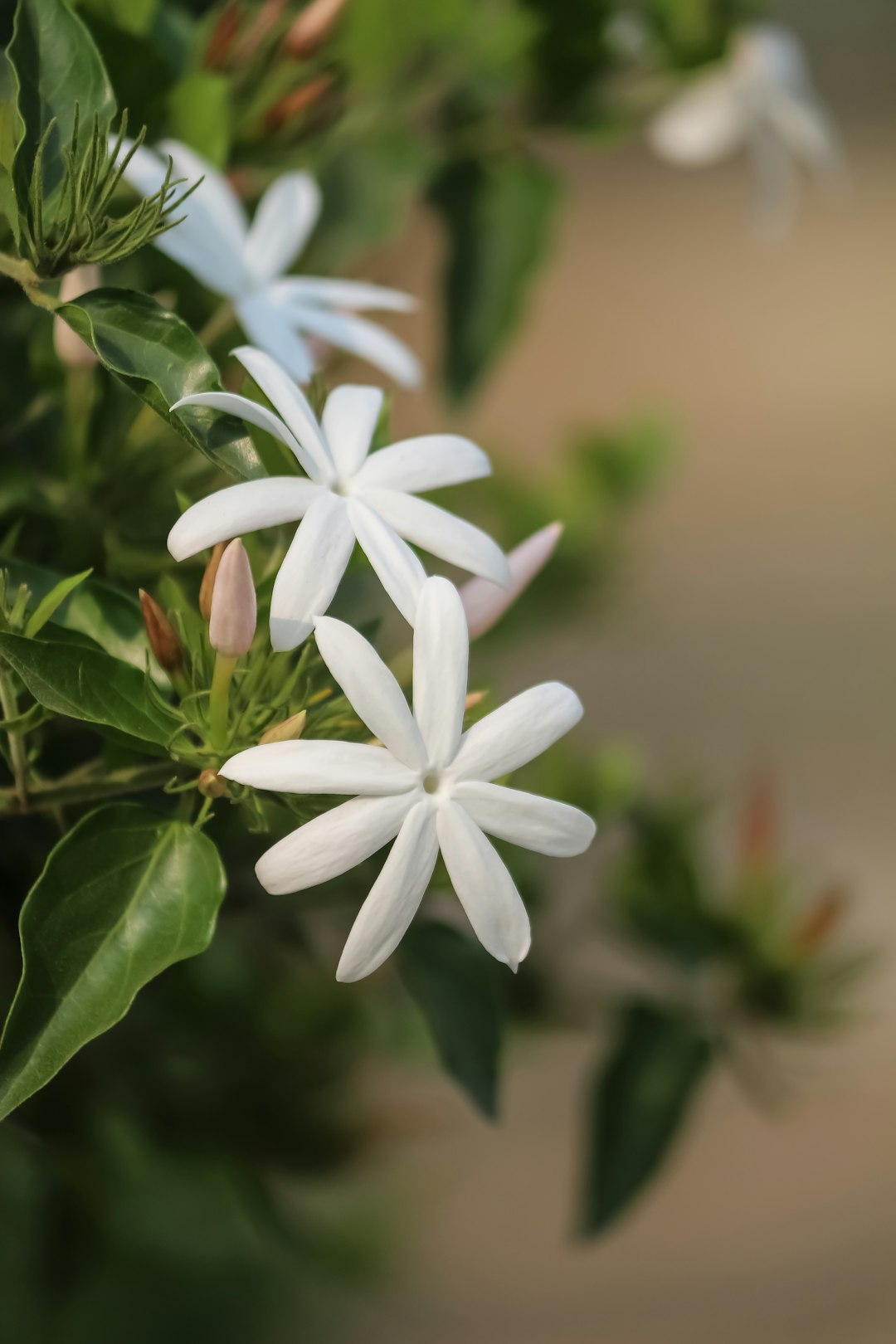
If your jasmine leaves are turning yellow, the usual first reaction is to water more or to feed it. Either can make things worse. Jasmine is a vigorous, sun-loving climber, and yellowing is often a message about light, water balance, or roots rather than a simple lack of food.
This page walks through the usual causes in the order worth checking. For the full routine, see the jasmine care guide.
Quick triage
Is the soil damp for days and the lower leaves yellowing first?
Suspect overwatering or a pot that drains poorly. This is the most common cause.
Is the soil bone dry, with leaves yellowing and dropping from the tips inward?
Suspect underwatering, especially for a pot-bound plant in a sunny window.
Is the plant in a dim room, with pale new growth and few flowers?
Suspect too little light.
Did the yellowing start after a move, a cold draft, or a switch from outdoors to indoors?
Suspect environmental stress. Some leaf drop after a big change is normal.
Overwatering and poor drainage
Jasmine likes steady moisture but not soggy roots. When soil stays wet, roots cannot get air, and the plant answers with yellow lower leaves and limp stems. Let the top of the soil dry slightly before watering again, and make sure the pot has drainage holes and the saucer is emptied. If the roots are brown and mushy, root rot explains what to do next, and overwatering and underwatering helps tell the two apart.
Underwatering and a crowded pot
A fast-growing jasmine can fill its pot with roots, which then dry out quickly. Leaves yellow, turn crisp, and drop when the plant goes dry too often. Check whether roots are circling the inside of the pot or poking out of the drainage holes. If so, a slightly larger container and a more even watering rhythm usually help.
Not enough light
Jasmine wants bright light, and many types want some direct sun to grow well and flower. In a dim room, leaves yellow, growth stretches out, and buds are few. Move the plant to the brightest spot available, such as a sunny window. See grow lights for houseplants if no bright window exists.
Nutrient shortage
A plant that has been in the same soil for a long time can run low on nutrients, and new leaves may look pale or yellow between the veins. Feed lightly during the growing season with a balanced houseplant fertilizer following the label. Fertilizing a plant that is stressed by wet or dry soil will not fix the underlying problem, so correct watering first.
Pests
Sap-feeding pests such as spider mites, aphids, and scale can cause speckled, yellowing leaves. Look under the leaves and along the stems for fine webbing, sticky residue, or small bumps. Rinsing the plant and wiping affected leaves is a sensible first step.
Seasonal change and moving the plant
Some yellowing is simply the plant adjusting. A jasmine brought indoors for winter, or moved away from its usual window, may drop a few older leaves while it adapts. If new growth looks healthy, give it time and keep conditions steady rather than changing several things at once.
A few things people ask
Can yellow jasmine leaves turn green again?
Not usually. Once a leaf has turned fully yellow it rarely recovers, but fixing the cause protects the new growth. Remove leaves that are fully yellow.
How much should jasmine be watered?
There is no single schedule. Water when the top of the soil has started to dry, and adjust for season, light, and pot size.
Why is jasmine yellowing and not flowering?
Too little light is the most common reason, followed by uneven watering and heavy feeding with high-nitrogen fertilizer.
Is jasmine safe around pets?
The ASPCA lists jasmine as non-toxic to dogs, cats, and horses. See the ASPCA jasmine page. Note that some plants sold as jasmine are not true jasmine, so check the plant label.
For the full routine that prevents most of these problems, see the jasmine care guide.