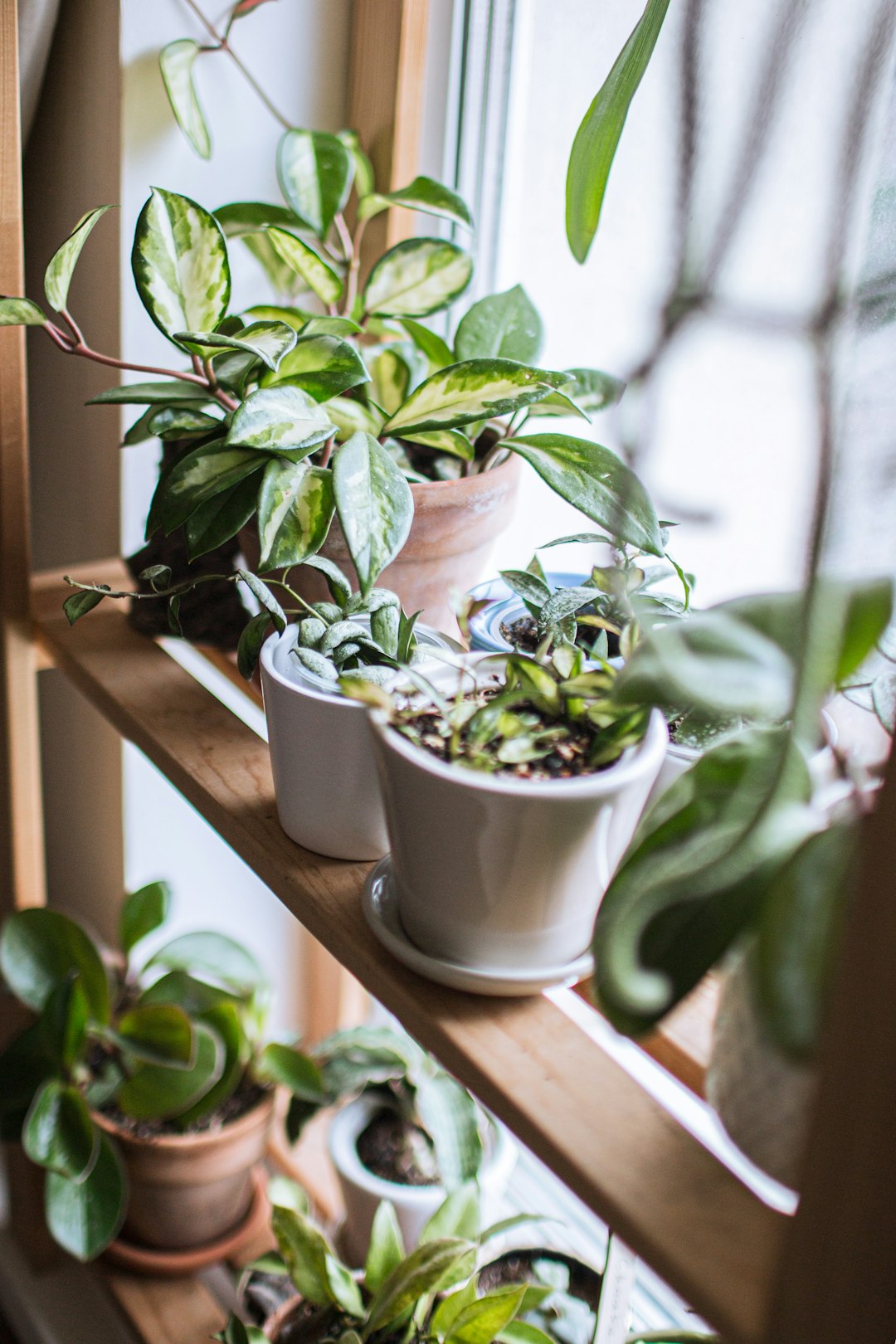
Every houseplant has a favorite spot, a watering rhythm and a few habits that surprise new owners. This page collects all 63 Wiltwatch care guides in one place, grouped by the kind of plant, so you can find the guide that matches what is sitting on your windowsill or what you are thinking of buying.
The guides each cover light, watering and soil for one plant, plus the details that set it apart, such as propagation, dormancy or blooming. Before you open one, the short section below covers the basics that apply to almost every houseplant.
Basics that apply to almost every houseplant
Light
Light is the first thing to match to the plant. University of Illinois Extension sorts houseplant light into low, medium, high and direct levels and ties each one to a window direction and a distance from the glass: a plant sitting directly in a south window gets far more light than one several feet back from a north window. The same page calls these “general guidelines,” and notes that light changes with the seasons, the sun angle, and nearby trees. In practice that means a spot that works in summer can be too dim in winter, so watch how the plant responds and adjust.
Watering
Water by checking the soil, not the calendar. Illinois Extension’s watering guidance recommends testing the soil with a finger to a depth of two inches and advises watering plants when they need it rather than on a fixed schedule. It also points out that wilting can be a sign of thirst or of overwatering, so check the soil before assuming which one it is. Our guide to telling overwatering from underwatering walks through that check.
Drainage
A pot with a drainage hole makes watering far more forgiving. Illinois Extension’s advice is to soak the soil, let the excess drain, and then empty the saucer, because a pot should not sit in a saucer of water. The same page notes that unglazed clay pots tend to need water more often than plastic ones, since clay is porous. Soggy roots are the start of root rot, which is covered in root rot in houseplants.
Humidity
Winter heating dries indoor air, and Illinois Extension’s houseplant care page notes that winter homes often have less than 30 percent humidity, which can harm some houseplants. It lists a humidifier, grouping plants together, and setting pots on pebbles in a water-filled tray (with the pots not sitting directly in the water) as ways to raise humidity. Misting helps only briefly. Plants such as ferns, calatheas and prayer plants are the ones that show dry air first.
Fertilizer
The same Illinois Extension care page says plants should be fertilized only when they are actively growing, which for most houseplants means roughly March through September, about every one to three months. Plants need little or no fertilizer in winter, a mixture should never be stronger than the label recommends, and too much fertilizer can burn roots.
When something looks wrong
If a leaf is yellow, brown, curling or dropping, the care guide for that plant is a good start, and the houseplant problems by symptom page groups the troubleshooting guides by what you can see. Gear can help too: a grow light is the usual fix for a room that is too dim, and our grow light guide compares options.
Pet safety
Many popular houseplants are listed as toxic to cats and dogs. Check any plant you bring home against the ASPCA toxic and non-toxic plant database instead of assuming it is safe, particularly if a pet chews leaves.
Easy foliage plants for lower light
These are the plants most often recommended to people who want something forgiving. Low light here means a plant that tolerates it, not a plant that thrives in the dark.
- Snake Plant Care Guide: Light, Water, and Propagation — a plant that copes with a dim spot and infrequent watering.
- ZZ Plant Care Guide: Light, Water, and Propagation — how new shoots grow and how to propagate it.
- Pothos Care Guide: Light, Water, Soil, and More — why it has a reputation as hard to kill, and how it earns it.
- Philodendron Care Guide: Light, Water, and Propagation — heartleaf philodendron basics, including why overwatering is the usual mistake.
- Chinese Evergreen Care Guide: Light, Water, and Choosing a Variety — a good pick for dark corners, with advice on choosing a variety.
- Parlor Palm Care Guide: Light, Water, and Growth Habits — a palm that tolerates low light, and where it runs into trouble.
- Spider Plant Care Guide: Light, Water, and Propagation — why the dangling plantlets are a sign of a happy plant.
- Peace Lily Care Guide: Light, Water, and Blooming — a plant that droops when thirsty and recovers after a drink.
- Lucky Bamboo Care Guide: Light, Water and Common Problems — a Dracaena sold as bamboo that can live in water, and what it reacts badly to.
Large and tree-like plants
Bigger plants make a room feel finished, and most of them mainly want a steady spot and a regular routine.
- Monstera Care Guide: Light, Water, and Fenestration — why its reputation for being demanding is mostly about getting split leaves.
- Ficus Care Guide: Fiddle Leaf Fig, Rubber Plant, and Weeping Fig — fiddle leaf fig, rubber plant and weeping fig, and why they react so differently.
- Bird of Paradise Care Guide: Light, Water, and Growing It Indoors — a forgiving plant once you stop worrying about splits in the leaves.
- Schefflera (Umbrella Plant) Care Guide: Light, Water, and Pruning for Fullness — how a hard cutback fixes a tall, bare plant.
- Ming Aralia Care Guide: Light, Water, and Finding a Permanent Spot — a plant that dislikes being moved and does best left in one spot.
- Money Tree Care Guide: Light, Water, and the Braided Trunk — why the braided trunk is not a water tank.
- Yucca Care Guide: Light, Water, and Cutting Back the Cane — when and how to cut back a cane that has outgrown its space.
- Areca Palm Care Guide: Light, Water, and Feeding a Hungry Palm — a hungry palm and what feeding it involves.
- Dracaena Care Guide: Light, Water, and Propagation — why tap water is a common cause of brown tips, and how to propagate it.
- Dieffenbachia Care Guide: Light, Water, and Propagating from Cane Cuttings — rooting cane cuttings, and handling the sap with gloves.
- Alocasia Care Guide: Light, Water, and Understanding Dormancy — what winter dormancy looks like and why not to compost the pot.
Trailing and climbing plants
Hanging baskets and shelf edges suit these, and many of them root easily from cuttings.
- English Ivy Care Guide: Light, Water, and Propagation — easy to propagate and prone to spider mites.
- Tradescantia Care Guide: Light, Water, and Propagation — one of the fastest plants to multiply from stem cuttings.
- String of Hearts Care Guide: Light, Water, and Propagation — why a bright shelf beats the bathroom, plus propagation.
- String of Pearls Care Guide: Light, Water, and Propagation — handling the delicate strands, light and propagation.
- Arrowhead Plant Care Guide: Light, Water, and Climbing Versus Trailing — how a moss pole turns a trailer into a climber.
- Hoya Care Guide: Light, Water, and Blooming — why the flower stalk should not be cut off after blooming.
- Rhipsalis Care Guide: Light, Water, and Growing It as a Hanging Plant — a trailing, spineless rainforest cactus that wants different care from a desert cactus.
- Chinese Money Plant Care Guide: Light, Water, and Propagating Pups — the pups that make it a plant people pass around.
Humidity lovers: ferns, calatheas and tropicals
These plants care more about the air than the watering can. Dry rooms are the usual reason they look ragged.
- Boston Fern Care Guide: Light, Water, and Humidity — why a ragged fern is usually asking for humidity, not water.
- Bird’s Nest Fern Care Guide: Light, Water, and Humidity — humidity needs, and why this fern is not propagated like other plants.
- Staghorn Fern Care Guide: Light, Water, and Mounting on a Board — mounting it on a board and watering it in the shower.
- Asparagus Fern Care Guide: Light, Water, and the Tubers Underneath — the tubers under the soil and how to divide them.
- Calathea Care Guide: Light, Water, and Common Varieties — humidity and distilled water for a plant with a fussy reputation.
- Prayer Plant Care Guide: Light, Water, and Humidity — the nightly leaf folding, which is normal, and humidity.
- Fittonia (Nerve Plant) Care Guide: Light, Water, and Humidity — a small, colorful plant that suits a terrarium.
- Nepenthes Care Guide: Humidity, Water, and Pitchers — drier air, mineral-rich tap water and light for pitchers.
- Air Plant (Tillandsia) Care Guide: Watering, Light, and Display Ideas — the soaking routine for a plant that has no pot or soil.
- Bromeliad Care Guide: Light, Water, and Raising the Pups — raising the pups a bromeliad produces.
Colorful and patterned foliage
Color usually depends on light and a little care, so these guides focus on keeping the leaves vivid.
- Coleus Care Guide: Light, Water, and Keeping the Color — a light-hungry plant that sulks in the cold.
- Croton Care Guide: Light, Water, and Common Varieties — how to choose among the many cultivars.
- Ti Plant Care Guide: Light, Water, and Keeping the Color Bright — keeping the color bright and starting from ti logs.
- Polka Dot Plant Care Guide: Light, Water, and Keeping It Bushy — keeping it bushy, and its short natural timeline.
- Peperomia Care Guide: Light, Water, and Common Varieties — a genus with very different leaf shapes.
- Begonia Care Guide: Light, Water, and Varieties — why rex and cane begonias need different treatment.
Succulents and cacti
Most are easy to overwater and slow to recover, so these guides lean on light and a dry-down between drinks.
- Succulent Care Guide: Light, Watering, and Propagation — why a north-facing sill leads to stretching.
- Cactus Care Guide: Light, Water, and Winter Rest — why a weekly watering schedule is the usual mistake, and the winter rest.
- Aloe Vera Care Guide: Light, Water, and Harvesting Gel — harvesting gel safely, and the latex layer just under the skin.
- Haworthia Care Guide: Light, Water, and Propagation — a succulent that prefers brighter, shaded light over blazing sun.
- Jade Plant Care Guide: Light, Water, and Growing It as a Tree — how a jade grows into a tree, and why babying it with water backfires.
- Ponytail Palm Care Guide: Light, Water, and the Water-Storing Trunk — how the swollen trunk base stores water and keeps it low-maintenance.
- Christmas Cactus Care Guide: Light, Water, and Blooming — a rainforest epiphyte that needs different care from desert cacti.
Flowering and seasonal plants
Blooms bring extra requirements, usually around light, temperature and a rest period.
- Orchid Care Guide: Light, Water, and Reblooming — why regular potting soil is a mistake, and reblooming.
- African Violet Care Guide: Light, Water, and Propagation — growing new plants from a single leaf.
- Anthurium Care Guide: Light, Water, and Blooming — why aerial roots are normal, and blooming.
- Kalanchoe Care Guide: Light, Water, and Getting It to Rebloom — why a very bright spot can be the reason it will not flower.
- Oxalis Care Guide: Light, Water, and Dormancy — its dormancy rhythm, and why constant wet soil backfires.
- Amaryllis Care Guide: Light, Water, and the Yearly Rest — what to do after the flowers fade.
- Poinsettia Care Guide: Light, Water, and Getting the Red Back — keeping one past the holidays and getting the red back.
- Cyclamen Care Guide: Cool Light, Bottom Watering, and the Summer Rest — cool air, water kept off the crown and the summer rest.
- Hibiscus Care Guide: Light, Water, and Feeding — strong light, warmth and feeding to keep buds from dropping.
- Gardenia Care Guide: Light, Water, Soil, and Blooms — bright light, humid air and acidic soil for a plant that is hard to keep flowering.
- Geranium Care Guide: Light, Water, and Blooms Indoors — bright light and a free-draining pot for zonal geraniums indoors.
Herbs
Herbs are the least forgiving of dim rooms.
- Rosemary Care Guide: Light, Water, and Airflow Indoors — dry, bright, breezy conditions and why pots go wrong indoors.
Newest guides
- Jasmine Care Guide: Light, Water, and Getting It to Bloom
- Lavender Care Guide: Sun, Dry Roots, and Airflow
How to use these guides
If you are not sure which group a plant belongs to, look for its name in the list rather than the group heading, since many plants fit more than one description. A trailing hoya is also a flowering plant, and a jade plant is both a succulent and a tree-like plant. Each guide is written to stand on its own, so you can open only the ones for the plants you own.
Light and watering advice also varies with your home. A guide can give a starting point, but the best test is the plant itself: new growth, firm leaves and steady color mean the routine is working, and changes in any of those are the cue to adjust. Make one change at a time and give the plant a few weeks to respond before changing anything else.