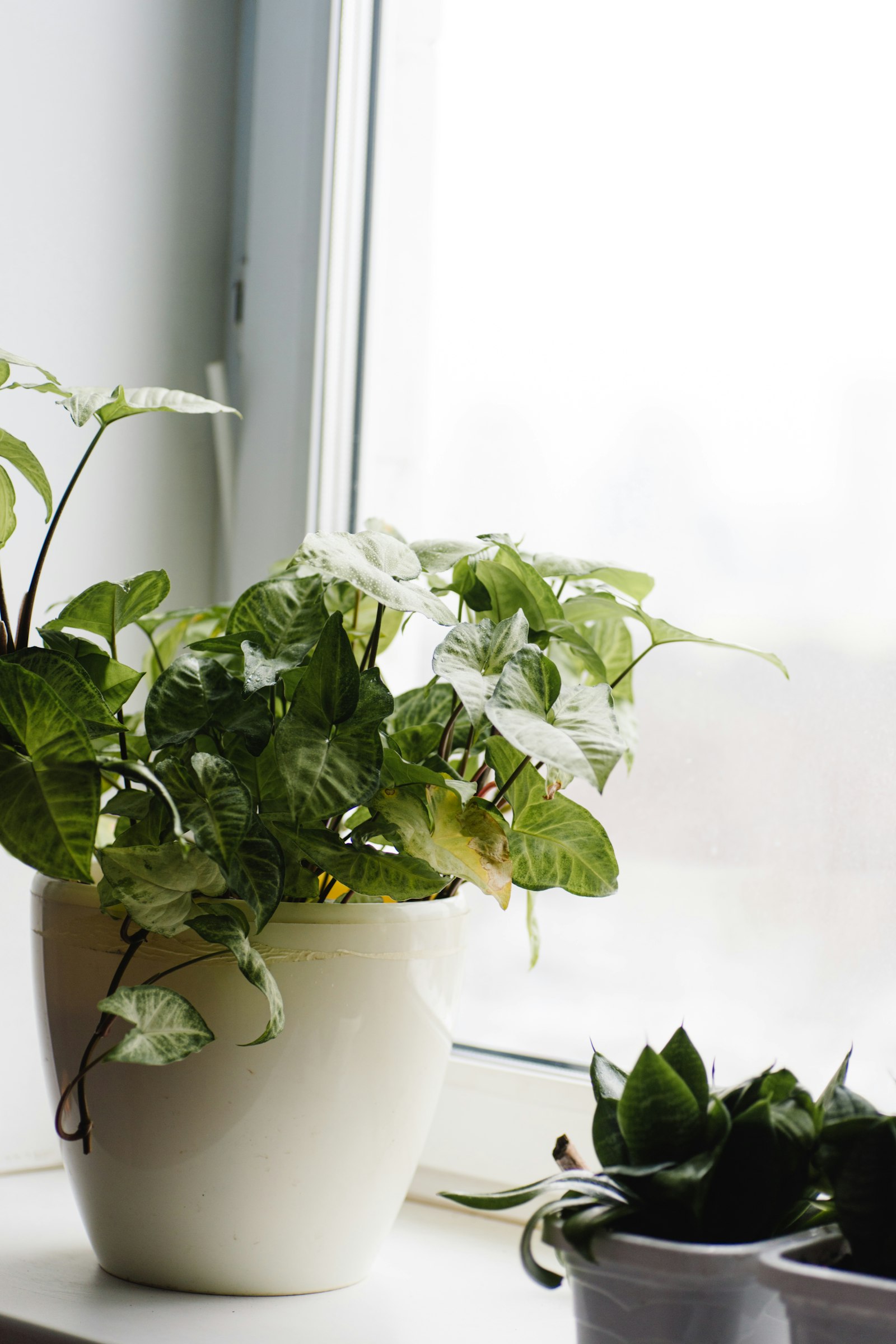
Pothos has a reputation as the plant you can’t kill, and for the most part that’s earned. A two-dollar cutting in a jar of water on someone’s desk looks too neglected to survive, yet it keeps going for years, sprawling across a bookshelf and dropping the occasional cutting into a new jar. But “hard to kill” isn’t the same as “impossible to mess up,” and there are a handful of things worth knowing if you want it to actually thrive rather than just survive.
Light
Pothos tolerates a wide range of light, which is a big part of why it’s so forgiving, but it does best in bright, indirect light. A spot near an east or north-facing window, or a few feet back from a south or west-facing one, works well. It’ll survive in fairly dim corners too, but growth slows down noticeably and variegated varieties tend to lose some of their patterning and revert toward solid green — NC State Extension notes that low light can cause loss of variegation, since the plant needs more chlorophyll to make up for the lower light.
Direct, intense sun, especially through unfiltered south or west-facing glass in summer, can scorch the leaves, so if you’re giving it brighter light, filtered or indirect is the safer bet.
Watering
Let the top inch or two of soil dry out between waterings, then water thoroughly until it runs out the drainage holes. Pothos would rather be slightly underwatered than overwatered, its thick stems and leaves hold onto moisture reasonably well, and consistently soggy soil is the single most common way people run into trouble with this plant. If you’re not sure whether it’s time to water, stick a finger an inch or two into the soil, if it’s still damp, wait.
Watering habits are behind most of the common pothos problems people run into. If leaves are yellowing, figuring out whether it’s over or underwatering is usually the first step, and if things have progressed further, root rot is worth ruling out.
Soil and potting
A standard, well-draining houseplant potting mix works fine for pothos, it isn’t particularly picky about soil composition the way some aroids are. Make sure the pot has drainage holes, since that’s a bigger factor in avoiding overwatering issues than the specific soil blend.
Pothos grows quickly and can become root bound within a year or two, especially in smaller pots. Signs include roots visibly circling the drainage holes, water running straight through without being absorbed, or growth slowing despite otherwise good care. Repotting into a container one or two sizes up, with fresh soil, usually solves it.
Humidity and temperature
Pothos is comfortable in typical household humidity and doesn’t need any special intervention on that front, though it’ll grow a bit lusher in higher humidity if you happen to have it. Normal room temperatures, roughly 65 to 85°F, are fine. It doesn’t tolerate cold well, keep it away from drafty windows or doors in winter.
Fertilizing
A balanced liquid houseplant fertilizer, diluted to about half strength, once a month during spring and summer is plenty. Pothos isn’t a heavy feeder, and it’ll grow reasonably well even with minimal fertilizing, this is more about giving it a boost during active growth than a strict requirement. Hold off on fertilizing in fall and winter when growth naturally slows.
Propagation
This is where pothos really shows off how forgiving it is. Cut a stem section with at least one node, the small bump where a leaf attaches, and place it in water or directly into moist soil. Roots typically develop within a couple of weeks in water, and once they’re an inch or two long, the cutting can go into soil. It’s a genuinely easy way to fill out a sparse plant, share cuttings, or just experiment without much risk.
Common varieties
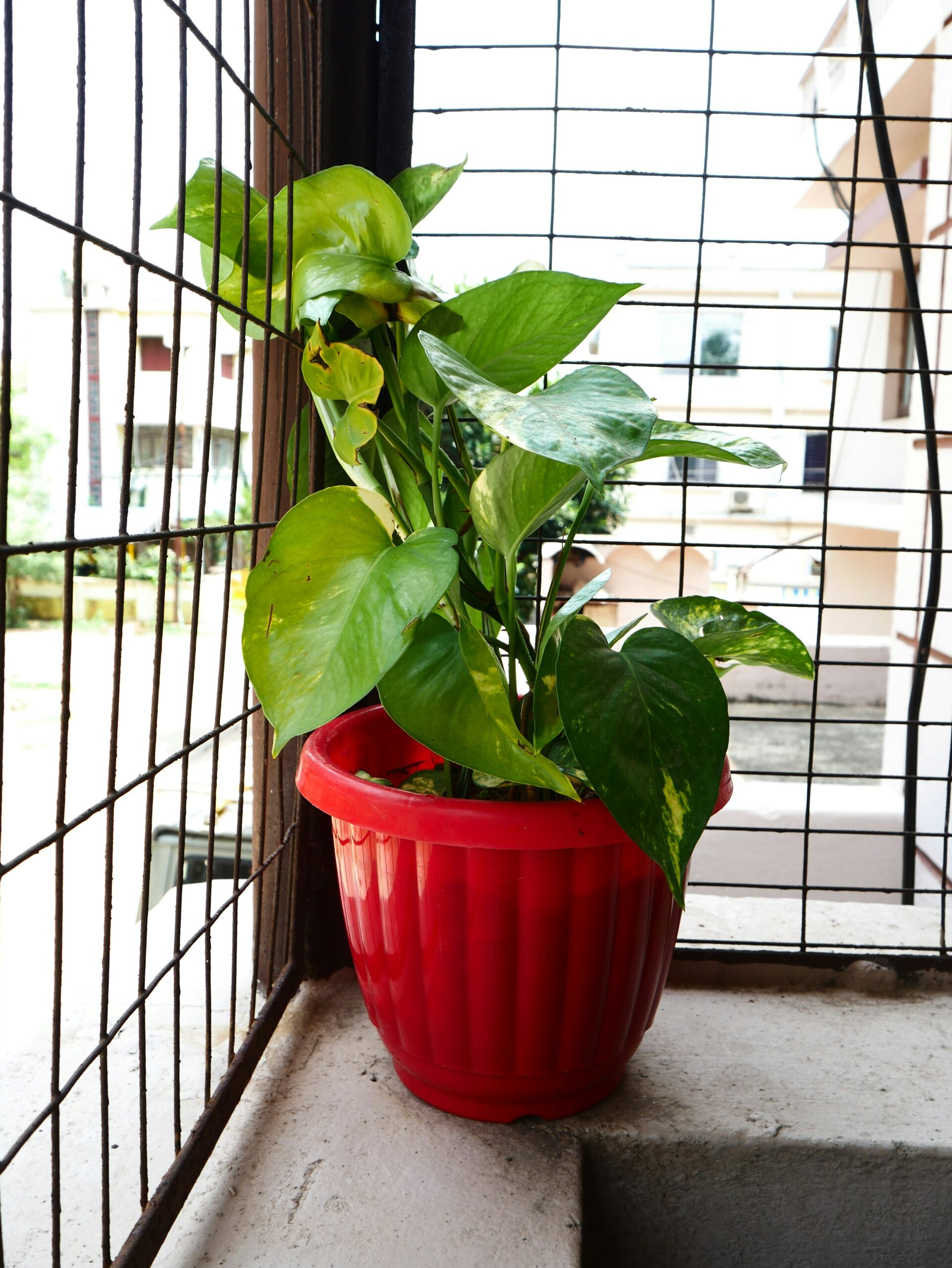
Golden pothos, with its yellow-green marbled leaves, is the classic and most widely available type. Marble Queen has a more dramatic white and green variegation and tends to grow a bit slower. Neon pothos is a solid, bright chartreuse with no variegation at all. Jade pothos is a deep solid green. You’ll also see “satin pothos” or “silver pothos” sold alongside true pothos, these are actually a different genus, Scindapsus, with a velvety, silver-speckled leaf texture, but the care is close enough to true pothos that most of this guide applies to them too.
| Variety | Leaf pattern | Notes |
|---|---|---|
| Golden pothos | Yellow-green marbled | The classic, most widely available type |
| Marble Queen | White and green variegation | Grows a bit slower than golden pothos |
| Neon pothos | Solid bright chartreuse | No variegation |
| Jade pothos | Deep solid green | No variegation |
| Satin/silver pothos | Velvety, silver-speckled | Actually a different genus, Scindapsus, not true pothos |
Common problems
A few issues come up often enough with pothos to be worth linking out to in more depth rather than covering briefly here:
- Yellowing leaves, most often overwatering, but also normal aging or occasionally low light
- Rotting cuttings in water, a different mechanism than soil-based root rot, specific to water propagation
- Curling leaves, commonly underwatering or a plant that’s become root bound
A few things people ask
Is pothos toxic to pets? Yes, the ASPCA lists pothos as toxic to cats and dogs due to insoluble calcium oxalates, typically causing oral irritation, drooling, and vomiting rather than anything life-threatening, but it’s still worth keeping out of reach of curious pets.
Can pothos live in water permanently? Yes, pothos can live indefinitely in water alone, though it tends to grow a bit slower and less full than plants grown in soil. Changing the water every week or two and giving it some diluted liquid fertilizer occasionally helps it stay healthy long-term.
How fast does pothos grow? Under good conditions, pothos is a fast grower, vines can put on a foot or more of new growth in a month during the active growing season. Growth slows considerably in low light or during winter dormancy.
Should I trim my pothos? Trimming leggy or sparse vines encourages fuller, bushier growth from the cut points, and it’s a good way to generate cuttings for propagation at the same time. There’s no wrong time to do it, just cut just above a node. Next reads: Philodendron Care Guide: Light, Water, and Propagation, Tradescantia Care Guide: Light, Water, and Propagation and Arrowhead Plant Care Guide: Light, Water, and Climbing Versus Trailing.