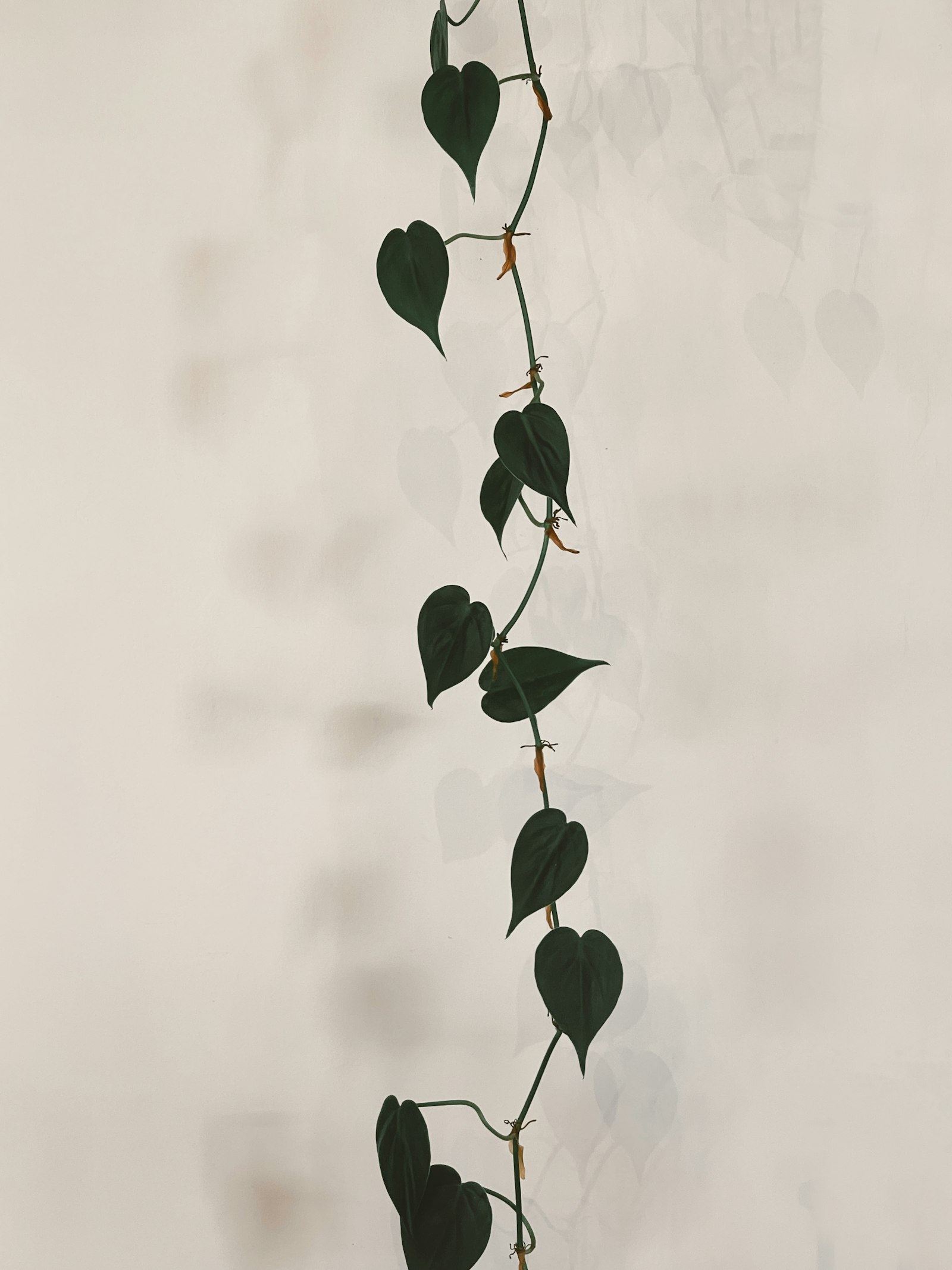
Had a pothos that had been in the same hanging pot for close to two years, growing like mad the whole time, and started noticing the newer leaves coming in slightly curled rather than the usual flat heart shape. Watered it, checked the light, nothing seemed off. Turned out the actual issue was underneath, the roots had completely filled the pot and were circling around themselves with nowhere left to go, and the plant simply didn’t have room to support the new growth properly anymore.
Pothos gets recommended constantly for how forgiving it is, and that reputation holds up, but a few different things can cause curling leaves, and because this plant grows so vigorously, one cause in particular, outgrowing its pot, shows up here more than it does with slower-growing houseplants. A quick note on names: satin pothos and silver pothos are technically a different genus (Scindapsus) than true pothos (Epipremnum aureum), but they’re commonly sold and cared for as pothos varieties, and the causes below apply to all of them.
| Symptom pattern | Likely cause |
|---|---|
| Soil bone dry, leaves curling and feeling limp | Underwatering (most common) |
| Same pot a long time, curling on newer growth specifically | Possibly root-bound |
| Curling with tiny webbing or stippled discoloration | Spider mites |
| Curling across the whole plant in dry air | Low humidity (usually secondary) |
Underwatering
The most common cause across nearly every houseplant, and pothos is no exception, even though it tolerates missed waterings better than most. Soil that’s gone dry for too long causes leaves to lose turgor pressure and curl inward as a water-conservation response, generally with a slightly limp, less firm feel to the leaf.
This is the same general mechanism covered in the overwatered vs underwatered piece. Check the soil a couple inches down, and if it’s bone dry, water thoroughly. The plant typically perks back up within a day.
Root-bound growth (a bigger factor with this species than most)
Pothos grows fast and its root system can fill a pot within a year or two of regular growth, especially if it’s never been repotted since purchase. Once roots have circled and packed the available space, the plant has a harder time taking up enough water and nutrients to support new growth, and curling on newer leaves specifically, rather than the whole plant evenly, is a common result.
This tends to show up gradually and is often accompanied by roots visible at the drainage holes or circling the surface of the soil, plus a general slowdown in new growth despite otherwise normal watering and light. Repotting into a container one size up, with fresh soil, usually resolves it within a few weeks as the plant re-establishes.
Spider mites and other pests
Less common but worth ruling out, particularly if curling is accompanied by fine webbing, tiny moving specks, or a stippled, slightly discolored look on the leaf surface. Spider mites and similar sap-sucking pests damage leaf tissue as they feed, and curling is one of the plant’s stress responses to that damage.
Check the undersides of leaves closely, ideally with a magnifying glass, since spider mites are small enough to miss at a glance. If found, isolate the plant from others, wipe down leaves, and treat with insecticidal soap or a similar product, repeating over a couple of weeks since mite eggs hatch in stages.
Low humidity
Pothos is fairly humidity-tolerant compared to many tropical houseplants, so this tends to be a secondary or contributing factor rather than the primary cause, usually showing up alongside underwatering in a home that runs dry, particularly during winter heating season.
If humidity seems like a contributing factor after ruling out the causes above, grouping plants together or running a small humidifier nearby can help, though it’s rarely the single fix on its own with this species.
A few things people ask
Is curling different for satin or silver pothos compared to regular pothos? Not meaningfully. Scindapsus varieties like satin and silver pothos are cared for very similarly to true pothos, and the same causes and fixes apply, water, pot size, pests, and humidity.
How do I know if my pothos actually needs a bigger pot? Check for roots visible at the drainage holes, roots circling the visible soil surface, or the plant drying out unusually fast between waterings, all signs the roots have outgrown the container.
Will curled leaves flatten back out? Leaves that curled from a temporary cause like underwatering usually flatten back out once watered. Leaves affected by a longer-term cause like being root-bound or pest damage often stay somewhat curled, though new growth should come in normal once the underlying issue is fixed.
Can too much light cause pothos leaves to curl? It’s possible with intense, direct sun, though pothos handles a wider range of light than many houseplants, so this is a less common cause here than with more light-sensitive species.
For the full rundown on keeping pothos happy long-term, light, watering, soil, and propagation, see the Pothos Care Guide. Next reads: Why Are My Heartleaf Philodendron’s Leaves Curling?, Why Are My Hoya’s Leaves Curling? and Why Are My Croton Leaves Curling?.