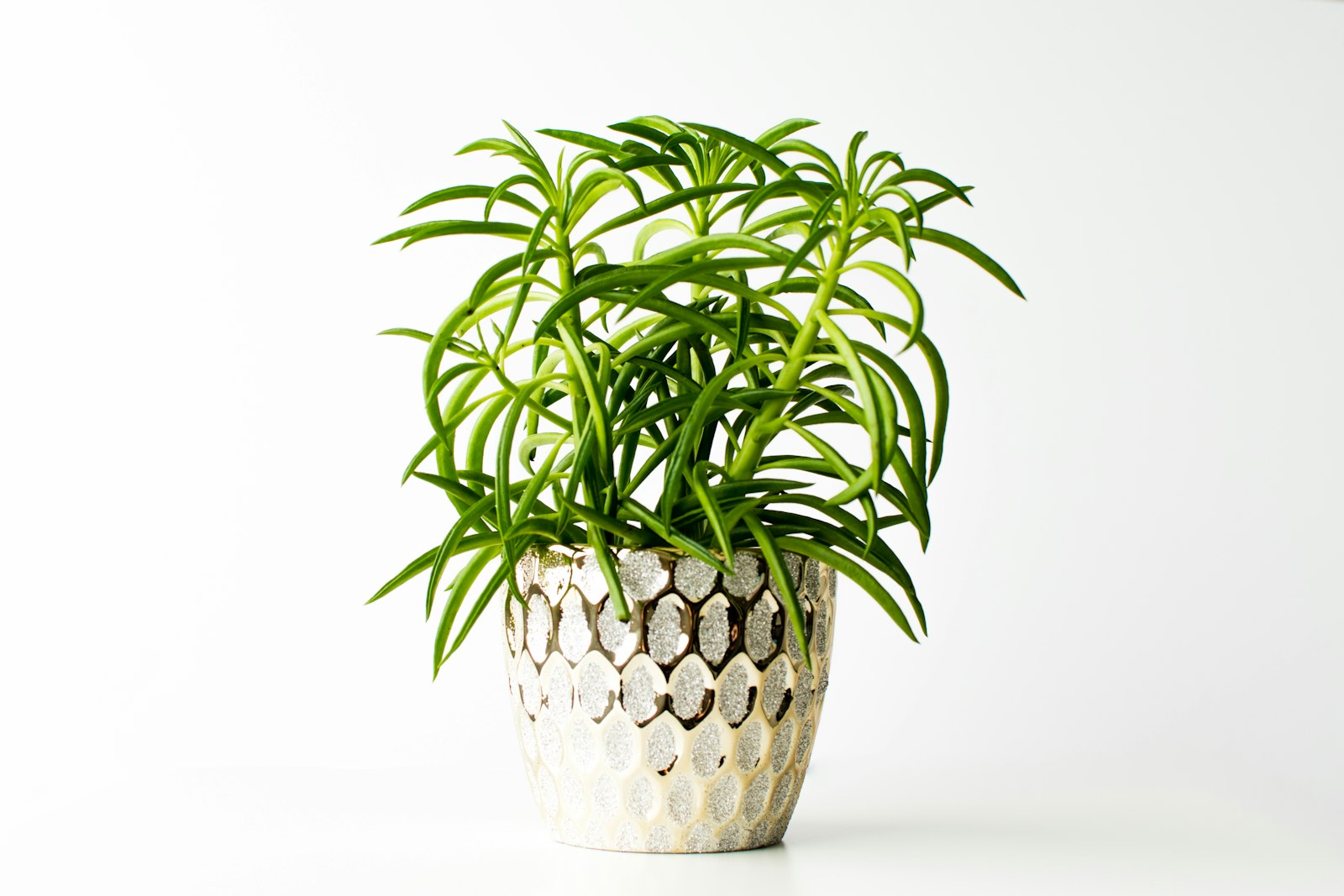
Peperomia has thick, almost rubbery leaves, so it’s easy to treat it like a succulent, watering it on the same sparse schedule as a jade plant. The leaves start curling inward and a few stems go soft near the base before the mistake becomes clear. Peperomia looks succulent-adjacent, but it doesn’t behave like one when it comes to overwatering tolerance — that thick leaf texture is misleading.
Quick triage
| Symptom pattern | Likely cause |
|---|---|
| Curling, soil damp for a while, or stems soft near the base | Overwatering (most urgent) |
| Curling, soil dry for a stretch, pot feels light | Underwatering |
| Curling with a leggy plant reaching toward a window | Low light |
| Same small pot for years, curling not tracking watering | Root-bound |
Overwatering
Despite the thick, succulent-like leaves, peperomia stores comparatively little water in them and doesn’t tolerate consistently wet soil the way an actual succulent does. Overwatering is the single most common cause of curling leaves on this plant, and it’s often made worse by the misconception that thick leaves mean drought tolerance on par with a jade plant or echeveria. If the base feels soft or mushy, root rot is worth checking for directly.
Underwatering
Letting the soil dry out completely and stay dry for an extended stretch causes the leaves to curl inward and the plant to feel noticeably lighter than usual when you pick up the pot. This tends to resolve within a day or two of a thorough watering, unlike the overwatering version, which doesn’t improve with more water and often gets worse.
Low light
Insufficient light causes peperomia to stretch toward the nearest light source, with new growth spaced further apart along the stem and leaves that curl or turn to face the window. The compact, full growth habit most varieties are known for depends on reasonably bright, indirect light, low light produces a leggier, sparser-looking plant over time.
Root bound
Peperomia has a fairly small, shallow root system and doesn’t need frequent repotting, but after a couple years in the same small pot, tightly circling roots can start to affect the plant’s ability to take up water evenly, showing up as curling that doesn’t track cleanly with your watering schedule. Checking the roots at the next scheduled repotting is worth doing if watering adjustments haven’t resolved the curling.
A few things people ask
Is peperomia toxic to pets? No, it’s considered non-toxic to cats and dogs, making it one of the safer choices in this guide series for households with curious pets.
Is peperomia actually a succulent? Not technically, though it’s sometimes called semi-succulent because of its thick, water-storing leaves. It doesn’t have the same drought tolerance or overwatering resistance as a true succulent, treating it like one is one of the most common care mistakes people make.
Why does my peperomia have wrinkled leaves instead of curled ones? Wrinkling is usually a more advanced sign of underwatering than simple curling, the leaf has lost enough internal moisture that its surface has started to pucker. A thorough watering typically plumps the leaves back up within a day or two if caught early.
How do I tell overwatering from underwatering just by touch? An underwatered leaf feels thin and slightly papery even though it’s still curled tight, while an overwatered leaf or stem feels soft, sometimes almost squishy, this difference in firmness is more reliable than appearance alone.
For a full rundown of light, watering, soil, and common varieties, see our peperomia care guide. Next reads: Why Are My Money Tree’s Leaves Curling?, Why Are My Calathea Leaves Curling? and Why Are My Hoya’s Leaves Curling?.