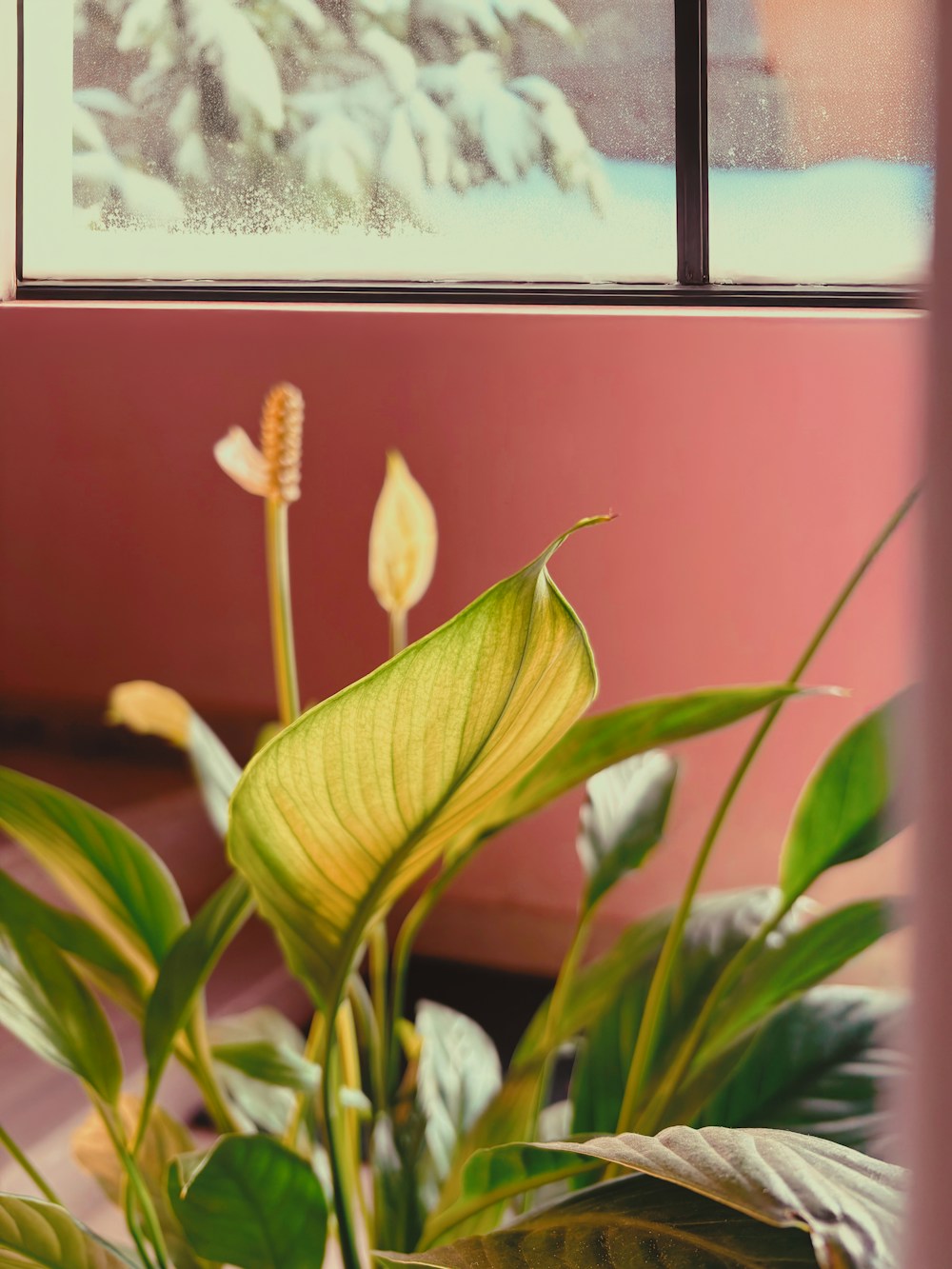
Houseplants drop leaves in winter mostly because the indoor environment changes: shorter, dimmer days, dry heated air, cold drafts and a watering routine that no longer matches slower growth. A few shed leaves are normal. Losing many at once usually points to one of those four causes, and each one can be confirmed by looking at where the plant sits and how the soil feels.
If you came home to a ring of fallen leaves under a ficus, a pothos or a peace lily sometime after the heating went on, the first instinct is often to water more or to move the plant somewhere new. Both can make things worse. A better first step is to work out which kind of leaf drop this is.
Quick triage
- Is it only a few older, lower leaves? Iowa State Extension notes that losing a few older inner leaves on an otherwise healthy plant is not a concern, and NC State Extension says some winter leaf drop is completely normal because of lower light and slower growth.
- Did the plant move recently? A quick change from bright to dim light can trigger leaf drop, and some plants, weeping fig among them, can react even to a small change.
- Is the soil wet a few inches down or bone dry? Extension sources list both too-wet and too-dry conditions as causes.
- Is the plant near a vent, radiator, exterior door or cold glass? Drafts and temperature swings are a listed cause.
1. Less light and a slower plant
Daylight is shorter and weaker in winter, so most plants grow slowly or pause. NC State Extension calls some leaf drop at this time completely normal. Older leaves that are no longer paying their way are the first to go, usually from the bottom of the plant, while the new growth at the top stays healthy.
What helps: move the plant closer to a bright window, keep the glass clean, or add a grow light (see the grow light guide). Move it gradually where possible, because a sudden change in light intensity can cause its own leaf drop.
2. Overwatering when growth has slowed
NC State Extension points out that most houseplants need less water in cold months because growth slows and evaporation decreases, and it names overwatering as one of the most common winter mistakes. Soil that stays wet leaves roots short of air, and the plant responds by dropping leaves, often after yellowing first.
What helps: let the soil dry between waterings, using the top inch as a simple check, and make sure the pot has drainage holes. If the soil smells sour or the stems are soft at the base, the problem has gone past leaf drop; the root rot guide covers rescue steps.
3. Cold drafts and temperature swings
Iowa State Extension lists drafts from doors, heat vents and windows as a cause of leaf drop and warns that plants trapped between a window and a curtain are at risk. NC State Extension advises keeping plants away from cold drafts, heating vents and fireplaces because houseplants prefer stable temperatures.
What helps: pull plants a little way back from cold glass at night, move them away from vents, and keep them out of the path of the front door.
4. Dry indoor air
Iowa State Extension says low humidity, which is common in most homes, can cause leaf drop. Heating makes winter air drier still. Crisp edges or tips on leaves before they fall are a clue that dryness is involved. Grouping plants together, using a humidifier (see the humidifier guide) and keeping plants off radiators all help.
5. Fertilizer and other stress
Iowa State Extension also lists under-fertilizing as a leaf drop cause. In winter, though, slow growth means plants rarely need extra feeding, so this is a less likely explanation than light, water, drafts or dry air. Check the other causes first.
6. Moving the plant or changing its spot
Iowa State Extension notes that moving a plant quickly from bright to darker locations can cause leaf drop, and that some species, weeping fig among them, may drop leaves after even a minimal light change. Autumn is the usual trigger: plants come in from a porch or move away from a summer window, and the leaves that were grown for brighter conditions fall as the plant adjusts.
What helps: after the move, leave the plant where it is and keep the routine steady. Repeated rearranging adds a new adjustment each time. If the plant needs more light, shift it closer to the window in stages over several weeks, which is the adjustment period Iowa State describes.
What not to do while leaves are falling
Resist changing everything at once. Moving the pot, watering heavily, feeding and repotting in the same week makes it impossible to tell which change helped and adds stress on top of the original problem. Change one thing, wait, and watch whether new leaves keep dropping. A plant that has stopped losing leaves and shows fresh growth at the tips is recovering, even if the bare stems look sparse for a while.
How the causes compare
| Cause | What you usually see | How to confirm |
|---|---|---|
| Less light, slower growth | A few older lower leaves drop; top growth looks fine | Plant sits far from a window; loss is gradual |
| Overwatering | Yellowing, then leaves fall; soil stays wet | Soil still damp well after the usual watering day |
| Cold drafts | Leaves fall on the side facing the cold source | Plant near a vent, door or cold glass |
| Dry air | Crisp tips or edges before leaves fall | Plant near radiator or heating vent |
| Sudden move | Leaves drop soon after relocating | Timing matches a change in location or light |
A simple winter routine to prevent it
- Keep plants in the brightest spot they can tolerate, and avoid moving them repeatedly.
- Water only when the top inch of soil is dry.
- Keep plants away from vents, radiators, fireplaces and cold glass.
- Raise humidity by grouping plants or using a humidifier.
- Remove fallen leaves from the soil surface so they do not hold moisture.
Plants that commonly react include ficus, schefflera and peace lily. For other symptoms, browse the symptom-by-symptom troubleshooting guide or the care guides by plant.
A few things people ask
Is it normal for a houseplant to lose leaves in winter?
Some leaf drop is normal, according to NC State Extension, because of lower light and slower growth. Losing a few older leaves from a healthy plant is not a worry. Heavy or sudden loss deserves a closer look.
Should I water more when leaves are falling?
Not by default. Both wet and dry soil can cause leaf drop, so check the soil first. In winter, overwatering is a common mistake because plants use less water.
Will the leaves grow back?
Fallen leaves do not reattach, but a plant that is otherwise healthy usually puts out new growth once light increases and conditions steady.
Should I move the plant to a brighter window?
Brighter light often helps in winter, but sudden changes can cause leaf drop too. Where possible, adjust gradually over a few weeks.
Sources: Iowa State Extension, Diagnosing Houseplant Problems from Improper Environmental Conditions; NC State Extension, Winter Care Tips for Healthy Houseplants. Next reads: Houseplant Leaves Going Crispy Near a Heater or Radiator: Causes and Fixes, Why Is My Jade Plant Dropping Leaves? and Why Is My Boston Fern Turning Brown or Losing Leaves?. See every guide in Houseplant Problems by Symptom.