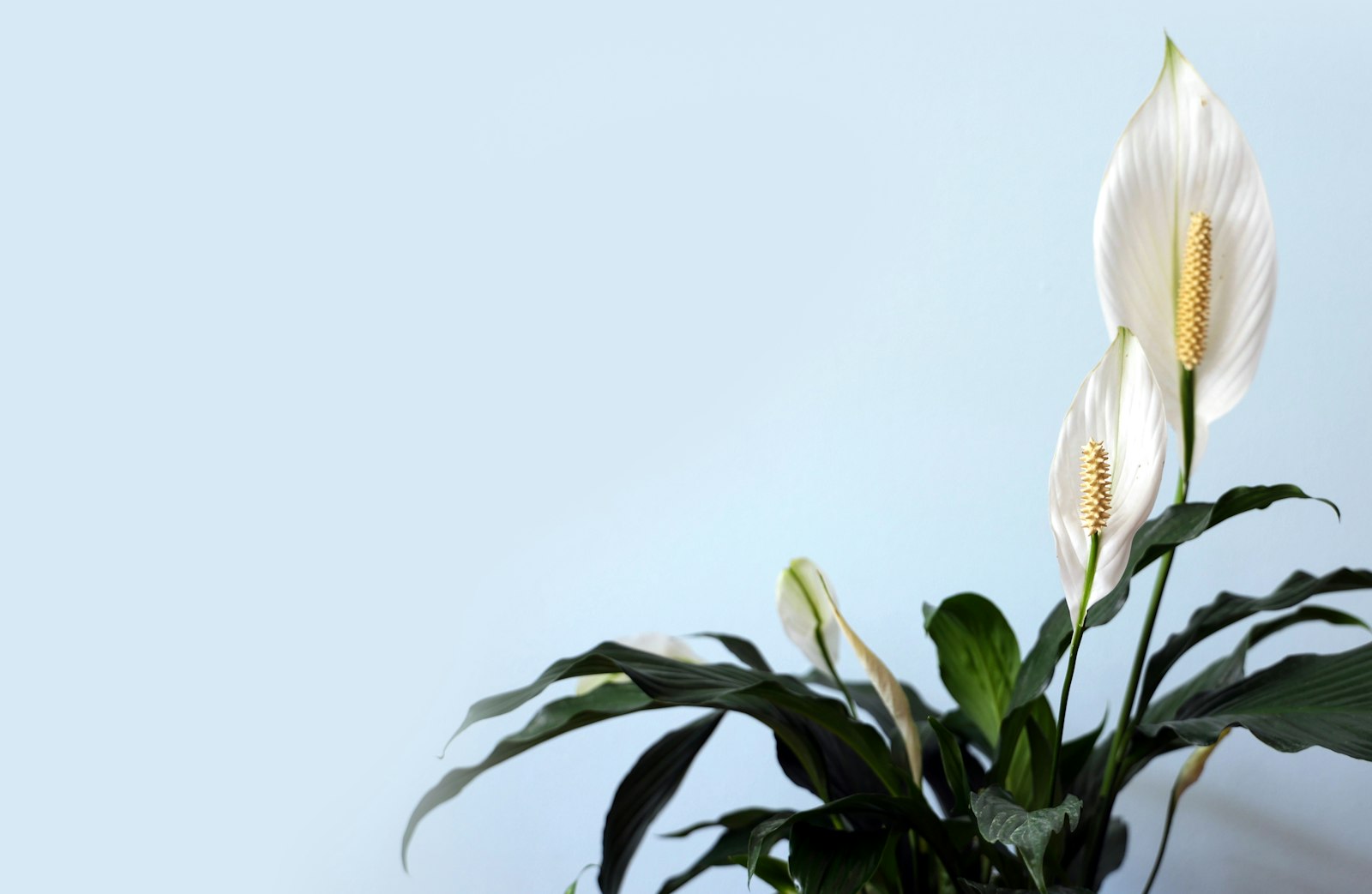
A peace lily with brown, crispy tips on pretty much every leaf no matter what is tried — consistent watering, no direct sun, even a nearby humidifier — often has a cause nobody thinks to check: the tap water. Peace lilies are famously sensitive to the fluoride most municipal water supplies add. Switching to distilled water for a couple of months commonly lets new leaves come in with clean tips.
Brown tips are close to a universal peace lily complaint, and the frustrating part is that the internet mostly jumps straight to “underwatering,” which is a real cause but far from the only one. There are four distinct things that commonly cause this, and the fix is completely different depending on which one you’re actually dealing with.
Quick triage: tips crispy and brown, soil’s been drying out a lot between waterings, maybe some drooping too? Underwatering or low humidity, most likely, check below. Brown tips despite consistent watering and no drooping, especially if you use tap water? Water chemistry, keep reading, this one surprises people. White, crusty buildup on the soil surface along with the browning, and you fertilize fairly often? Salt buildup. Brown patches more on one side of the plant, closest to a window? Too much direct light.
| Cause | Symptom | What to do |
|---|---|---|
| Underwatering or low humidity | Tips crispy and brown, soil dries out a lot, maybe some drooping | Water when soil is dry an inch down; raise humidity |
| Water chemistry | Browning despite consistent watering, no drooping, tap water used | Switch to distilled, filtered, or rain water |
| Salt buildup | White crusty buildup on soil surface, frequent fertilizing | Flush soil thoroughly; fertilize less often, at half strength |
| Too much direct light | Brown patches concentrated on the side facing a window | Move to bright indirect or moderate light |
Underwatering and low humidity
The most commonly cited cause, and often correct, especially since peace lilies are known for wilting dramatically when they’re thirsty, which tends to get people watering more attentively than other plants, but the tips can still brown from the stress even once you catch the drooping.
Consistently letting the soil get too dry, or keeping the plant in persistently low humidity (common near heating vents in winter), causes leaf tips specifically to die back first, since they’re the furthest point from the plant’s water supply and the first tissue to suffer when moisture is tight. If you’re not sure whether you’re dealing with too little water or too much, the overwatered vs. underwatered piece covers the actual soil check.
Water when the soil’s dry an inch or so down rather than on a fixed schedule, and consider a humidifier or grouping plants together if the room runs dry, particularly in winter. This won’t fix tips that are already brown, but it stops new growth from developing the same problem.
Tap water chemistry (fluoride and chlorine)
This one is more common than people realize, because it happens even with otherwise perfect care. Peace lilies are specifically sensitive to fluoride, which many municipal water systems add, along with chlorine and chloramine used for treatment. These chemicals accumulate in the leaf tissue over repeated waterings and cause tip burn that looks a lot like underwatering damage but shows up regardless of how consistent your watering actually is.
The giveaway here is that the browning happens despite genuinely good watering habits, no drooping beforehand, and it tends to affect leaf tips specifically and fairly evenly across the plant rather than concentrated on one side. Switching to distilled water, filtered water, or rainwater, or simply letting tap water sit out uncovered for 24 hours before using it (which lets some chlorine dissipate, though not fluoride), usually resolves it over a few weeks of new growth. Existing brown tips can be trimmed off with clean scissors if the look bothers you, following the natural point shape of the leaf rather than cutting straight across.
Fertilizer salt buildup
Peace lilies don’t need much fertilizer, and over-fertilizing, or fertilizing a plant that isn’t actively using much of it due to low light, leads to mineral salts accumulating in the soil faster than watering flushes them out. These salts draw moisture out of root tips and leaf tips through osmotic stress, causing the same kind of browning as the other causes here.
The tell is usually a white or light-colored crusty buildup visible on the soil surface or around the drainage holes, combined with a fertilizing habit that’s been fairly frequent or generous. Flushing the soil thoroughly with plain water (enough to run through the pot several times) helps clear built-up salts, and cutting back to feeding only during the active growing season, at half the recommended strength, prevents it from recurring.
Too much direct light
Peace lilies are shade-tolerant plants by nature, comfortable in lower light than most houseplants, which means direct sun is more likely to be a problem for them than insufficient light. Direct sun, especially through south or west-facing glass, scorches the leaf tips and edges rather than the more central browning you’d see from water or chemical stress.
This tends to be noticeably worse on whichever side of the plant faces the light source, with the shaded side looking comparatively fine. Moving the plant to a spot with bright indirect or even moderate light resolves it, and peace lilies generally do better a few feet back from a bright window than right up against the glass.
A few things people ask
Should I just cut off all the brown tips? You can trim them for appearance, following the leaf’s natural pointed shape rather than cutting straight across, but it’s cosmetic only, it doesn’t treat the underlying cause. If you don’t fix what’s actually causing it, new growth will brown the same way.
Is filtered water actually worth it, or is that overkill? For a plant that’s showing tap-water sensitivity specifically, yes, it genuinely helps, and it’s a fairly small habit change. For a peace lily that’s not showing this issue, there’s no need to switch just preventively.
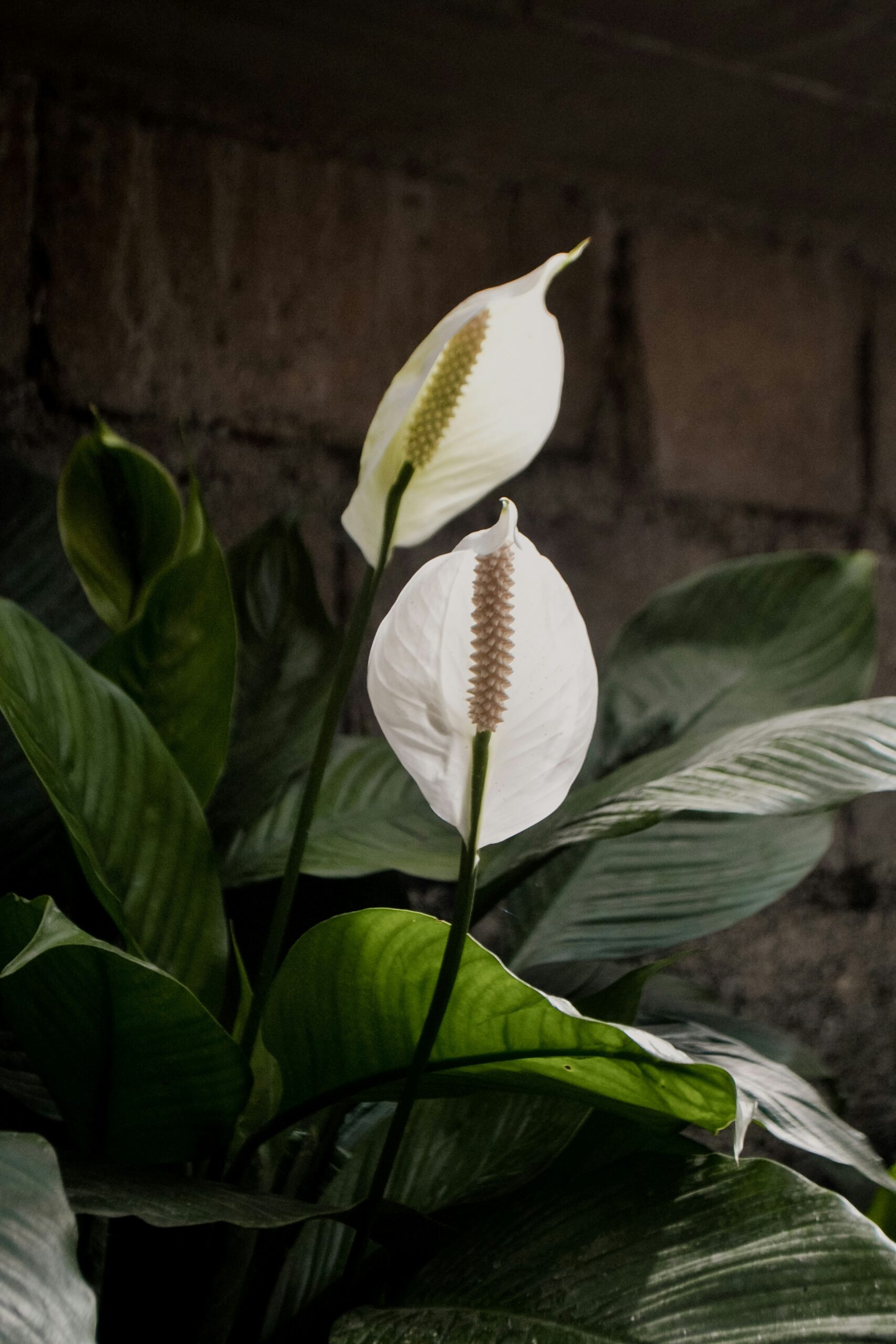
My peace lily’s flowers are turning brown too, not just the leaves. Same cause? Often yes, browning flowers (technically the white spathe) tend to respond to the same water chemistry and light stress as leaf tips, though aging flowers naturally brown and die back over a few weeks regardless, which is normal and not a symptom of anything.
How do I know if it’s actually root rot and not just brown tips? Brown tips alone, with the rest of the plant looking upright and healthy, is a leaf-level issue, not a root problem. If you’re also seeing yellowing, wilting despite wet soil, or a mushy feel at the base of stems, that points toward root rot instead, which is a different and more serious issue to address.
For the full rundown on keeping peace lily happy long-term, light, watering, soil, and propagation, see the Peace Lily Care Guide. Next reads: Why Does My Spider Plant Have Brown Tips?, Why Does My Dracaena Have Brown Tips? and Why Are My Bird of Paradise’s Leaves Turning Brown?.