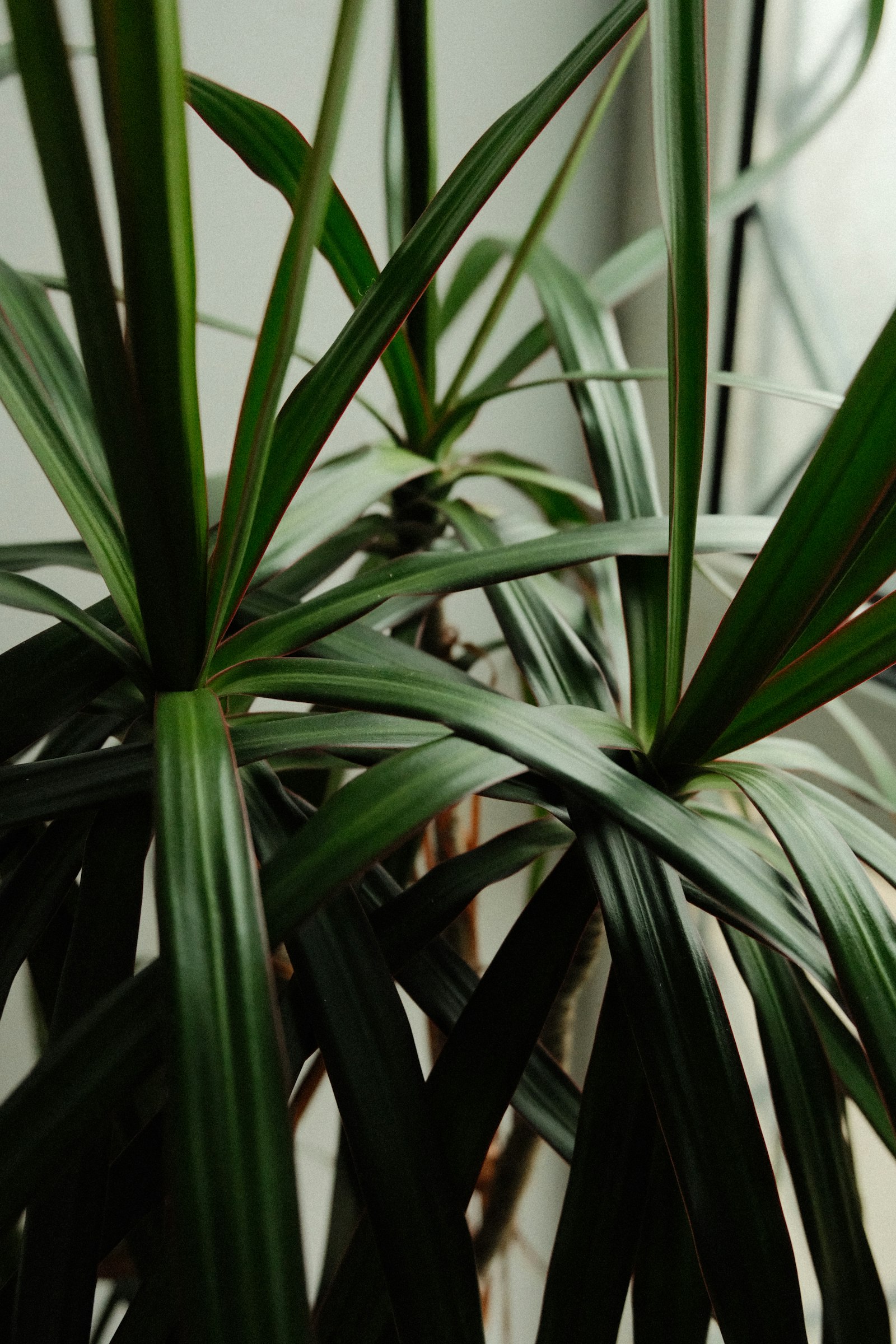
Dry brown tips on nearly every leaf send most people through the usual list: check the soil moisture, move the plant away from the heating vent, even up the humidity with a pebble tray. When none of that helps, the tap water is the next thing to look at. Dracaenas are among the more fluoride-sensitive houseplants, and water chemistry is something few people think of as a houseplant problem until everything else has been ruled out.
Brown tips on dracaena leaves come down to four main causes, and they’re distinguishable mostly by pattern and what else is going on with the plant: fluoride sensitivity from tap water, underwatering or low humidity, fertilizer salt buildup, and normal aging on the oldest leaves. Dracaenas are unusually well known among houseplant growers specifically for the fluoride issue, more so than most other common houseplants, which makes it worth ruling in or out early rather than last.
| Symptom pattern | Likely cause |
|---|---|
| Thin, dark brown tips with a faint yellow halo, gradual across many leaves, tap water used | Fluoride sensitivity |
| Dry, crispy, pale brown tips with dry soil or a dry room | Underwatering or low humidity |
| White or yellowish crust on the soil surface, brown tips and margins | Fertilizer salt buildup |
| Browning limited to the oldest, lowest leaves only | Normal aging |
Fluoride sensitivity
Dracaenas, along with a handful of other houseplants like peace lilies, are known for reacting to the fluoride commonly added to municipal tap water, but dracaenas in particular are singled out in a lot of houseplant literature as one of the most sensitive genera to this specific issue. Fluoride accumulates in the leaf tissue over time and tends to concentrate at the leaf tips and margins, since that’s where water transported through the leaf ultimately ends up, causing a thin band of brown, sometimes with a subtle yellow halo bordering the damage.
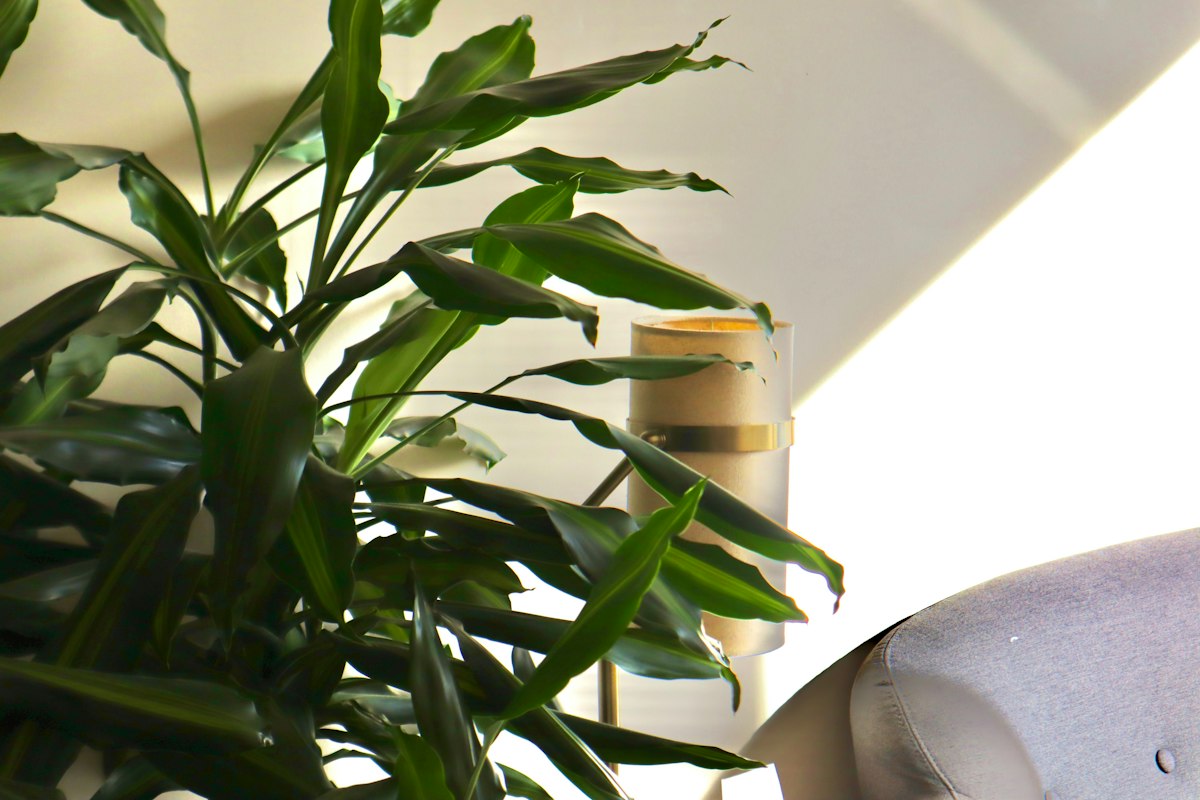
The pattern that points here: gradual, widespread tip browning across many leaves over weeks or months, regardless of how consistent your watering has been, especially if you’re on municipal tap water. Switching to filtered water, distilled water, or rainwater going forward won’t reverse existing damage, but it typically prevents new tips from browning. Some growers also find letting tap water sit out uncovered for 24 hours helps somewhat, since it allows chlorine to dissipate, though this does less for fluoride specifically.
Underwatering or low humidity
Dracaenas are fairly drought-tolerant compared to a lot of houseplants, but consistently letting the soil go too dry for too long, or keeping the plant in persistently dry air, can cause tips to dry out and brown. This tends to produce a drier, more papery, pale brown discoloration compared to the darker, thinner band typical of fluoride damage, and it’s usually a bit less uniform across the plant.
Check the soil moisture and your watering frequency first. If the plant has been going long stretches between waterings, or sits somewhere dry and drafty, watering more consistently and, if the room runs dry, adding some humidity should help new growth come in cleaner. If overwatering feels more likely instead, soft yellowing lower leaves and mushy stems point toward root rot rather than this.
Fertilizer salt buildup
Over-fertilizing, or fertilizing regularly without ever fully flushing the soil, causes mineral salts to accumulate in the potting mix over time. This shows up as brown tips and often brown edges too, sometimes accompanied by a visible white or yellowish crust on the soil surface or around the pot’s drainage holes, a well-documented sign of high soluble salts in the growing medium.
If you’ve been fertilizing on a regular schedule without flushing, this is a likely culprit alongside or instead of fluoride. Flush the soil thoroughly with plain water, letting it run through the drainage holes several times, and cut back on fertilizer frequency, dracaenas are relatively light feeders and don’t need much.
Normal aging
Like most houseplants, dracaenas naturally shed their oldest, lowest leaves over time as part of normal growth, and this can include some browning and tip dieback on those specific leaves before they drop. This is limited to the very oldest growth at the base of the plant and doesn’t affect the newer leaves higher up.
If it’s just a leaf or two at the very bottom, and everything else on the plant looks healthy, this is likely just normal aging and doesn’t need any intervention beyond trimming the affected leaf if you want to tidy the plant’s appearance.
A few things people ask
Should I trim brown tips off my dracaena? You can, for appearance, by cutting along the natural shape of the leaf tip with clean scissors. It won’t reverse or regrow, but it also won’t harm the plant, and many people prefer the cleaner look.
Does bottled water fix the fluoride problem? Most bottled water is low in fluoride and works fine, though it’s worth checking the label if you want to be sure, since fluoridation policies vary. Distilled or reverse-osmosis filtered water are the most reliable options.
Are all dracaena varieties equally fluoride-sensitive? Sensitivity varies somewhat by variety, with some, like Dracaena marginata, often reported as more visibly affected than others, but the general recommendation to use low-fluoride water applies across the genus.
Can brown tips spread to the rest of the leaf if untreated? With fluoride or fertilizer-related browning, the damage is usually confined to the tip and doesn’t spread further into the leaf, though new leaves will continue developing the same tip damage if the underlying cause isn’t addressed.
For the full rundown on keeping dracaena happy long-term, light, watering, soil, and propagation, see the Dracaena Care Guide. Next reads: Why Are My Ti Plant Leaves Turning Brown?, Why Does My Parlor Palm Have Brown Tips? and Why Is My Ponytail Palm Turning Brown or Dying?.