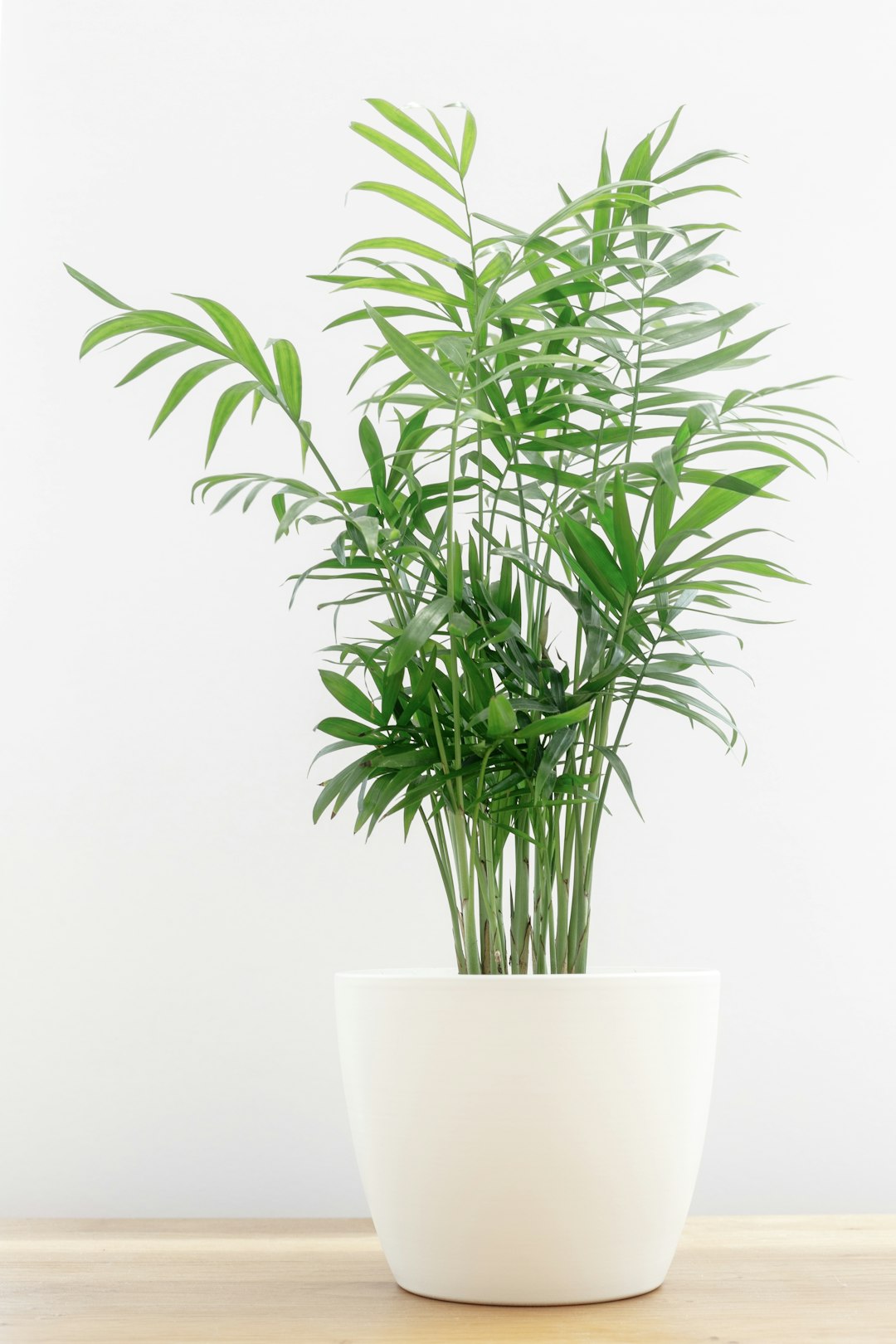
A parlor palm on top of a bookcase a few feet from a radiator is a good example of how easy it is to blame the wrong thing. Every week a few more frond tips go brown and crispy, and every week they get trimmed and the water gets switched — to a different jug of filtered water, then rainwater, then bottled. Nothing changes, because the water source was never the main problem. What actually fixes it is moving the plant away from the heat and getting more consistent about when it is watered.
Brown tips on a parlor palm are one of the most common complaints about this plant, and they are usually not a sign that it is dying. They are a sign that something in its routine is a little off, and the fronds are recording it. The trick is working out which something, because the fixes are different.
One thing to know before you start: a brown tip will not turn green again. The goal is to stop new ones forming. If the new fronds coming up from the centre stay clean, you have solved it, even if the old ones still look scruffy.
Quick triage
Are only the very tips brown and crispy, with the rest of the frond a healthy green? Start with dry air and uneven watering. This is the most common pattern by a long way.
Is the brown spreading back from the tip, with a yellow band between the brown and the green, and does the soil stay damp for a week or more? Look at overwatering and the roots first.
Are the brown edges on fronds that face a window, sometimes with pale or bleached patches? That points to too much direct sun.
Do you see a white crust on the soil or the rim of the pot, and do you fertilize regularly? Salt buildup is a strong suspect.
Is it only the lowest, oldest fronds going brown all over, one at a time, while new ones keep coming? That is normal aging. Cut them off at the base and move on.
Dry air and uneven watering
Parlor palms come from the understory of rainforests in southern Mexico and Central America, where the air is humid and the soil never really dries out hard. Indoors, especially in winter with the heating on, the air can drop well below 30 percent humidity. The frond tips are the furthest point from the roots and the first place to lose moisture faster than the plant can replace it, so that is where the damage shows.
It gets worse when watering swings between bone dry and soaked. A parlor palm that goes completely dry for a few days, then gets a big drink, then goes dry again, will almost always have brown tips. The plant simply prefers steady.
What helps:
- Move it away from radiators, heat vents, and air conditioning outlets. Even a few feet makes a real difference, and it is often the whole fix.
- Water when the top inch or so of soil is dry, not when the whole pot is dry. Parlor palms like to stay lightly moist.
- Group it with other plants, or run a humidifier nearby in winter. Our humidifier guide covers what actually works for a room full of plants. Misting feels helpful but the effect lasts minutes, so it is not worth relying on.
Overwatering and root trouble
This is the one that can actually kill the plant, so it is worth ruling out properly. Parlor palms like moisture, which leads a lot of people to keep them wet. But there is a difference between lightly moist and waterlogged, and a palm sitting in soggy soil in a pot with no drainage hole will start losing roots.
The signs look a bit different from dry-air browning. The brown tends to spread further down the frond, there is often a yellow band where brown meets green, and whole fronds can yellow and flop. The soil stays wet for a week or longer, and it may smell sour. If you slide the plant out of the pot, healthy roots are firm and pale, while rotting ones are dark, mushy, and pull apart easily.
If the soil is soggy, stop watering until the top couple of inches dry out, and make sure the pot drains. If the roots are clearly rotting, trim the soft ones away and repot into fresh, well-draining mix. There is a full walkthrough in root rot in houseplants, and if you are not sure which side of the line you are on, this guide to overwatered vs underwatered is a good place to start.
Too much direct sun
Parlor palms are famous for tolerating low light, and that reputation leads to the opposite mistake too: people assume they are tough and park them in a sunny south or west window. The fronds are thin and not built for strong direct sun. You get brown, dry edges and tips, and sometimes pale, washed-out or yellowish patches on the side facing the glass.
Move it back from the window, or behind a sheer curtain. Bright, indirect light, or even a fairly dim corner, suits it much better. Some early morning sun is fine.
Salt and mineral buildup
Tap water is rarely the main cause of brown tips, but it can contribute, especially if you have hard water and also fertilize often. Dissolved salts and fertilizer residue build up in the soil over time, and the plant pushes them out toward the tips of the fronds, where they burn the tissue.
A white crust on the soil surface or around the pot rim is the giveaway. The fix is to flush the pot: take it to the sink or bathtub and run water through it slowly for a couple of minutes, letting it drain out fully. Do that every few months. And go easy on fertilizer. Parlor palms are light feeders, and a diluted feed a few times over spring and summer is plenty.
If your water is very hard or softened (softened water carries sodium, which palms really dislike), switching to filtered water or rainwater can help, but only once you have sorted out humidity and watering. Otherwise you end up changing water jugs and wondering why nothing works.
Should you cut off brown tips?
You can, and it does make the plant look better. Use clean, sharp scissors and follow the natural shape of the leaflet, cutting at an angle so it still comes to a point. Leave a very thin line of brown rather than cutting into the green, because cutting into live tissue tends to create a fresh brown edge. For fronds that are mostly brown, cut the whole frond off near the base of its stem.
A few things people ask
Is a brown tip a sign my parlor palm is dying?
Almost never on its own. Brown tips are a stress signal, not a death sentence. A palm that is genuinely in trouble usually shows soft stems at the base, lots of yellowing fronds at once, or no new growth at all. If new fronds are still coming up clean and green, the plant is fine.
Why are the brown tips only on the oldest fronds?
Older fronds have been exposed to your conditions the longest, and the lowest ones naturally age and die off as the palm grows. If the new fronds stay clean, it is either normal aging or an old problem you have already fixed.
Will repotting fix brown tips?
Only if the problem is the roots or the soil. Parlor palms actually like being a bit snug in their pot and resent being disturbed, so do not repot just because of brown tips. Repot if the roots are rotting, the soil is badly compacted, or the roots are circling out of the drainage hole.
My parlor palm came from the store with brown tips already. Is that my fault?
No. Store palms often spend weeks in dry, drafty shops and get watered erratically. Judge it by the new growth over the next couple of months, not by the fronds it arrived with. There is more on the whole routine in our parlor palm care guide.
Once the brown tips have stopped, the rest is mostly routine. Our complete parlor palm care guide covers light, watering, humidity, and why the plant in your pot is really a crowd of separate seedlings. Next reads: Why Are My Ti Plant Leaves Turning Brown?, Why Are My Areca Palm Leaves Turning Yellow? and Why Does My Dracaena Have Brown Tips?.