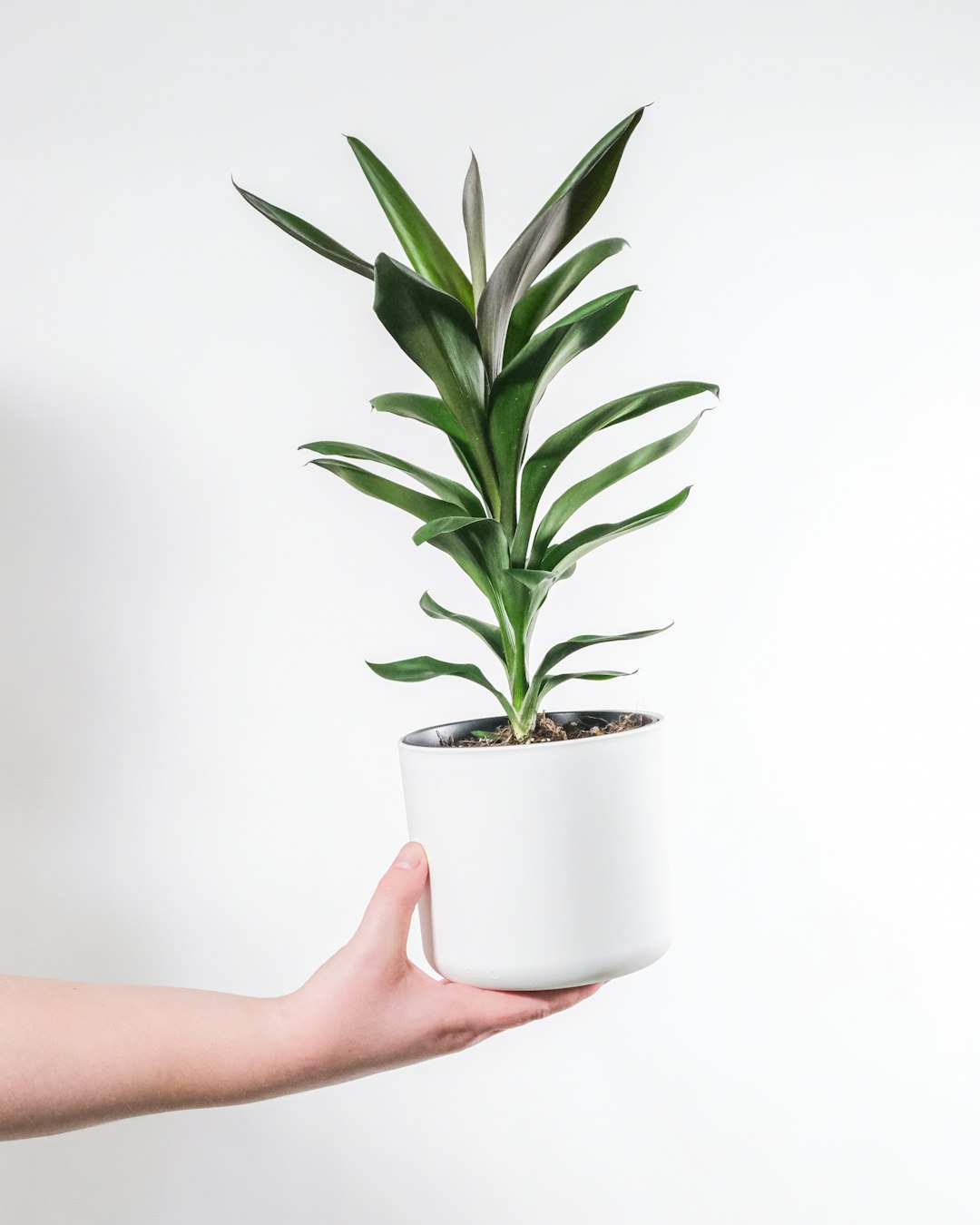
A ti plant picked up at the grocery store because it was red and cheap tends to follow a familiar pattern. It goes on the bathroom windowsill, it gets watered from the tap every few days because the tag says it likes moisture, and within a month nearly every leaf has a brown tip, each with a thin yellow band behind it, like a scorch line. Misting it, moving it, and watering it more change nothing — because the problem is not any of those things.
Tap water is the first thing to rule out. Many cities add fluoride, and ti plants (Cordyline fruticosa, sometimes still sold as Cordyline terminalis) are one of the houseplants most sensitive to it. That is not the only reason ti leaves go brown, though, and the pattern of the browning tells you a lot. Here is how to sort out which cause you are dealing with.
Quick triage
Are the browning spots mostly on the tips and edges, with a yellow band between the brown and the healthy green? Start with water quality and fluoride. This is the classic ti plant pattern.
Are the tips dry and crispy but without much yellow, and is the plant near a heater, an air vent, or in a room that feels dry? Low humidity is the likely cause.
Are whole lower leaves going yellow and then brown, does the soil stay wet for days, or does the base of the cane feel soft? Go to the overwatering and root rot section first. That one cannot wait.
Did dark, water-soaked or brown patches show up suddenly after a cold night, a trip home from the store in winter, or a spot next to a drafty door? That is cold damage.
Is it just one or two of the oldest leaves at the bottom of the cane, while the top keeps pushing out healthy new ones? That is normal aging, and you can relax.
Fluoride, salts, and tap water
Ti plants pull fluoride up with their water, and it collects at the far ends of the leaves where water evaporates. Once it builds up past a certain point, the tissue at the tip dies. The result is a brown tip with a yellow margin that slowly creeps further down the leaf with every new dose. It looks almost identical to the fluoride burn on a dracaena, which makes sense, since the two are close relatives and get confused in garden centers all the time.
Fluoride is not the only culprit. Chlorine, softened water (which is high in sodium), and fertilizer salts that build up in the pot all cause the same kind of tip burn. If you see a white crust on the soil surface or around the drainage hole, salts are part of the problem.
What usually helps:
- Switching to rainwater, distilled water, or filtered water from a reverse osmosis filter. A basic pitcher filter does not remove much fluoride, so it is not a reliable fix on its own.
- Flushing the pot once a month by running a large amount of clean water through it until it drains freely. This carries out salts that have built up in the soil.
- Not letting the soil get too acidic. Roots take up more fluoride when the mix is very acidic, so an old, broken-down potting mix is worth replacing with fresh peat or coir-based soil rather than topping up.
- Avoiding fertilizers that contain superphosphate, which can carry fluoride, and feeding at half strength.
The brown tips you already have will not turn green again. You can trim them off with clean scissors, following the natural shape of the leaf and leaving a hair-thin line of brown so you do not cut into healthy tissue. The real test is the new leaves: if they come in clean, you have fixed it.
Dry air
Ti plants come from humid tropical forests across the Pacific and Southeast Asia, and indoor winter air can drop well under 30 percent humidity once the heating comes on. In dry air the leaf tips lose water faster than the plant can replace it, and they dry out and go brown and papery. Unlike fluoride burn, dry-air browning usually lacks that distinct yellow band and tends to show up on many leaves at once, often right after the heating season starts.
Misting does very little; the water evaporates in minutes. Grouping plants together helps a bit, and a pebble tray helps a bit more for a small plant. The thing that actually moves the needle is a small humidifier running in the room during winter. Our guide to the best humidifiers for houseplants covers a few options. Moving the plant away from radiators, heat registers, and the airflow of a ceiling fan also makes a noticeable difference.
Overwatering and root rot
This is the one to take seriously. Ti plants like evenly moist soil, which leads a lot of people to water on a schedule whether the plant needs it or not. In a dense mix, a pot without drainage, or a cool room, the bottom of the pot stays soggy and the roots begin to rot. Above ground you see lower leaves turning yellow and then brown from the base outward, several at a time, along with drooping that does not improve after watering.
Push a finger a couple of inches into the soil. If it is still damp from a watering several days ago, hold off. If the problem has been going on for a while, slide the plant out of its pot and look at the roots. Healthy roots are firm and pale; rotten ones are dark, mushy, and smell sour. Squeeze the base of the cane too. A firm cane can recover; a soft, dark base means the rot has moved up.
Trim away the rotten roots, repot into fresh, well-draining mix in a pot with a drainage hole, and water less often from then on. Our guide to root rot in houseplants goes through the whole rescue step by step. If you are not sure whether your plant is getting too much or too little, this comparison of overwatered and underwatered symptoms is a good place to check. And if the cane base has gone soft, cut the healthy top off and root it as a cutting. Ti plants root easily, so you are unlikely to lose the plant entirely.
Cold damage and drafts
Ti plants do not like anything below about 50°F. A cold night on a windowsill, a ride home from the store in an unheated car, or a spot right next to an exterior door in winter can all cause dark, water-soaked patches that turn brown within a few days. Sometimes the damage shows up as whole leaves browning on the side of the plant that was closest to the cold glass.
There is nothing to treat once it has happened. Move the plant somewhere consistently warm, keep it slightly on the dry side while it recovers (cold, wet roots rot fast), and remove the damaged leaves once they are fully brown. New growth from the top of the cane should come in clean.
Normal lower-leaf drop
A ti plant grows from the top of each cane. As it adds new leaves at the crown, the oldest ones at the bottom yellow, brown, and fall off, leaving a bare stem marked with leaf scars. Over a few years this gives the plant its palm-like look, with a tuft of leaves on top of a bare stalk. If you are losing one or two bottom leaves every month or so and the top looks healthy, that is simply how the plant ages.
While you are checking the lower leaves, flip a few over. In dry rooms spider mites like ti plants, and they cause fine pale speckling that eventually turns leaves dull and brown. A quick rinse in the shower and wiping the leaves top and bottom every week or two usually keeps them in check.
A few things people ask
Should I cut off brown ti plant leaves?
If a whole leaf has gone brown, cut or pull it off near the cane. For brown tips on otherwise healthy leaves, trim just the brown part and leave the rest of the leaf, because the green part is still feeding the plant.
Why is my red ti plant turning green instead of brown?
That is a light issue, not damage. The red and pink colors need bright light to develop, and in a dim room new leaves come in mostly green. Our ti plant care guide has a full section on getting the color back.
Will a bottled water from the store fix the brown tips?
Distilled water will, because it has nothing in it. Many bottled spring and mineral waters contain fluoride and other minerals, so read the label before relying on them.
Is my ti plant actually a dracaena?
They are often sold under the wrong name. Ti plants usually have broader leaves on a short leaf stalk and come in red, pink, or purple, while most dracaenas have narrower, strappy green or striped leaves that sit directly on the cane. The care is similar, and so is the sensitivity to fluoride, which is why our article on dracaena brown tips covers much the same ground.
Once the new leaves are coming in clean, the rest is routine care. Our complete ti plant care guide covers light, watering, soil, propagating from cane sections, and how to keep a red ti plant from fading to green. Next reads: Why Does My Parlor Palm Have Brown Tips?, Why Are My Yucca Leaves Turning Yellow? and Why Are My Areca Palm Leaves Turning Yellow?.