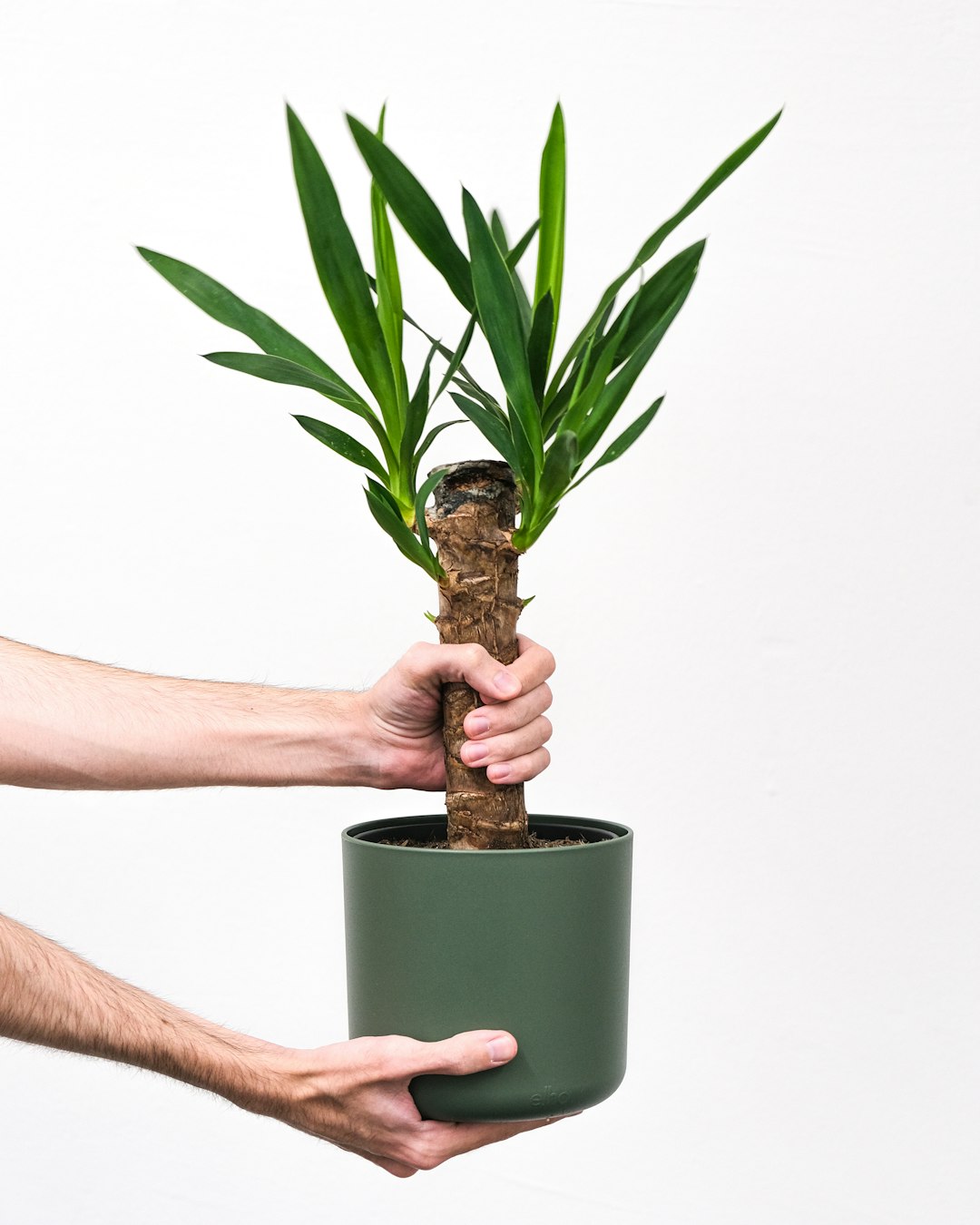
A yucca from a hardware store garden center often comes with three canes and a tag that says “thrives on neglect,” so it gets treated the way everything else on the plant shelf is treated: a good drink every Sunday. By the end of the second month the lower leaves on the tallest cane are going yellow from the base up, two or three a week. The natural assumption is thirst, so it gets watered a bit more — which is the opposite of what it needs. Tip it out of the pot and the soil at the bottom is still wet from the week before and smells sour, and the base of a cane gives slightly when squeezed.
A plant like that can often be saved, sometimes minus a cane, and it shows the main thing about yucca: it is a desert plant that happens to look like a tropical one. Most yellow leaves on an indoor yucca come back to water and light, and a few are not a problem at all. Here is how to tell which situation you are in.
Quick triage
Is it only the lowest, oldest leaves turning yellow, one or two at a time, while the top of each cane keeps putting out fresh green ones? That is normal shedding. Pull them off once they are fully dry and stop worrying.
Are many leaves yellowing at once, does the soil stay damp for more than a week, or does the base of a cane feel soft? Go straight to the overwatering and cane rot section. This one is urgent.
Is the plant in a dim spot, with new leaves coming in pale, thin, and floppy, and the whole head leaning toward a window? Low light is the likely cause.
Did the yellowing start within a few weeks of bringing it home, or after a cold snap or a move near a door? Think shock and cold drafts.
Are there pale, bleached, or brown papery patches on the leaves that face the sun, especially after the plant spent time outdoors? That is sunburn, not disease.
Normal lower-leaf shedding
A yucca cane grows from the top. As it puts out new leaves at the crown, the oldest ones at the bottom of each rosette yellow, then brown, then dry out and hang down against the cane. In the wild those dead leaves form a kind of skirt. Indoors it just looks untidy.
The giveaway is the pattern. It is always the outermost, lowest leaves, it happens slowly, and the centre of the rosette stays tight and green. A healthy indoor yucca might lose a handful of leaves a month in this way, more in autumn after a summer growth spurt.
Let the leaf go fully yellow or brown, then tug it gently downward. If it does not come away easily, wait a week or trim it close to the cane with clean scissors. Pulling green leaves off early just opens a wound for no reason.
Overwatering and cane rot
This is the big one. Yucca elephantipes, the spineless yucca sold as a houseplant, stores water in its thick cane and in fleshy roots. It is built to go dry between rains. Water it on a fixed weekly schedule in a pot with heavy, peaty soil, and the roots sit wet for days at a time and start to rot. Once the roots stop working, the leaves yellow because they are not getting water, which is exactly why so many people respond by watering more.
Signs it has gone past the roots:
- Many leaves yellowing at once, often from the centre of a rosette rather than only the bottom.
- The base of a cane feels soft, spongy, or wrinkled when you press it with your thumb. A healthy cane feels like wood.
- The soil smells musty or sour, or there are fungus gnats hovering over it.
- A cane wobbles in the pot when the others do not.
What to do:
- Stop watering and slide the plant out of its pot. Healthy yucca roots are firm and pale tan; rotten ones are dark, mushy, and slip their outer skin when you pull them.
- Cut away the rotten roots with clean scissors and repot into fresh, dry, gritty mix (cactus mix with extra perlite or pumice works well) in a pot with a drainage hole. Do not water for about a week.
- If a cane is soft at the base, it will not firm up again. Cut it above the soft section, into clean, hard, pale tissue, and treat the top as a cutting. The care guide below explains how to root it.
Our guide to root rot in houseplants goes through the repotting step in more detail, and if you are not sure whether you are looking at too much or too little water, this overwatered vs underwatered comparison is a good gut check.
Not enough light
Yucca gets sold as an easy floor plant for corners, and that is the trouble. In its native range it grows in full sun. Indoors it will tolerate a medium-bright spot, but in a genuinely dim corner it slowly starves. The plant cannot support all of its leaves, so it drops the oldest ones faster than it replaces them, and the new ones come in pale, narrow, and soft enough to flop over instead of standing stiff.
Low light also makes overwatering much more likely, because a yucca that is barely growing uses very little water. The two problems tend to show up together.
Move it as close to your brightest window as you can, ideally where it gets a few hours of direct sun. Turn the pot a quarter turn every week or two so all the canes get light. If no window in the house is bright enough, a decent grow light pointed at the crowns often makes a visible difference over a month or two; our grow light roundup covers a few options.
Shock after bringing it home, and cold drafts
A lot of yuccas are grown in very bright greenhouses, then trucked, stored, and sold under fluorescent lights. Going from that to a living room is a big drop in light, and it is common to lose a batch of lower leaves in the first four to six weeks. As long as the canes are firm and the crowns stay green, this settles down by itself. Resist the urge to fix it with extra water or fertilizer.
Cold is the other trigger. Indoor yucca is happy anywhere from the 60s to the 80s Fahrenheit, and it handles brief cool spells better than most houseplants, but cold drafts from a door that opens all winter, or leaves pressed against a frosty window, can cause yellow and then brown patches. Combine cold with wet soil and you get rot much faster. Keep it a few inches back from the glass in winter and away from exterior doors.
Sunburn after a sudden change
This one surprises people because yucca is a sun plant. But leaves that grew indoors are soft compared with leaves that grew outside. Put an indoor yucca straight onto a sunny summer patio and within a few days the leaves facing the sun can go bleached and yellow-white, then develop dry, papery brown patches.
Burned leaves will not recover, but the plant will. Move it into bright shade for a week, then give it a little more direct sun each week until it is used to it. New leaves that grow outdoors are tougher and will handle full sun fine. Do the same thing in reverse when you bring it back inside in autumn, and expect a few lower leaves to drop as it adjusts.
A few things people ask
Should I cut off yellow yucca leaves?
Wait until they are fully yellow or brown, then pull them gently downward or snip them close to the cane. A half-yellow leaf is still sending some energy back to the plant, and cutting healthy tissue just makes an extra wound.
Can a yucca with a soft cane be saved?
The soft part cannot, but the plant usually can. Cut the cane above the soft section into firm, clean wood. The top can be rooted, and the bottom stump, if it is still firm, will often sprout new heads just below the cut.
Why are the leaf tips brown rather than yellow?
Brown tips on an otherwise green leaf are usually dry air, inconsistent watering, or salt buildup from fertilizer, and they are mostly cosmetic. Whole leaves going yellow from the base is the pattern to pay attention to.
Is my yucca actually a dracaena?
It happens a lot, because they are sold side by side and labels go missing. Yucca leaves are stiffer and more sword-like, with a rough, ridged cane underneath. If yours has softer, strappy leaves and a smooth cane, have a look at our dracaena care guide instead, because dracaenas want more water and less sun.
Once the yellowing has stopped, the rest is mostly routine. Our complete yucca care guide covers light, watering, gritty soil, and how to cut back a yucca that has grown too tall without losing the plant. Next reads: Why Are My Areca Palm Leaves Turning Yellow?, Why Are My Ti Plant Leaves Turning Brown? and Why Does My Parlor Palm Have Brown Tips?.