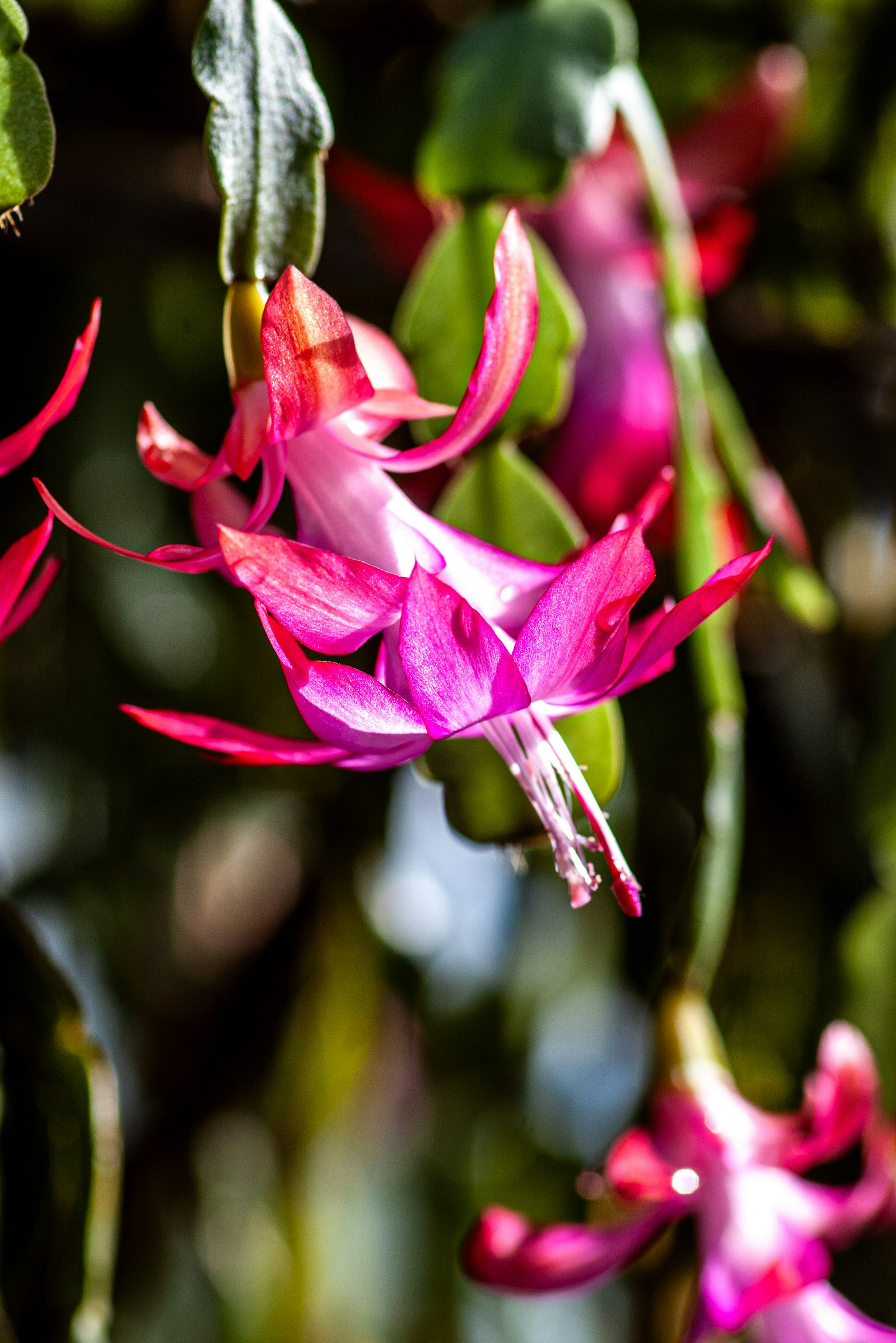
The segments of a Christmas cactus turning a deep reddish-purple right as the weather cools in fall can look alarming: it is easy to assume something is wrong, maybe the plant is too cold, maybe it is some kind of nutrient problem. Moving it to a warmer spot and fussing over it for a couple of weeks can interrupt the exact process that was about to give you a plant full of flowers. The reddening is often the plant responding to cooler fall temperatures and getting ready to bloom, not necessarily a problem at all.
Christmas cactus segments turning red comes down to one cause that’s completely normal, and three that point to an actual problem: cool temperatures or bright light triggering natural pigment production, overwatering or root rot, underwatering, and sunburn. The normal cause is by far the most common explanation, especially in fall and winter, which is exactly when a lot of people get alarmed and start changing their care routine right when the plant needs to be left alone.
| What you see | Likely cause |
|---|---|
| Gradual reddish tinge in fall/winter, segments firm | Normal seasonal reddening (often pre-bloom) |
| Redness with soft, mushy, collapsing segments | Overwatering or root rot |
| Redness with shriveled, deflated segments | Underwatering |
| Red/bleached patches on the window-facing side | Sunburn |
Normal seasonal reddening
This is the cause that trips up the most people, because reddening looks like it should mean something’s wrong. Christmas cacti produce anthocyanin, the same pigment responsible for red and purple coloring in a lot of plants, in response to cooler temperatures and the shorter, more intense light of fall and winter. This is actually part of the same environmental shift that triggers flower bud formation, so segments turning red is often a sign the plant is entering its natural blooming cycle rather than a symptom of stress.

The tell here: the segments stay firm, the reddening is gradual and often concentrated at the edges or tips rather than across the whole plant, and it’s happening during the cooler months. If you also see flower buds forming, that all but confirms it. The best response is usually to leave the plant’s conditions consistent rather than moving it somewhere warmer or changing your watering, since disrupting the temperature or light cycle right now can delay or prevent blooming.
Overwatering or root rot
Christmas cacti are still succulents at heart despite their unusual segmented shape, and consistently soggy soil can lead to root rot (see also Clemson’s Thanksgiving & Christmas Cacti guide), which sometimes shows up partly as a reddish or purplish discoloration alongside the more telling signs of softness and collapse. Unlike normal seasonal reddening, this comes with segments that feel mushy or deflated rather than firm, and it can progress to segments dropping off the plant entirely.
Check the soil moisture and the base of the plant near the soil line. If it feels consistently wet and the affected segments are soft rather than firm, let the soil dry out significantly before watering again, and consider repotting into fresh, well-draining soil if the smell or texture suggests rot has set in.
Underwatering
Going too long between waterings can cause segments to shrivel, wrinkle, and sometimes develop a reddish tinge as the plant pulls moisture from its tissue under stress. This looks different from the plump, firm reddening of normal seasonal color change, the segments here appear visibly deflated or thinner than usual, almost like they’ve lost volume.
Christmas cacti prefer their soil to dry out somewhat between waterings but shouldn’t be left bone dry for extended stretches, unlike desert cacti. Water thoroughly and the segments should plump back up over the following week or two.
Sunburn
Christmas cacti generally prefer bright, indirect light, and direct sun, especially through a window during the more intense light of late spring and summer, can cause bleached or reddish, sometimes almost scorched-looking patches concentrated on the side of the plant facing the light source. This is more localized than the even, whole-plant reddening of the normal seasonal change.
If the discoloration is one-sided and followed a move to a sunnier spot, moving the plant back to indirect light or a bit further from the window should prevent further damage, though existing marks won’t reverse.
A few things people ask
Will the red color go away after blooming? Often, at least partially, as temperatures warm back up and light conditions shift in spring, new growth typically comes in green again, though some residual color can remain on older segments.
Should I fertilize a Christmas cactus that’s turning red? It’s generally best to hold off on fertilizing during the plant’s natural dormancy and blooming period in fall and winter, resuming a light feeding schedule in spring once active growth picks back up.
How do I know if my Christmas cactus is about to bloom versus just stressed? Firm segments, gradual and even reddening, and the presence of small bud formations at segment tips point to blooming. Mushy, wrinkled, or one-sided discoloration points toward a care issue instead.
Is it normal for a Christmas cactus to drop segments? Occasional segment drop can happen from physical stress like a bump or temperature shock, but frequent or widespread dropping paired with soft, discolored segments usually points toward overwatering or root rot rather than something to expect as routine.
For the full rundown on keeping Christmas cactus happy long-term, light, watering, soil, and propagation, see the Christmas Cactus Care Guide. Next reads: Why Is My Rhipsalis Turning Brown or Shriveling?, Why Is My Cactus Turning Yellow? and Why Is My Haworthia Turning Brown or Mushy?.