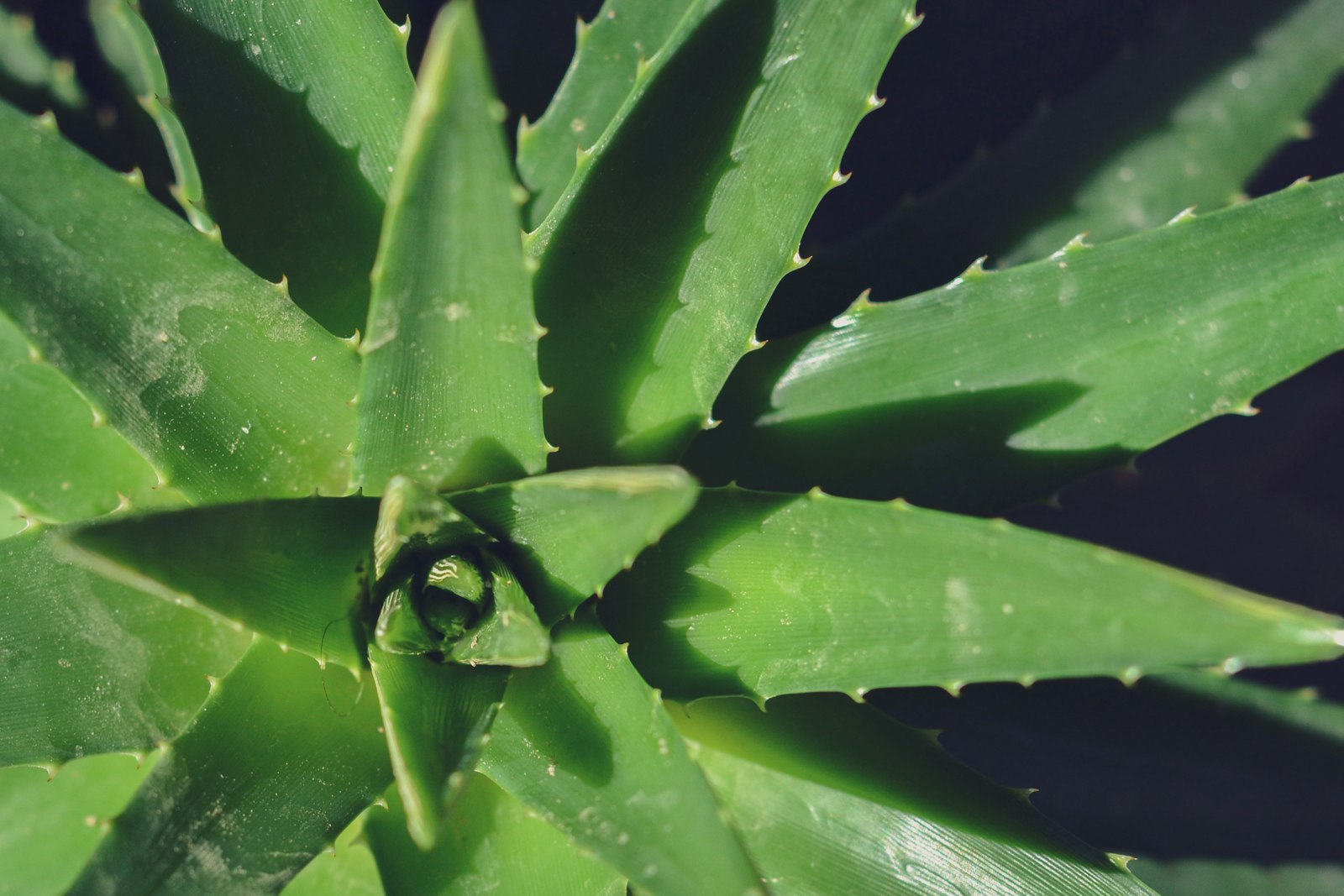
Bringing an aloe in from a shady porch where it has lived happily for a year and setting it on a south-facing windowsill for the winter seems like it should help, since more light can only be good. Within a few days, though, the tops of several leaves can go brown and slightly sunken, almost like they’ve been scalded. It’s confusing, since aloe is supposed to love full sun — but the problem is the suddenness of the change, not the light itself.
Aloe vera has a reputation as one of the toughest, most forgiving houseplants around, and it mostly deserves that reputation, but browning leaves usually trace back to one of a small number of specific triggers rather than general neglect, and the two most common causes, sunburn and overwatering, produce browning that looks quite different from each other once you know what to check.
Quick triage: browning concentrated on the side facing a window, with a slightly sunken or scorched texture, especially after a recent move to brighter light? Sunburn, keep reading. Browning paired with mushy, soft leaf texture and soil that’s stayed damp? Overwatering, worth checking the roots. Browning and shriveling with the leaf feeling thin or deflated, soil bone dry for a long stretch? Underwatering, less common with this species but does happen. Isolated browning on just the oldest, lowest leaves while the rest of the plant looks healthy? Probably just normal aging.
| Cause | Symptom | What to do |
|---|---|---|
| Sunburn | Browning concentrated on the side facing the window, sunken or scorched texture, after a move to brighter light | Move to slightly less intense light; reintroduce full sun gradually |
| Overwatering | Browning paired with mushy, soft leaf texture; soil stayed damp | Let soil dry out completely; check roots for rot |
| Underwatering | Browning and shriveling, leaf feels thin or deflated; soil bone dry | Water thoroughly, then resume infrequent watering |
| Normal aging | Browning limited to the oldest, lowest leaves; rest of plant healthy | Nothing needed; remove spent leaves if desired |
Sunburn from a sudden increase in light
Aloe vera does like bright light, but a plant that’s been acclimated to lower light, whether from being indoors all winter, kept in a shadier spot, or recently purchased from a greenhouse with diffused light, can genuinely sunburn if moved abruptly into intense direct sun. The leaf tissue isn’t adapted to that intensity yet, and the result is browning, sometimes with a slightly translucent or scorched look, concentrated on the side of the plant that’s getting the most direct exposure.
This is easy to miss as a cause specifically because aloe’s full-sun reputation makes people assume more light is always safe, when the real issue is the abruptness of the change rather than the light level itself once the plant has had time to adjust.
If this matches what you’re seeing, move the plant to a spot with slightly less intense light, or introduce it to full sun gradually over a couple of weeks rather than all at once going forward. The already-browned tissue won’t turn green again, but it won’t spread further once the light exposure is moderated.
Overwatering and root rot
Less immediately obvious than sunburn, but aloe is a succulent that stores water in its leaves and doesn’t tolerate consistently wet soil well. Browning from overwatering tends to come with soft, mushy leaf texture rather than the drier, sunken look of sunburn, and it often starts lower on the plant or spreads more generally rather than staying confined to one sun-facing side.
This is the same general mechanism covered in the succulent translucent leaves piece and the root rot piece, just showing up as browning rather than the translucency more commonly described there. If the soil has been damp for a while and the browning leaves feel soft, let the soil dry out completely, and check the roots for the dark, mushy texture that indicates rot has set in.
Underwatering
Less common with a plant this drought-tolerant, but a long enough dry stretch can cause leaves to brown and shrivel, feeling thin and somewhat deflated rather than firm and plump. This shows up most often with aloe kept outdoors through a hot, dry summer without any supplemental water.
A thorough watering, followed by letting the soil dry out mostly between future waterings, should resolve this. Aloe genuinely prefers infrequent watering, so this is rarely the culprit compared to the two causes above, but it’s worth ruling out if the soil is bone dry.
Normal aging of lower leaves
Aloe plants naturally shed their oldest, lowest leaves over time, and those leaves often brown, dry out, and eventually detach as part of regular growth, while the rest of the plant continues putting out new leaves from the center. This is frequently mistaken for a problem when it’s really just the plant’s normal lifecycle.
If browning is limited to the oldest leaves at the base, and everything else on the plant looks healthy and is still producing new growth, there’s nothing to address here beyond removing the spent leaves if you’d like a tidier appearance.
A few things people ask
Can sunburned aloe leaves turn green again? No, the damaged tissue stays browned permanently, but new growth that emerges after adjusting the light exposure will come in normal. The plant itself is rarely in danger from sunburn alone.
How do I introduce my aloe to more sun without burning it? Increase direct sun exposure gradually over a couple of weeks, adding an hour or two more each day rather than moving it straight into a full-sun spot, especially after winter or after purchasing a greenhouse-grown plant.
Is brown and crispy different from brown and mushy? Yes, and it’s the key distinction here. Crispy or sunken browning points toward sunburn or underwatering, while soft, mushy browning points toward overwatering and possible root rot.
My aloe has brown spots but they’re not near a window. What else could it be? Check for physical damage, like bumps or pressure from being brushed against furniture or other plants, which can cause localized browning similar to sunburn but from mechanical stress rather than light.
For the full rundown on keeping aloe vera happy long-term, light, watering, soil, and propagation, see the Aloe Vera Care Guide. Next reads: Why Is My Haworthia Turning Brown or Mushy?, Why Is My Rhipsalis Turning Brown or Shriveling? and Why Are My Succulent’s Leaves Falling Off?.