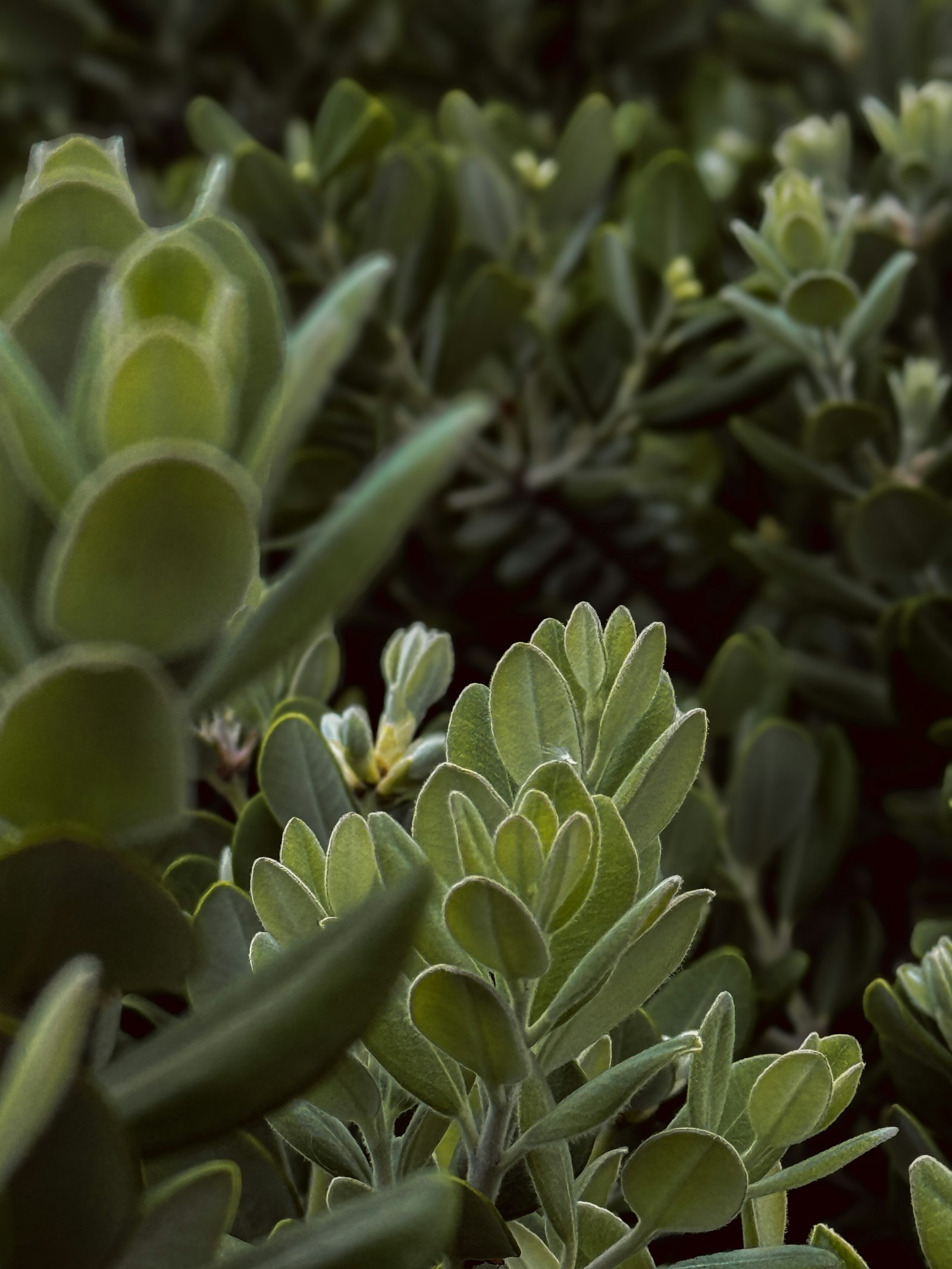
A jade plant left on an outdoor windowsill a little too long into a cold snap — just one unexpectedly frosty night — can show a handful of leaves gone glassy and soft, almost see-through at the edges, the next morning. The first assumption is overwatering, since that’s the usual suspect with succulents, and it’s tempting to dump out the soil to check the roots. The actual cause is often sitting right there in the weather app from the night before.
Translucent, watery-looking leaves on a succulent are a sign the plant’s cell structure has broken down in some way, and while overwatering is by far the most common reason that happens, it’s not the only one, and a couple of the other causes can look confusingly similar at first glance despite having nothing to do with how much you’ve been watering.
| What you see | Likely cause |
|---|---|
| Soil damp a while, translucency at base/center, maybe a smell | Overwatering (most likely) |
| Sudden translucency after a cold night, no smell | Cold or frost damage |
| Mushy spot on one leaf near a bump or drop | Wound-introduced rot |
| Lower leaves shriveled, dry, brown (not translucent) | Normal aging |
Overwatering (the most common cause by far)
Succulents store water in their leaves and are built for infrequent watering with soil that dries out fully in between. Consistently wet soil overwhelms that system, leading to root and leaf tissue breaking down, which shows up as leaves that go soft, watery, and translucent, sometimes with a faint rotten smell if it’s progressed for a while. This is the same overwatering mechanism covered in more depth in the root rot piece, just showing up in the water-storing leaf tissue that’s distinctive to succulents rather than in typical foliage.
This tends to start with the lower or more central leaves and spread outward if it continues, and affected leaves usually detach easily with barely a touch, coming away wet rather than snapping cleanly the way a healthy leaf would.

If this is what’s happening, stop watering immediately and let the soil dry out completely, removing any already-mushy leaves so they don’t invite further rot. Check that the pot actually drains and isn’t sitting in a saucer of standing water, which is a common hidden cause of chronic overwatering even when someone feels like they’re watering correctly.
Cold or frost damage
Most common succulents are not frost-hardy, and exposure to near-freezing temperatures, even briefly, causes ice crystals to form inside the leaf tissue, rupturing cell walls in a way that looks strikingly similar to overwatering damage, translucent, soft, watery leaves, but through a completely different mechanism. This is easy to mistake for rot at first glance since the visual result is so similar.
The distinguishing factor is timing and smell: frost damage shows up suddenly, right after a cold night or an unexpected temperature drop, rather than developing gradually, and it typically doesn’t carry the faint rotten odor that overwatering-related rot often does. If you know the plant was exposed to cold, that’s a stronger signal than the leaf appearance alone.
There’s no way to reverse leaves that have already been damaged by frost, but the plant itself often survives if the damage is limited to a portion of the leaves. Remove the affected leaves and move the plant somewhere protected from further cold exposure going forward.
Wound-introduced rot
Less common, but it happens when a leaf gets bruised, cracked, or otherwise physically damaged, whether from handling, a fall, or contact with something in transit, and bacteria or fungi enter through that wound site, causing localized rot that turns the surrounding tissue soft and translucent even if the plant’s watering has been entirely appropriate.
The tell here is that it’s usually isolated to one leaf or a small cluster near an obvious point of physical damage, rather than spreading from the base or center the way overwatering-related rot does, and the rest of the plant, including the soil, checks out fine. Removing the affected leaf cleanly, and keeping an eye on whether it spreads, is usually sufficient, since the rest of the plant typically isn’t compromised.
Normal lower leaf aging (not actually a problem)
Succulents naturally shed their oldest, lowest leaves as part of regular growth, and those leaves shrivel, dry out, and turn brown or tan rather than going soft and translucent. This gets mistaken for a watering problem fairly often, mostly because any change in a succulent’s older leaves tends to trigger some alarm.
If the affected leaves are dry, papery, and easily removed rather than soft and wet, and it’s limited to the lowest, oldest growth while the rest of the plant looks healthy, this is just normal aging and doesn’t need any intervention beyond removing the spent leaves if you want a tidier look.
A few things people ask
Can a succulent recover from overwatering-related translucent leaves? The individual affected leaves won’t recover, but the plant as a whole often can if you catch it early, stop watering, and remove the damaged tissue before rot spreads further into the stem or roots.
How do I tell frost damage from overwatering if I’m not sure about the temperature history? Check for smell and speed. Frost damage appears suddenly with no odor; overwatering-related rot develops over days and often has a faint sour or rotten smell, especially once you remove an affected leaf.
Is it safe to touch or move a plant with translucent leaves? Yes, though handle it gently, since affected leaves are more likely to detach or smear from light contact. This doesn’t spread the underlying problem to unaffected parts of the plant just from touching it.
Should I repot a succulent that’s had overwatering damage? Often worth it if the soil has stayed wet for a while, since fresh, fast-draining soil gives the roots a better chance to recover than soil that’s already saturated and slow to dry.
For the full rundown on keeping succulent happy long-term, light, watering, soil, and propagation, see the Succulent Care Guide. Next reads: Why Are My Succulent’s Leaves Falling Off?, Why Is My Aloe Vera Turning Brown? and Why Is My String of Pearls Shriveling or Turning Mushy?.