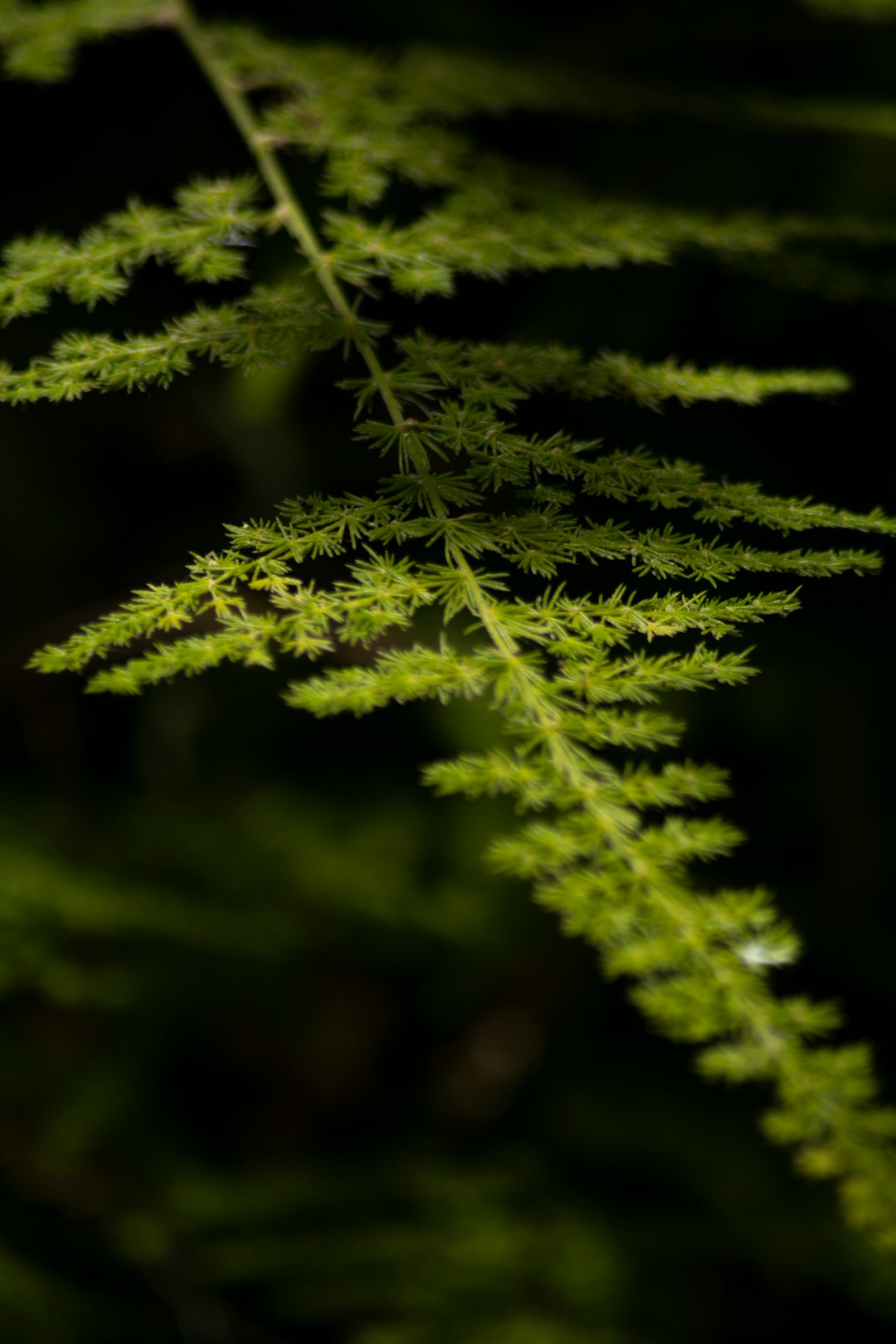
Bring an asparagus fern in from a summer on the porch, hang it from a hook in the living room about eight feet from the nearest window, and keep watering it the way it was watered all summer, and the result is predictable: a shower of yellow needles landing on the floor within a couple of weeks. The natural assumption is that it is dying of cold, so it gets moved next to the heating vent — which turns out to be the second mistake in a row.
That plant is not dying. It went from full outdoor light to a dim corner overnight, it is still getting summer amounts of water in a room where nothing is drying out, and then it was put in the hottest, driest spot in the house. Asparagus ferns (Asparagus setaceus, the lacy one, and Asparagus densiflorus, which includes the Sprengeri and foxtail types) are tough plants, but they tell you about every change by dropping and yellowing their tiny needles. The trick is reading which change they are complaining about.
Quick triage
Did the yellowing start within a few weeks of a move, especially bringing the plant indoors for winter or moving it further from a window? Start with the light section. This is the most common cause by far.
Are the needles going yellow and then crisp and brown, raining down when you brush the plant, and does the soil feel dry an inch or two down? The plant is too dry, either from watering or from the air around it.
Is the yellowing spreading from the base of the stems, does the soil stay wet for days, or do the stems feel soft where they meet the soil? Go straight to the overwatering and root rot section.
Are fat white roots pushing up out of the soil or out of the drainage hole, and does water run straight through the pot? It is root-bound, which is very common with this plant.
Is it just a few of the oldest stems going yellow while new shoots keep coming up from the soil? That is the normal life cycle of a stem, and there is nothing wrong.
Too little light, or a sudden change in light
The feathery bits on an asparagus fern are not leaves. They are tiny flattened stems called cladodes that do all the photosynthesis for the plant, and there are thousands of them. When the light drops, the plant cannot support all of that green, so it sheds the ones that are least useful, usually the inner and lower ones that get the least light. They go pale yellow first and then drop. If the change was sudden, like a porch-to-living-room move, the drop can be dramatic.
Asparagus ferns want bright, indirect light indoors. An east window is ideal, or a few feet back from a south or west one. They are not low-light plants, whatever the tag at the store says. If you are bringing one in from outdoors for the winter, it helps to do it in steps: a shaded part of the porch for a week or two first, then the brightest window in the house, not a dim corner. If you have nowhere bright enough, a grow light over the plant for 10 to 12 hours a day solves it. Our roundup of the best grow lights for houseplants covers a few options.
The flip side is worth knowing too. Strong afternoon sun through glass will bleach and scorch the needles, and they go a washed-out yellow-white rather than the soft yellow of low light. Sprengeri types handle more sun than the lacy setaceus, but neither wants to bake in a hot south window in July.
Drying out, from the soil or the air
Asparagus ferns store water in fat tuberous roots, so they survive drought better than most plants. That is also what fools people. The tubers keep the plant alive, but the fine needles cannot handle drying out, and a pot that goes bone dry for a few days will turn yellow and crunchy across the whole plant. You notice it when you brush past and a little pile of needles lands on the shelf.
During spring and summer, water when the top inch of soil is dry, and water thoroughly until it runs out the bottom. Hanging baskets dry out much faster than pots on a table, sometimes in two or three days, so check them by lifting the basket. A light basket is a thirsty basket.
Dry air does the same thing more slowly. Once the heat comes on in winter, indoor humidity can sit well under 30 percent, and the lacy setaceus in particular starts to brown at the tips and drop needles. Keep the plant away from heat vents, radiators, and the top of the fridge — a spot beside the vent can make everything worse within days. Grouping it with other plants or setting it on a pebble tray helps a little; a small humidifier nearby helps a lot. Our guide to the best humidifiers for houseplants covers a few options.
Overwatering and root rot
This one is less common than drying out, but it is the one that actually kills asparagus ferns. Those water-storing tubers rot if they sit in wet soil, especially in winter when the plant is growing slowly and using very little water. The signs are yellowing that starts low on the stems and spreads upward, stems that turn soft or brown right at the soil line, a sour smell from the pot, and soil that never seems to dry out.
If you suspect it, tip the plant out. Healthy tubers are firm, plump, and pale, like small white carrots. Rotten ones are brown, mushy, and collapse when you squeeze them. Cut the rotten ones away with clean scissors, let the root mass air out for an hour or so, and repot into fresh, well-draining mix in a pot with a drainage hole. Because there are usually lots of tubers, asparagus ferns recover from root rot better than most plants as long as some are still firm. Our step-by-step guide to root rot in houseplants walks through the rescue, and if you are not sure which way your watering has gone wrong, this comparison of overwatered and underwatered symptoms helps.
From then on, cut back hard on water in winter. In a cool room, letting the top couple of inches dry between waterings is about right.
Root-bound
Asparagus ferns fill a pot faster than almost any other houseplant. The tubers multiply every year, and after two or three years there is often more root than soil in the pot. Plastic nursery pots can bulge and even split from the pressure. A root-bound plant cannot hold water for long, so it dries out within a day or two of watering, the needles yellow from thirst, and new growth comes up thin and weak.
Signs to look for: thick white roots pushing up above the soil surface, roots coming out the drainage hole, and water that runs straight through without seeming to soak in. The fix is repotting in spring, either moving up one pot size or dividing the clump into two or three smaller plants. Dividing is easy with this plant; the full method is in our asparagus fern care guide.
Old stems dying back naturally
Every stem on an asparagus fern has a limited life. After a couple of years an individual stem slowly yellows from the base, drops its needles, and turns into a bare, wiry, slightly thorny brown stick. Meanwhile, new shoots come up from the soil looking just like asparagus spears, which is exactly what they are related to. If the yellowing is limited to a few older stems and you can see fresh shoots, nothing is wrong.
Cut the old stems off at soil level. Wear gloves or at least go slowly, because many asparagus fern stems carry small, hooked spines that catch on skin. The plant looks better and puts its energy into the new growth. If you see a lot of dead stems at once, the plant may have been struggling for a while with one of the causes above, and it is worth checking the roots.
A few things people ask
Will the yellow needles turn green again?
No. Once a needle has gone yellow it is on its way out. Brush or shake the plant gently over a sheet of newspaper to get the loose ones off, and judge your fix by the new growth over the next few weeks.
My whole asparagus fern turned yellow and dropped everything. Is it dead?
Probably not. Check the tubers. If they are still firm, cut all the stems down to about an inch above the soil, put the pot somewhere bright, keep it lightly moist, and wait. New shoots usually appear within a few weeks.
Why is my asparagus fern dropping needles but not turning yellow?
Green needles falling usually means the plant is too dry, either the soil or the air, or that it was just moved. It is the same set of causes, caught a little earlier.
Is an asparagus fern actually a fern?
No, it is a member of the asparagus family and a close relative of the vegetable. That is why it does not respond to fern care quite the way a Boston fern does: it wants more light, tolerates more drying, and grows from tubers rather than a rhizome.
Once the new growth is coming in green and full, the rest is everyday care. Our complete asparagus fern care guide covers light, watering, soil, dividing a crowded plant, and how to cut a tired one all the way back so it regrows from the tubers. Next reads: Why Is My Boston Fern Turning Brown or Losing Leaves?, Why Are My Yucca Leaves Turning Yellow? and Why Is My Staghorn Fern Turning Brown?.