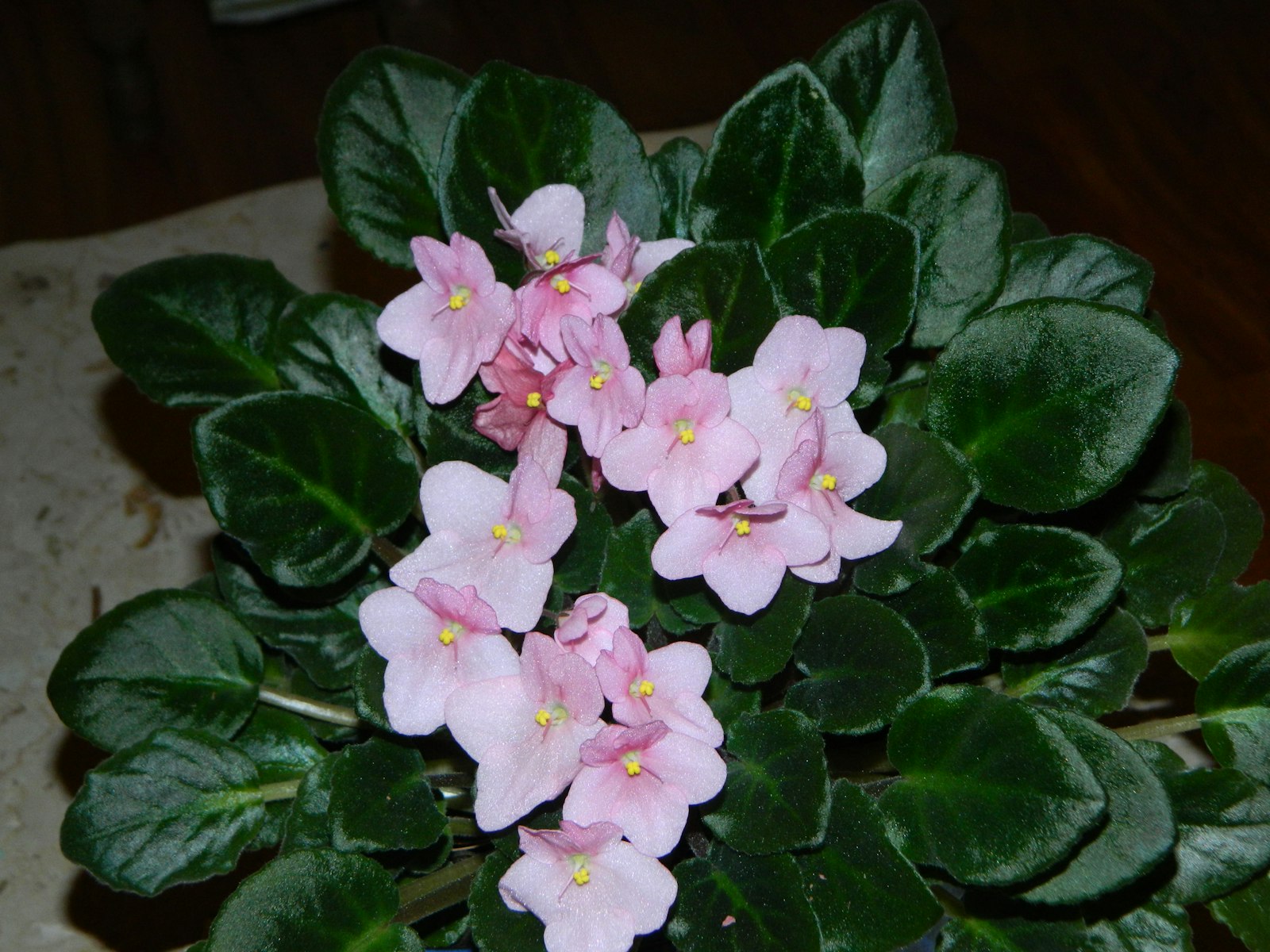
Moving an African violet to a sunnier windowsill, thinking more light will help it bloom more, can come with a surprise: within days the leaves curl downward around the pot, almost cupping themselves, and feel noticeably thicker and stiffer than before. It looks like something is wrong, and the temptation is to move the plant back to a dim spot out of caution. But the plant is doing exactly what it’s built to do when light is more intense than it wants — curling to protect itself — which is a signal to adjust the light, not a sign of distress.
African violets (Saintpaulia) have a few care quirks that set them apart from most common houseplants, cold sensitivity in their leaves and a particular relationship with light chief among them, and curling leaves trace back to a different set of causes here than the usual overwatering-dominant story that applies to most other plants.
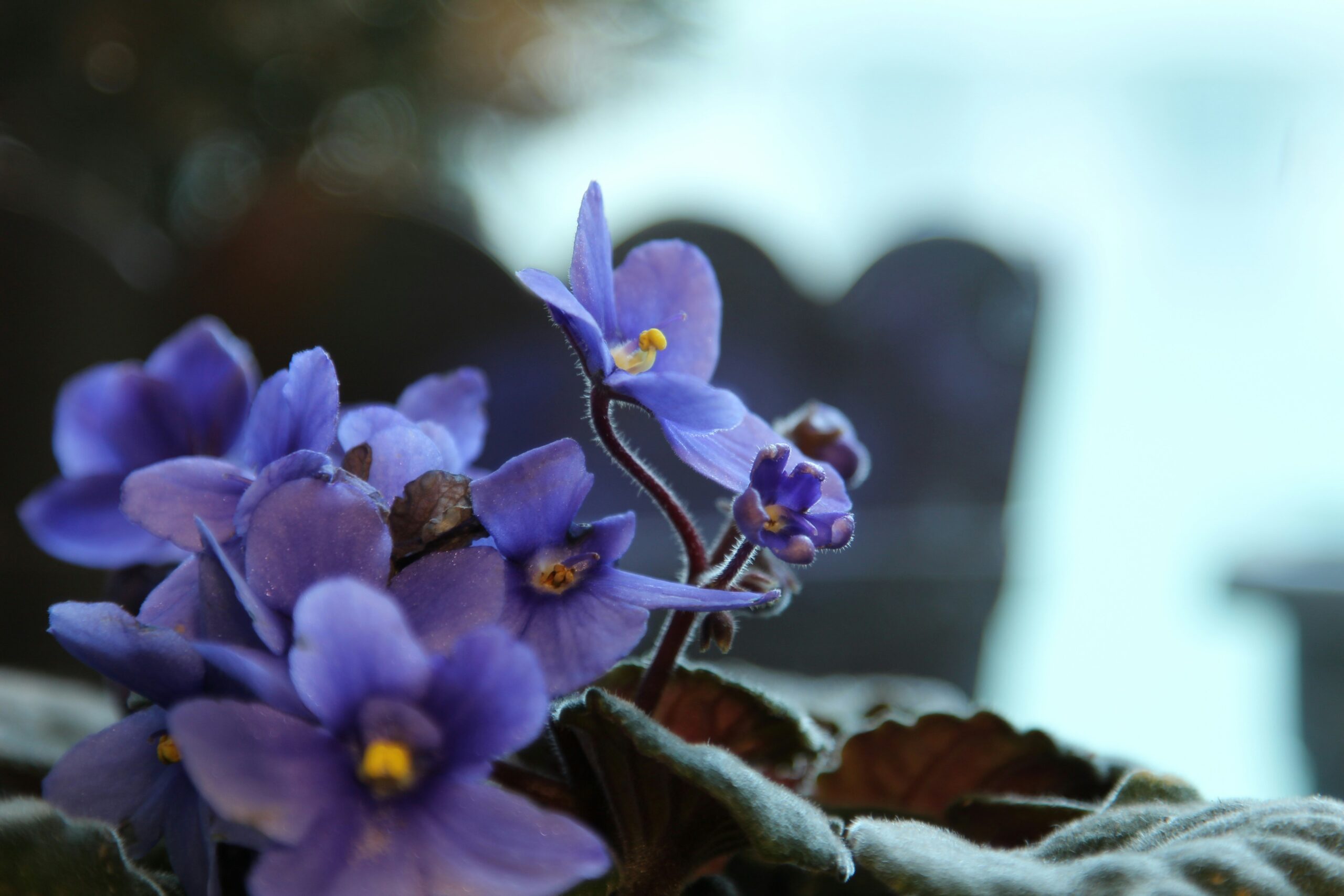
Quick triage: leaves curling downward and feeling thicker or stiffer, especially after a move to a brighter spot? Too much light, the plant’s own protective response, keep reading. Leaves curling and drooping, feeling soft, soil bone dry? Underwatering. Curling paired with ring-shaped or blotchy discoloration on the leaves, especially after watering? Cold water or cold air exposure, a quirk specific to this plant. Leaves persistently curled and growth stalled despite otherwise good care? Possibly root-bound, worth checking the pot size.
| Cause | Symptom | What to do |
|---|---|---|
| Too much light | Leaves curl downward and feel thicker/stiffer, after a move to brighter light | Protective response, not damage; move to slightly less intense light if desired |
| Underwatering | Curling and drooping, leaves feel soft, soil bone dry | Water thoroughly; check soil regularly rather than on a fixed schedule |
| Cold water or cold air | Curling with ring-shaped or blotchy discoloration, especially after watering | Use room-temperature water on the soil, not the leaves; avoid drafts |
| Root-bound | Chronic curling and stalled growth despite good care | Check whether roots have filled the pot; repot if needed |
Too much direct light (a protective response, not damage)
African violets prefer bright, indirect light and don’t handle intense direct sun especially well, and one of the ways the plant responds to more light than it wants is by curling its leaves downward and developing a thicker, more leathery texture, essentially reducing the surface area exposed to the light. This is a defensive adaptation rather than a sign the plant is dying, which is part of why it surprises people expecting curling to always mean something’s wrong.
The tell is that curling develops after an increase in light exposure, a move closer to a window, a change of season, or a grow light being adjusted, and the leaves themselves feel firmer and thicker rather than soft or wilted. It also tends to affect the whole plant fairly evenly rather than isolated leaves.
If this is the cause, moving the plant to slightly less intense light, further from the window or out of direct afternoon sun, should let new growth come in flatter over time, though already-curled leaves typically stay that way.
Underwatering
The more familiar cause, and still common with this plant. African violets like consistently moist soil, though not soggy, and leaves droop and curl when the soil dries out for too long, feeling noticeably softer than the light-response curling described above.
Water from the bottom if possible, since these plants are sensitive to water sitting on the crown, and check the soil regularly rather than watering on a fixed schedule. This is one of the two watering-related causes that apply broadly across houseplants, covered in more depth in the overwatered vs underwatered piece.
Cold water or cold air exposure
This is a genuine quirk specific to African violets: their leaves are notably sensitive to cold, both from cold tap water splashed on the foliage and from cold drafts or sudden temperature drops, more so than most common houseplants tolerate without issue. Cold exposure can cause curling along with ring-shaped or blotchy discoloration where cold water droplets sat on the leaf surface.
If curling shows up alongside odd spotting or blotching, especially after watering with cold tap water or after the plant sat near a drafty window, cold sensitivity is a likely culprit. Going forward, use room-temperature water and avoid getting water directly on the leaves, watering the soil instead, and keep the plant away from cold drafts.
Root-bound growth
Less immediately obvious, but African violets that have outgrown their pot without being repotted can develop chronically curled leaves and stalled growth simply because the root system no longer has room to support the plant properly, independent of watering or light being otherwise correct.
If the plant hasn’t been repotted in a long while, growth has slowed noticeably, and neither light nor watering seem to explain the curling, checking whether the roots have filled the pot is worth doing. African violets actually prefer being slightly root-bound compared to some houseplants, so this isn’t as quick a trigger as it is for other species, but it can still become a limiting factor eventually.
A few things people ask
Is curling from too much light permanent? The already-curled leaves typically stay that way, but new growth that emerges after adjusting the light exposure should come in with normal, flatter leaves.
Can I use tap water on my African violet at all? Yes, most tap water is fine as long as it’s room temperature rather than cold straight from the faucet, and applied to the soil rather than splashed on the leaves.
How do I know if my African violet needs repotting? Check if roots are visibly circling the pot or growing out of the drainage holes, and note whether growth has slowed significantly compared to before. These plants don’t need frequent repotting, but they do eventually outgrow a pot.
My African violet’s leaves are curling and the center looks mushy. Is that different? Yes, that’s more likely crown or stem rot from water sitting in the center of the plant, a more serious issue than the causes above, usually from watering directly onto the crown rather than the soil. Remove affected tissue and adjust your watering method going forward.
For the full rundown on keeping African violet happy long-term, light, watering, soil, and propagation, see the African Violet Care Guide. Next reads: Why Are My Hoya’s Leaves Curling?, Why Are My Pothos Leaves Curling? and Why Are My Money Tree’s Leaves Curling?.