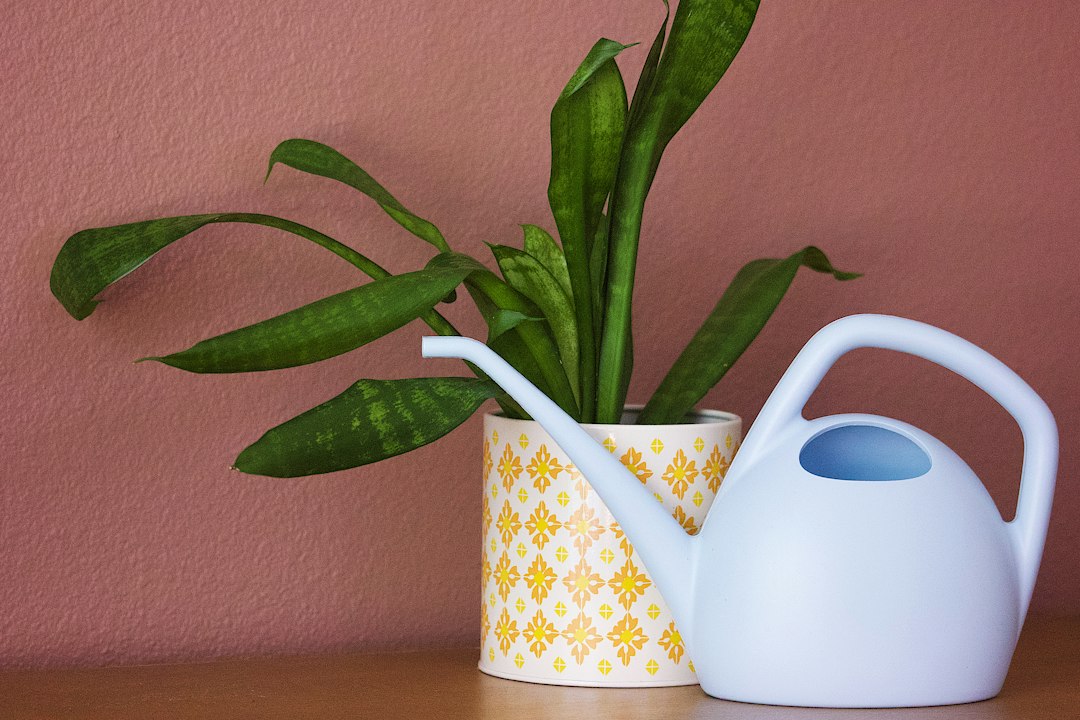
Houseplants need less water in winter because their growth slows, the days are shorter and darker, and cooler rooms dry the soil out more slowly. The same watering routine that kept a plant happy in July now leaves the roots sitting in wet soil for days or weeks at a time. Checking the soil before every watering, instead of watering by the calendar, is the single change that prevents most winter root problems.
If a plant that was fine all summer now has yellowing lower leaves, a soggy pot that never seems to dry, and maybe a faint sour smell from the soil, the usual first reaction is to assume it is thirsty or needs feeding. It is more likely getting too much water for the conditions. Winter overwatering rarely looks dramatic at first, which is why it catches so many people out.
Quick triage
- Is the soil still damp a few days after watering? Clemson Extension advises inserting a finger to the first joint; if it feels moist there, the plant does not need water yet.
- Are the lowest leaves turning yellow and soft rather than dry and crisp? Soft, yellow, drooping leaves with wet soil point to overwatering. Dry, papery leaves point to dry soil or dry air. See the overwatered or underwatered guide for the full comparison.
- Is there standing water in the saucer or cache pot? Iowa State Extension lists a saucer or outer pot that holds water among the causes of a root ball that stays wet.
- Has the watering schedule changed since summer? If the answer is no, the schedule is probably the problem. NC State Extension calls overwatering one of the most common winter plant care mistakes.
1. Growth slows, so the plant drinks less
Most houseplants grow slowly or stop growing in winter. A plant that is not pushing out new leaves is not pulling much water up through its roots, so water applied to the soil just stays there. NC State Extension puts it simply: most houseplants require less water during colder months because their growth slows and evaporation rates decrease. Clemson Extension makes the same point for any resting period, noting that while a plant is dormant it will need less water.
What helps: treat winter as a separate watering season. A plant that wanted water weekly in summer may be fine for far longer now, but the only reliable way to know is to check the soil each time.
2. Less light means slower drying
Shorter days and a lower sun angle mean the plant receives far less light than in summer, even on the same windowsill. Light drives the plant’s water use, so a plant in winter light simply moves less water. Clemson Extension notes that a plant in a warm, dry, sunny location needs more frequent watering than one in a cool, low-light environment, and most rooms in winter sit closer to the second description.
What helps: expect a plant in a darker winter spot to need noticeably less water. If it is also stretching toward the window, see the leggy plant guide.
3. Cool soil holds water longer
Water leaves a cool pot more slowly. A plant near a cold window, on a tiled floor or in a room where the heat is turned down can sit in wet soil for a long time, while the same plant next to a radiator dries fast. The heater and radiator guide covers that opposite problem.
What helps: notice where each pot sits. Plants in cool spots should be checked less often, and should always be watered with water that is not cold. Clemson Extension recommends water between 62 and 72 degrees Fahrenheit, and advises against both hot and cold water.
4. Pots, saucers and cache pots that trap water
A lot of winter overwatering is about water that cannot leave. Iowa State Extension names watering too often, having no drainage hole, and a saucer or outer pot that holds water as the causes of a root ball that is always wet, and adds that if the root ball is always wet, the roots rot and die. Decorative cache pots are a frequent culprit: the inner pot drains, but the water collects underneath.
What helps: lift the inner pot out after watering and tip away any water that has collected. Empty saucers once the pot has finished draining. If a pot has no drainage hole at all, winter is a good time to move the plant into one that does.
5. Watering by habit instead of by soil
The cause behind all the others is watering on a fixed day. A schedule built around summer keeps running into winter unless something interrupts it. Clemson Extension states that the main cause of death of potted plants is over-watering, and that the most accurate gauge is to water when the potting mixture feels dry to the touch.
What helps: replace the schedule with a check. Finger test, pot weight and soil color all work. Clemson notes that potting mixes change from a dark to a lighter color as they dry, and that a dry pot is noticeably lighter to lift. A soil moisture meter can help for larger pots, though Clemson cautions that meters vary widely in accuracy, so use one alongside the finger test rather than instead of it.
How the causes compare
| What you see | Most likely cause | How to confirm | First fix |
|---|---|---|---|
| Soft yellow lower leaves, drooping, soil stays wet | Overwatering | Soil moist at the first finger joint days after watering; sour smell | Stop watering, empty saucer, let the mix dry thoroughly |
| Crisp brown tips and edges, soil dries fast | Dry air or underwatering | Soil dry well below the surface; damage worst near a heat source | Water thoroughly, raise humidity |
| Blackened or translucent patches on leaves touching glass | Cold damage | Damage limited to the side nearest the window | Move the plant back from the glass |
| Wilting even though the soil is wet | Root damage from overwatering | Roots brown, soft or smelly when unpotted | Follow the root rot guide |
| A few old leaves yellow and drop, plant otherwise fine | Normal winter shedding | New growth is healthy; soil dries normally | Nothing; see winter leaf drop |
If the plant is already overwatered
- Stop watering. Do not add water until the mix has dried well below the surface. Iowa State Extension advises always letting the soil in containers dry thoroughly between waterings.
- Get the pot out of standing water. Empty the saucer or cache pot and leave the pot where air can reach the drainage holes.
- Move it somewhere brighter and a little warmer to speed up drying, but not against a radiator.
- Check the roots if the plant is wilting with wet soil. Clemson Extension notes that damaged roots take up less water, so a plant can wilt even when the soil is wet, and that watering at that point makes it worse. Slide the plant out and look: healthy roots are firm and pale, rotted ones are brown, soft and smell bad.
- Trim rotted roots and repot into fresh, dry mix if more than a few roots are affected. The root rot guide walks through this step by step.
- Judge recovery by new growth. Yellowed leaves will not turn green again; the fix is working when no new leaves yellow and the soil dries at a sensible pace.
How to water in winter
When the soil does pass the dryness test, water properly rather than sparingly. Clemson Extension recommends applying water until it runs out of the bottom of the pot, which reaches the lower roots and flushes excess salts. Then let the pot drain and empty the saucer. Small frequent sips are the worst of both worlds: the surface stays wet while the lower roots stay dry.
Plants that store water, such as snake plants, ZZ plants, succulents and cacti, tolerate winter dryness far better than winter wetness. Thin-leaved plants such as pothos and peace lilies still need regular checking, but less water than in summer.
A simple routine to prevent it
- Check the soil with a finger before every watering; water only when it is dry at the first joint.
- Water thoroughly when you do water, then let the pot drain and empty the saucer.
- Lift plants out of cache pots after watering so nothing sits in collected water.
- Use room-temperature water, not cold water straight from the tap.
- Expect plants in cool, dim spots to need water far less often than plants near a sunny window or a heat source.
- Skip fertilizer until growth picks up again in spring.
Related reading: why houseplants drop leaves in winter, why is my plant drooping, the symptom-by-symptom troubleshooting guide and the care guides by plant.
A few things people ask
How often should I water houseplants in winter?
There is no fixed interval that works for every plant and room. Extension sources say to water when the soil is dry rather than on a schedule, and to expect that less often in winter.
Should I stop watering completely in winter?
No. Plants still use some water, and letting the root ball dry out completely for weeks causes its own damage. Water less often, but still water thoroughly when the soil is dry.
Can I use a moisture meter instead of the finger test?
A meter can help, especially in deep pots, but Clemson Extension notes that meters vary widely in accuracy and that fertilizer and soil type affect readings. Use one as a second opinion, not the only one.
My plant is wilting but the soil is wet. Should I water it?
No. Wilting with wet soil usually means the roots are damaged and cannot take up water. Adding more water makes it worse. Let the soil dry and check the roots.
Sources: NC State Extension, Winter Care Tips for Healthy Houseplants; Clemson Cooperative Extension, Indoor Plants: Watering; Iowa State Extension, Diagnosing Houseplant Problems from Improper Environmental Conditions. Next reads: Why Is My String of Pearls Shriveling or Turning Mushy?, Why Is My Haworthia Turning Brown or Mushy? and Why Is My Ponytail Palm Turning Brown or Dying?. See every guide in Houseplant Problems by Symptom.